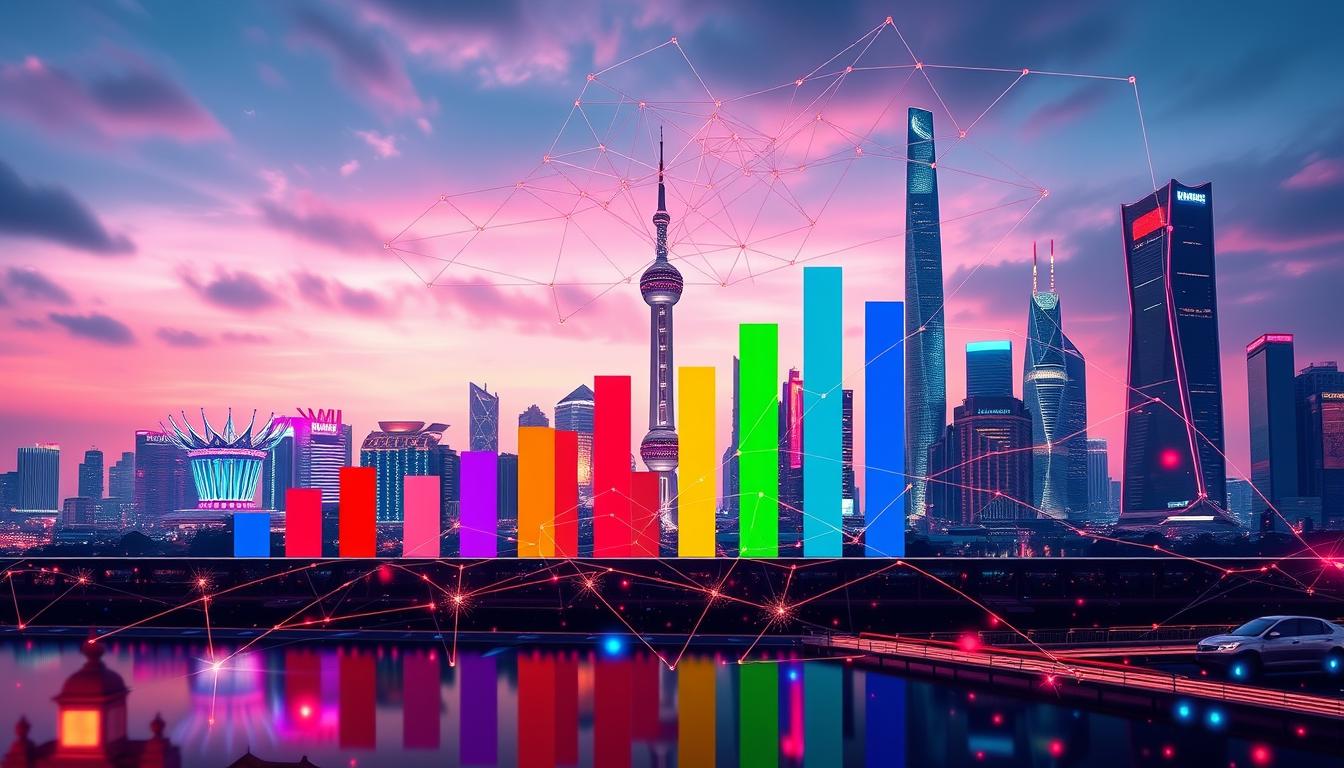
Imagine 743 million players suddenly stopping their games. China’s video game world, worth $175 billion, is now under strict rules. It started with worries about too much screen time. Now, it’s a big deal with facial recognition and playtime limits.
Tencent’s Q2 2021 report shows only 2.6% of their money comes from gamers under 16. So why the midnight panic? “Midnight Patrol” software scans faces during late-night gaming. The Communist Youth League says 62.5% of youth are “addicted,” but their idea of addiction might be different.
This isn’t just about stopping kids from playing too much. China is making its digital world very strict. Imagine needing government ID to play Fortnite. They want to control a huge market where games could cause big problems.
Beijing is changing its digital world, and big tech companies are facing tough rules. The future of fun, control, and digital users is at stake. Ready player one?
Tightening Regulations: Kids & Content
China’s new rules on screen time are strict. When 700 million Weibo views erupted over new sports games restrictions last summer, it wasn’t just bureaucrats celebrating. Parents were over the moon, celebrating like Taylor Swift fans at a surprise album drop.
Imagine Fortnite’s storm circle shrinking to 60 weekly minutes. That’s what 110 million Honor of Kings players face. VPNs became the new cheat codes. Teens now plan homework sessions like esports pros, while Tencent’s facial recognition tech tracks screen time like a TikTok dance trend.
Rutgers University’s study showed “60 minutes = math grades dropping faster than concert ticketsales”. This gave regulators the evidence they needed. But here’s the twist: 72% of Shanghai parents secretly support the rules. One father joked: “Now, there’s digital parenting I can’t mess up.”
This isn’t just about controllers and curfews. It’s about flipping gaming obsession into academic success. I call it “the Great Firewall of Childhood.” The real victory? Watching kids conquer “final boss” in both games and calculus.
Impact on Publishers, Investors, and Sports Tournaments
Imagine waking up to find your billion-dollar playground suddenly has rulebook thicker than War and Peace. That’s where Chinese gaming titans are today. When regulators flexed their muscles last quarter, Tencent’s stock fell 5%. This erased $20 billion fast.
Shanghai-based manager Zhu Jingtong said it best: “We found out with everyone else at breakfast.” NetEase is scrambling to comply, like a corporate game of Twister. Analyst Daniel Ahmad believes this is just the start. He predicts a decade-long change for the entertainment sector.
Tournament organizers now face strict oversight. Sponsorship deals are uncertain, like Overwatch characters waiting to respawn. As the global esports arena evolves, investors are unsure. Is this a glitch or a reboot?
What’s clear is that money talks, but policy walks. Tencent is working on compliance, while smaller studios face challenges. This isn’t just about loot boxes. It’s a test for digital economies worldwide.
Case Studies: Winners and Losers
Imagine a digital world where some thrive and others disappear fast. It’s like Fortnite skins adapting to trends, while others vanish like Flappy Bird from screens. You’re either keeping up with digital changes or getting left behind.
Now, let’s look at the winners. Facial recognition tech is booming, like Call of Duty pros dominating a game. It’s used in systems that track how much time you spend playing sports games.
On the other hand, miHoYo’s Genshin Impact quickly changed its game to fit China’s huge digital market share. They turned loot boxes into “educational packs.”
The losers, though, are getting crushed. Indie game developers are struggling, like Mario Kart players hit by blue shells. One Shanghai developer went bankrupt after their game was seen as too risky by the Party Algorithm.
Also, 90% of parents say teens act like they’re in PUBG. One teen even tried to jump from his balcony, which the WHO called a gaming disorder.
This isn’t just about winning games. It’s about survival in a world where rules change fast, like in Among Us. The big question is, are we all just playing a game in Beijing’s cultural sandbox?
Global Ripples
When Seoul tried banning teen gaming after midnight in 2011, critics called it “parenting by legislation.” Fast-forward to California’s loot box showdowns and China’s gaming curfews – suddenly, everyone’s playing regulatory whack-a-mole. But here’s the twist: Beijing’s crackdowns aren’t just domestic drama. They’re exporting cultural policy faster than Tencent acquires gaming studios.
Xi Jinping’s common prosperity doctrine now haunts boardrooms from Irvine to Stockholm. When China limited playtime for minors in 2021 (citing those eyebrow-raising 72% teen myopia rates), Steam’s grey market for international accounts exploded like a Battle Royale loot drop. Blizzard’s Diablo Immortal cash grab? Let’s just say it made geopolitical chess games look subtle by comparison.
Silicon Valley’s response? A curious mix of eSports investment frenzy and legislative déjà vu. US lawmakers now debate age gates and virtual currencies with Beijing-style zeal – minus the Great Firewall. But when Tencent quietly funds 40% of the global gaming ecosystem, who’s really shaping the rules?
The real question isn’t if regulations will cross borders, but whose cultural norms get baked into the code. As Eastern and Western playbooks collide, one thing’s clear: in this high-stakes game of digital diplomacy, nobody’s hitting the pause button.
Level Complete? China’s Gaming Industry Faces Its Ultimate Boss Fight
China’s gaming world is like a never-ending dungeon. Every new rule changes the game. With 110 million underage players, it’s hard to keep up with the rules.
Tencent has a huge $13B budget for research and development. But for students like Steven Jiang, it’s all about passing exams. They face the same challenges as big companies.
In 2000, China banned consoles, making PC gaming huge. Now, new rules might lead to the same thing happening again. Xi Jinping’s push for Marxism adds a new level of challenge for game makers.
Can game studios survive and adapt to these changes? It’s all about finding a balance between cultural values and the $45B gaming industry.
Regulations have created strange alliances. Anti-addiction experts and Tencent are working together. They’re turning games like Honor of Kings into learning tools. Investors are excited about VR military training games.
This isn’t just a small change. It’s a complete overhaul of the gaming world. It’s like Candy Crush meets politics.
As the industry prepares for Q3 earnings, a big question remains. Can China’s gaming giants outsmart the regulators? Or is this just a game of survival? Stay ready for the next update.