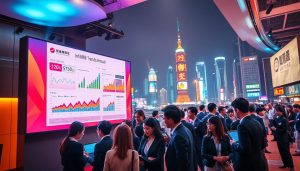
Imagine a Shanghai stock trader watching 4K gaming tournaments. At the same time, a Guizhou farmer waits 38 seconds for a weather forecast. Same country, different planets. China’s tech world has two sides – one shining bright with 5G, the other struggling with 3G in rural areas.
The World Bank reveals harsh truths. Rural broadband costs devour 33% of monthly incomes in some places. That’s like spending $650 a month on WiFi in Mississippi. Urban areas, on the other hand, enjoy fast Douyin streams.
That $2/day smartphone is more than just a device. It’s a 14% annual income sacrifice for many. This creates a digital divide where your WeChat balance decides your online status. 20x mobile traffic gaps between areas block access to education, healthcare, and money.
Why does Beijing’s “Made in China 2025” plan look like a Shanghai subway map? Rural areas need their own Alibaba cloud servers for a complete tech revolution. The real issue isn’t just bandwidth. It’s whether China’s digital future includes both city dreams and rural realities.
Urban vs. Rural Tech Habits
Imagine scrolling through Douyin in Shanghai’s glittering Pudong district versus haggling over pig prices via livestream in Guangxi. China’s tech landscape isn’t just split—it’s living in parallel universes. With 940 million internet users (40% students clocking >5hrs daily, per CNNIC 2020), this isn’t just a digital divide. It’s a full-blown Schrödinger’s internet where rural and urban realities coexist without ever touching.
The Great Firewall of Consumption
City slickers treat apps like personal butlers: facial-recognition Starbucks orders, Meituan delivery drones dropping hotpot. In contrast, villagers use TikTok as an agricultural Nasdaq. I’ve seen farmers in Anhui auction persimmons using hashtag battles—#FruitRevolution outperforming K-pop dance challenges.
Urban China’s obsession with Xiaohongshu’s curated #VanLife fantasies feels quaint compared to rural netizens building entire e-commerce empires. Take “Taobao Villages”—communities where 10%+ households run online stores. These aren’t mom-and-pop shops; they’re Alibaba-powered cooperatives moving $20M+ annually. Who needs Instagram influencers when you’ve got cabbage connoisseurs?
From Douyin Farmers to Meituan Princesses
The real plot twist? Farm livestreams now outsell urban beauty tutorials 3-to-1. Last spring, a Yunnan mushroom seller went viral mid-broadcast when a wild boar photobombed her feed. She moved 8,000lbs of morels before lunch. Shanghai’s “Meituan Princesses” drop $300/week on pastel-colored smoothie bowls—delivered via app, naturally.
Rural creators aren’t just surviving the China tech regions gap—they’re rewriting the rules. When Henan grape growers started using Douyin’s AR filters to make their vineyards look like Hogwarts, urban millennials suddenly cared about soil pH levels. The lesson? Never underestimate a farmer with 4G and a grudge against middlemen.
E-Commerce, Sports Streaming, Social Media Differences
China’s digital world is more than just a map. It’s a cultural battleground where what app you use shows your social status. With 83.93% of young people in China using social media (China Youth Network, 2019), your phone screen is like a class ID card. Let’s look at how basketball and shopping apps show this divide.

The Basketball Diplomacy Divide
When Tencent lost NBA streaming rights in 2019, Shanghai tech fans were upset. But in rural areas, people were busy with Douyin’s #BasketballChallenge dance. Urban fans stream games and enjoy ¥45 lattes, while rural fans bet on village tournaments with plywood backboards.
Pinduoduo vs. JD.com: Class Warfare Apps
China’s retail world is a battle between two giants:
| Pinduoduo | JD.com | |
|---|---|---|
| User Base | Rural bargain hunters | Urban elites |
| Signature Move | Group buys (10 eggs + free socks) | Same-day iPhone delivery |
| Pricing Strategy | “How low can you go?” | “How much can you flex?” |
Pinduoduo’s “team purchase” model is like a peasant revolt against high prices. JD.com offers robotic delivery dogs for Beijing’s rich. WeChat Moments shows factory workers with Pinduoduo buys and bosses with JD.com cheeses. It’s a unique mix of capitalism and digital precision.
The App Ecosystem
China’s digital world is like a medieval kingdom. It has walled cities, peasant uprisings, and rulers who control algorithms. Our data shows that app choice is more about where you live than what you like. Let’s explore this digital world.
WeChat’s Digital Feudalism
Tencent’s WeChat is not just a popular app in China. It’s the only smartphone for 91% of rural users. Alipay has a smaller reach outside cities. This shows how WeChat acts like a digital empire.
WeChat has mini-programs that keep users trapped. It uses payment systems as identity cards. And it has social credit scores that look like loyalty programs. It’s like a digital Great Wall that investors love but users hate.
Bytedance’s Algorithmic Mandate
Douyin shows different things to different people. Factory workers see dance challenges, while bankers get stock tips. This is because of regional policies that control what content is shown.
Bytedance’s AI doesn’t just suggest videos. It creates digital castes. It knows your job better than your mom. It’s like having a personal propagandist in your pocket, working for the Ministry of Truth.
Local Regulation & Opportunities
China’s digital world is like a book where your location changes everything. Depending on where you are, you might see new tech or face strict rules. This mix of rules creates both challenges and unique chances.
The VPN Crackdown Paradox

In Beijing, banning VPNs made things more confusing. In rural areas, people face fines for using the internet. But in Shenzhen, tech leaders can use VPNs to share new ideas.
The World Bank suggested better digital plans, but they’re ignored. This leads to:
- Xinjiang selling facial recognition tech to other countries
- Shanghai bankers using approved VPNs to influence crypto
- Guangdong factories hiding TikTok in robots
Special Economic Zones 2.0
In Zhejiang, a new way to report government issues went wrong. People used apps to criticize officials, leading to a standoff. Now, there’s a battle between:
| Region | Tech Experiment | Unintended Consequence |
|---|---|---|
| Shenzhen | Blockchain land deeds | Farmers mining Ethereum |
| Xinjiang | Surveillance tech exports | Neighbors reporting each other for social credits |
| Zhejiang | Digital complaint portals | Mayors getting 1-star Yelp reviews |
In rural areas, the social credit system is very strange. People might lose train tickets for something their cousin did. But this weirdness also leads to new ideas. Like rice farmers accepting Bitcoin and officials tracking it for livestock.
Market Implications
China’s tech scene is not just split – it’s creating big economic gaps. These gaps could change how markets work worldwide. Let’s look at two big changes that are rewriting the rules.
The TikTok Brain Drain
Urban China loves short videos, leading to a digital labor exodus. Why work for Tencent when you can make ¥50,000/month in Shanghai cafes? This talent move makes sense:
- Alibaba’s “Rural Taobao” failed because farmers want tractors, not TikTok shops.
- JD.com’s delivery drones sit idle in Shenzhen warehouses.
- Meituan’s bike-sharing sites are now actual tourist spots.
While Western experts focus on Beijing’s AI labs, Huawei is quietly building a 5G empire. Their 5G map looks like a modern Journey to the West:
| Region | Towers Installed | Active Users |
|---|---|---|
| Industrial Zones | 18,000 | 92% utilization |
| Rural Villages | 4,200 | 17% utilization |
The HBR Digital Evolution Index shows a harsh truth: factory robots create 30x more data value than rice farmers. Yet, investors keep betting on “the next billion users”. Here’s a tip: if your target market uses ¥399 Android phones, think twice about your premium plans.
Conclusion
China’s digital divide is huge, like the Grand Canyon with no Wi-Fi. City folks enjoy 5G luxury, while rural areas struggle with data. The World Bank’s digital tracking seems empty when cities get more attention than countryside.
The Digital Long March
Mao brought electricity to villages, but today’s efforts are slow. “Common prosperity” sounds good, but it’s hard to reach rural areas. Installing cables won’t teach farmers to livestream or grandmas to code.
Canada has a $50 billion broadband problem. China’s issue is censored routers and TikTok favoring city folks. Read more about it here.
When Will Villages Stream in 8K?
Beijing wants 8K streaming for everyone by 2035. But, speeds in Hebei are slow, like dial-up. The real issue is whether China is creating separate internets for different classes.
Urban elites enjoy WeChat, while factory workers face VPN issues. Farmers get old fax machines. Mao united villages with red flags. Xi’s tech push might split them with slow internet.