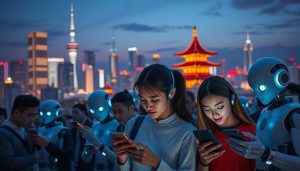
Imagine if “brothel-free” was about FIFA mods with secret codewords, not just about being virtuous. Welcome to China’s gaming underground, where phrases like “CCSTV Spring Festival Gala” are used to mock state media. They also hide bootleg Mario Kart tournaments. It’s not just gamer slang; it’s a form of survival poetry.
Shanzhai culture is all about rebellious mimicry, turning compliance into comedy. Remember Obama Phones? Those knockoff devices were more than just tech piracy. They were a form of political satire, a middle finger to IP laws, wrapped in pop culture references. Today’s codewords work the same way: they’re inside jokes that outsmart algorithms and copyright enforcers.
The 2008 MediaTek chip revolution boosted this creativity. Suddenly, grassroots engineers could create their own smartphones and gaming consoles. This DIY ethos thrives on linguistic subterfuge. It’s like the Water Margin rebels, but with modded controllers instead of swords.
Why call it “brothel-free”? Saying “FIFA 23 with uncensored kits” risks getting deleted. These phrases are more than passwords; they’re cultural collateral in a game of cat-and-mouse. Humor disarms scrutiny, leading to a thriving ecosystem where creativity flourishes. But you have to know the right words to whisper.
How and Why Gamers Use Codewords
Imagine trying to sell bootleg champagne in a police station. You wouldn’t call it “stolen bubbly.” Instead, you’d say it’s “sparkling celebration juice.” Chinese gamers are experts at this, renaming piracy with creative names that would impress Orwell.
The Linguistics of Evasion
This isn’t just about avoiding censorship bots. It’s a cultural battle. The same creativity that made Goophone i5 devices famous is now used in gaming’s secret language. Here are some examples:
- “Basketball Experience 2024” (NBA 2K24 pirated edition)
- “Forbidden City Simulator” (cracked Assassin’s Creed Chronicles: China)
- “Dragon Training Camp” (unofficial Monster Hunter expansion)
These names don’t just hide; they entice. Like Shanzhai phone sellers, gamers turn legal issues into tempting offers. The evolution is clear:
| Stage | Terminology | Real-World Parallel |
|---|---|---|
| Survival | “Patched version” | Early Shanzhai feature phones |
| Camouflage | “Special edition” | Goophone i5 with iOS skin |
| Culturalization | “Red Palace Adventure” | Phones with Mao Zedong theme packs |
Today, pirate lingo is like crowdsourced poetry. When Tencent blocks “unauthorized FIFA mods,” forums rename them as “Soccer Dream Builders.” It’s a clever way to use China’s symbols to get around rules.
The magic is that these names become part of gamer culture. What starts as a survival tactic becomes a sign of pride, like trading bootleg cassettes in the 80s. The question is, will the next set of codenames be even more creative?
Sports Games and Market Demand
Imagine a Shanghai warehouse where Lionel Messi plays against a pixelated Mao Zedong in a fake FIFA game. This isn’t just a story—it’s what happens every Tuesday night in China’s secret gaming world. EA Sports pays millions for player likenesses, but pirated sports games use “cultural Photoshop” to change the game rules quickly.

The FIFA Underground Economy
China’s $150M shadow sports gaming market is huge, dwarfing the NFL’s earnings. Here’s how it works:
- Shanzhai 2.0: Remember when fake phones were 20% of global 2G sales? Today, modders swap Cristiano Ronaldo with communist icons in fake FIFA games.
- Blockchain Bicycle Couriers: Distributors use secret networks, like something from a cyberpunk story – think Torrent meets Taobao.
- License Fee Dodgeball: While EA pays $1B for Premier League rights, underground devs focus on creative historical twists.
A recent study on China’s gaming sector shows a surprising fact. These pirated sports games often include more local culture than official games. It’s not just theft—it’s adapting to the market.
Why take the risk of legal trouble? The answer is simple: 73% of Chinese gamers under 25 love modded sports games. They’re not just avoiding paywalls; they’re creating their own worlds where politics and sports mix. When the government moves one way, the underground goes the other—often with a clever trick.
Cat-and-Mouse with Regulators
China’s digital market is a battleground. Pirate game sellers and copyright enforcers are in a constant fight. Sellers often disappear into VPN tunnels and encrypted chat groups, making it hard to catch them.
The Great Firewall of Copyright
Tencent’s anti-piracy AI is like a digital Shaolin monk. But sellers keep finding new ways to evade it. The 2018 E-Commerce Law made platforms check content, but sellers found ways to hide.
- WeChat mini-programs that self-destruct after transactions
- Taobao listings disguised as “game strategy consultations”
- Pinduoduo group buys hidden behind baby formula promotions
This fight has created a hidden economy worth $2.3 billion in 2022. Platforms must balance strict rules and avoid government anger.
Platform Liability Shifts
The 2019 Qingfeng tissue paper lawsuit changed the rules. Courts now say platforms must monitor content closely.
| Before 2018 | After E-Commerce Law |
|---|---|
| Platforms as passive hosts | Mandatory content monitoring |
| $500 fines common | Fines up to $300,000 per violation |
This change made digital markets risky. JD.com uses blockchain for tracking, and Douyin flags suspicious content quickly. But for every site shut down, three more appear using new tricks.
- AR-powered virtual business cards
- Encrypted livestream sales events
- AI-generated placeholder product images
VPN providers and coding schools are making money from this fight. One WeChat seller said: “Our sites are short-lived, but demand is always there.”
Risks and Repercussions
That fake Genshin Impact skin might seem okay, but in China’s digital world, it can hurt your social score. The CCP’s Qing Lang campaign is like a digital cleanup. It turns piracy in China into a game of catch.
Remember when fans of Youth With You 3 dumped milk to support their favorites? That chaos is what digital goods can cause.

From Account Bans to Legal Hot Water
China’s crackdown isn’t just about deleting your Steam library. It’s about:
- Digital exile: Being banned from payment systems like Alipay
- Social credit penalties: Trouble booking high-speed trains
- Legal time bombs: A $5 FIFA mod could lead to $15,000 fines
The 2021 milk-dumping scandal showed how fast hidden online sales networks can fall apart. When regulators raided fan clubs, Weibo accounts disappeared. This is what gaming’s gray market faces.
| Piracy Tier | Typical Punishment | Real-World Impact |
|---|---|---|
| Casual Modder | Account suspension | Lose game progress |
| Underground Seller | Fines + device confiscation | Banned from e-commerce |
| Shanzhai Empire | Criminal charges | Social credit blacklist |
Goophone, Apple’s fake version, learned the hard way. Their iPhone clones once filled Shenzhen markets. Now, their factories are museum pieces. Modern regulators don’t just shut you down; they erase your digital footprint.
Would You Try It?
Imagine you’re browsing Taobao at 2 a.m. with a caffeine buzz. Suddenly, a listing catches your eye—“Special Edition Animal Crossing: Political Commissar Version.” Is it a bold statement against the system? A digital trap? Or just a normal Tuesday night in China’s gaming world?
The Moral Calculus of Piracy
Let’s think this through like Kant at a LAN party. If you mod your Switch for this “brothel-free” special, are you:
- A digital Robin Hood taking from Nintendo?
- A pawn in a game of cat and mouse with Western laws?
- Just really into raccoon mayors in Mao suits?
The 2019 Hangzhou Internet Court rulings show Beijing’s tough stance. They fined piracy networks $6.7 million. Yet, demand for these games keeps growing. Why? Because when Steam charges $60 for games, and the average monthly wage is $1,200, it seems fair.
Now, let’s look at different views:
- Utilitarian View: The best for most gamers
- Confucian Ethics: Respect for IP rules
- Deng Xiaoping Pragmatism: It doesn’t matter if it’s pirated or licensed
Your choice is more than personal—it’s political. Buying that Taobao special edition is a bold statement against China’s tech crackdown. But is it worth facing legal trouble when regulators come?
Here’s the final question: If piracy is the only way to play, is your Switch a console or a protest sign?
Conclusion
China’s gaming underground is like a digital marketplace. It’s a shadow economy where secret codes unlock and declare. From “brothel-free” FIFA mods to blockchain bootlegs, these codes show more than tech skill.
They are cultural defenses against the Great Firewall. They adapt faster than Tencent’s corporate moves.
Byung-Chul Han’s view on shanzhai innovation fits here. What the West sees as piracy is grassroots R&D. It’s a place where players push content limits like cheat codes.
The real surprise? These secret codes often forecast mainstream trends. Yesterday’s FIFA hacks became today’s EA Sports microtransactions.
Regulators face a tough challenge. For every banned Steam alternative, three blockchain clones pop up. They use Maoist language as digital cover.
The risk/reward balance is skewed. $2 modded accounts can outplay $70 official games. It’s not just theft – it’s survival in a digital world.
As we close this virtual arcade, a truth shines through: In China’s gaming underground, everyone plays many roles. Pirates become innovators. Players become activists.
And that “brothel-free” mod? It might be the start of gaming’s next big change. The game’s final score is unknown, but the high score table is ready for your name.