
Imagine your phone telling on you before you even tell Google Maps where you’re going. Shanghai resident Tian Li didn’t have to imagine this. After talking about her mom’s arthritis, Taobao showed her lots of “senior-friendly” knee braces. Her smartphone had become a digital snitch, sharing her family’s health secrets with China’s algorithmic overlords.
This isn’t just a story—it’s our reality in 2023. When DiDi, a big ride-hailing company, got fined $1.2 billion last July, it was more than just a fine. Beijing showed us how they control the data rush, where your late-night food delivery orders are more valuable than oil. Xi Jinping’s “data as oil” saying is not just a figure of speech—it’s policy.
Why does Beijing care if your phone knows you’re craving dumplings? Because in China’s digital world, every scroll and swipe helps surveillance states and stock markets. The Communist Party isn’t just watching you—it’s making money off your digital tracks while tightening its control. This shows a scary truth: your data isn’t yours, but everyone wants a piece.
From Tian’s targeted ads to DiDi’s big fine, we’re uncovering China’s data problem. It’s like 1984 meets Wolf of Wall Street, and your smartphone is the main character.
Regulatory Push, Legal Cases
China’s digital world is like a high-stakes arcade game. Regulators use Cybersecurity Law like a sledgehammer. Tech giants pop up like moles on caffeine. The rules? No cheat codes allowed.
This regulatory crackdown is not random. It’s a four-pronged assault, says analyst Kendra Schaefer. She breaks it down into four main areas:
| Category | Target | Recent Casualty |
|---|---|---|
| FinTech | Digital payment systems | Ant Group’s $37B IPO freeze |
| Antitrust | Market dominance | Tencent’s $5B fine |
| Listings | Overseas IPOs | DiDi’s 80% stock plunge |
| Data Laws | User privacy | WeChat Pay’s compliance overhaul |
The fintech sector took a hit when DiDi’s New York listing went wrong. It was like regulators pulled the emergency brake and set the car on fire. Now, SAMR and CSRC work together, combining antitrust probes with data audits.
Tencent should care because 17 agencies audit their code like overzealous English teachers. Their $5B antitrust settlement was more than a fine. It was a behavioral GPS tracker for their business model.
This isn’t just bureaucracy. It’s regulatory jiu-jitsu with four key moves:
- Algorithm transparency mandates
- Cross-platform data sharing bans
- Real-name verification requirements
- API access restrictions
Now, tech firms spend more on compliance than on snacks. For users, it’s like watching their favorite app get grounded. There’s less data candy, but maybe fewer privacy monsters under the bed.
Sports, Health, Payment Apps in Focus
Your morning jog could be someone else’s payday—welcome to the data gold rush hidden in your fitness tracker. While you’re chasing personal bests, health apps and sports platforms are chasing profit margins. They turn biometric data into a shadow currency. Remember when we thought COVID-era “health codes” were just digital hall passes? Turns out they doubled as surveillance blueprints.

During lockdowns, quarantine hotels weaponized app data to track movements. They created a “pandemic Panopticon” where your step count could determine your freedom. One leak exposed how a popular running app sold users’ GPS patterns to advertisers.
Sports platforms became brazen. A Chinese soccer app allegedly packaged players’ heart rate stats and location histories, selling them to insurance firms. Your weekend match performance? Now actuarial tables’ newest variable. Fitness trackers aren’t just counting steps—they’re mapping lifestyles, sleep patterns, even stress levels, creating biometric portfolios more detailed than your LinkedIn profile.
Payment apps joined the party too, blending fitness data with spending habits. Imagine a scenario where your gym app notices skipped workouts and “helpfully” shares this data with your health insurer. Suddenly, that Peloton subscription isn’t just burning calories—it’s burning holes in your wallet through adjusted premiums.
This isn’t dystopian fiction—it’s the reality of sports user data regulation gaps. When your treadmill time becomes a tradable asset, who’s guarding the vault? The answer, it seems, depends on which corporate entity can monetize your metabolic rate fastest.
User Impact, Brand Trust, App Store Strategy
China’s app privacy crackdown is more than just about data leaks. It shows how big tech turns loyalty programs into digital scams. For example, Trip.com’s recent court case showed hotel prices jumping 73% when checking from new devices. This led to 500,000 angry Weibo posts and a class-action lawsuit that’s changing how we interact online.
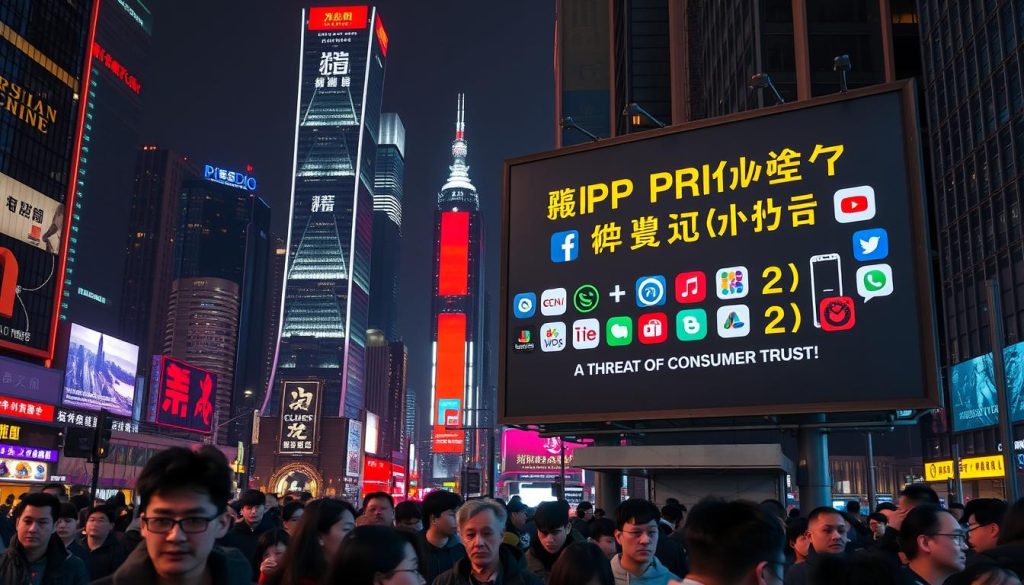
The numbers are shocking: 221 million users were exposed in 2023 data breaches. Now, 40% of shoppers feel like “human ATMs.” When Taobao doubles the price of yoga mats because you bought organic matcha, it’s not AI. It’s an abusive relationship with spreadsheets.
| Platform | Incident | User Sentiment Shift | Corporate Countermove |
|---|---|---|---|
| Trip.com | Dynamic pricing lawsuit | 67% trust decline | Price freeze guarantees |
| Alibaba | Personalized markup leaks | 81% feel exploited | Transparency dashboards |
| Tencent | Health data reselling | 58% deleted apps | Biometric login mandates |
Brands are acting fast, like K-pop fans at a BTS reunion. Alibaba now shows what personal data is used in their recommendations. JD.com has AI ethics auditors to watch algorithms. But with more disclaimers than a nuclear treaty, it’s time to rethink everything.
The big question is: Can these digital apologies fix the trust issues? With Gen Z using VPNs to hide their online tracks, the solution might cause more harm. Next time your fitness app suggests extra sit-ups, ask if it’s health advice or data-driven shaming.
What Next for Compliance Globally?
When Beijing sneezes, does the global tech sector catch a cold? China’s data governance is changing fast. Xi Jinping’s “three data laws” are becoming a global model. This could change privacy rules worldwide.
The EU’s GDPR now faces a new rival. This clash of titans is interesting:
| GDPR | China’s Data Security Laws | |
|---|---|---|
| Core Focus | Individual privacy rights | State data sovereignty |
| Penalty Philosophy | 4% of global revenue | 5% of annual income + operational bans |
| Enforcement Style | Gradual escalation | Immediate app takedowns |
The real fear in Silicon Valley is the regulatory crackdown effect. China’s Cyberspace Administration fined a ride-hailing giant $1.2B last year. This story is now a global lesson in data laws.
Dr. Lina Schaefer’s “data triage” theory explains this shift well. Nations are choosing between privacy shields (like GDPR) and data fortresses (China’s model). The fight is in emerging markets where 5G is growing faster than laws.
Three key developments need attention:
- Brazil’s LGPD adopting CAC-style data localization rules
- India’s proposed Personal Data Protection Bill mirroring Chinese cross-border data flow restrictions
- African Union nations implementing hybrid GDPR-China compliance models
For businesses navigating the global data privacy maze, the new reality demands dual compliance strategies. It’s not just about avoiding mistakes. Companies must understand Xi’s data doctrine and keep Brussels happy.
The big question: Will 2024 see the first $10B cross-jurisdictional data penalty? With China’s model gaining traction, that bet’s safer than a TikTok dance challenge going viral.
Conclusion
China’s app privacy crackdown shows a harsh truth: our personal data is not just ours. It’s like crude oil for Xi Jinping’s $45.5 trillion digital economy. Every fitness tracker heartbeat and Didi ride history is turned into valuable data.
This isn’t about keeping users safe. It’s about controlling everything in a world where Tencent’s WeChat knows more than the Ministry of Public Security. When Beijing fines Alibaba or removes Douyin from app stores, they’re just getting more data.
The big question is: Who owns our digital shadows? As Western regulators try to follow China’s lead, Web3’s promise of user control seems like a hope or a secret plan. Imagine your morning jog routes being used as currency in a future world.
One thing is clear: the fight for app privacy in China has changed the game. Tech giants must choose between giving up data control to local authorities or losing their apps. Users are just workers, whether in Shenzhen or Texas.