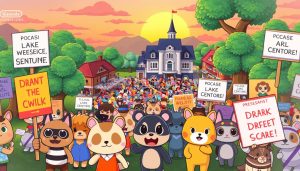
Imagine an American YouTuber eating street food in Beijing and a $1,200 Labubu figurine selling out fast. This mix creates China’s new way of sharing culture, blending TikTok and the Silk Road.
IShowSpeed went on an unplanned tour in Shanghai markets, getting 38 million views without speaking Mandarin. Pop Mart’s blind box toys became a $7 billion hit, showing China loves quirky, colorful items.
These aren’t just random events. They show how Western humor and China’s fast content system work together. The key is being real and quirky, not polished. Cultural exchange now happens live, not at fancy dinners.
We’re seeing a new way of sharing culture, mixing Chinese wisdom with digital chaos. The Great Firewall is actually helping build bridges, one funny meme at a time. Are you ready to understand how digital diplomacy works?
The Stranger Things Shirt Phenomenon
Marx never imagined this: The “opium of the people” now comes in $100 mystery boxes. While Netflix’s Hawkins crew fights monsters, Labubu figurines from Hong Kong are taking over American homes and TikTok. These figurines come with rainbow fur and detachable horns, unlike any red flags.
Pop Mart’s vinyl revolution shows China’s moved beyond making Hello Kitty knockoffs. Their blind box economy turns collectibles into emotional slot machines. Gen Z buyers often buy whole case sets to complete collections. When a Labubu “The Monster” statue sold for $138,000 at Christie’s, it was more than just vinyl.
Three things drive this Stranger Things China crossover:
- Nostalgia 2.0: Labubu’s look brings back 90s Tamagotchi memories with millennial money
- FOMO alchemy: 1:144 “hidden edition” ratios make $12 buys seem like investments
- Unboxing theater: 23 million Douyin videos turn opening boxes into art
The mystery isn’t what’s inside the box. It’s how China went from cultural importer to exporter of obsessions. Pop Mart’s Shanghai store sells 7,000 items daily. They make toys like streetwear, with limited editions and artist collaborations.
When you see a Labubu on someone’s Ikea shelf, think about this: It’s not just plastic. It’s soft power with anime eyes.
The Crossover: Fashion, Sports, and Online Hype
When a YouTuber does backflips on the Great Wall, it’s clear we’re in a new era. IShowSpeed’s viral clips, made on an iPhone, became China’s unofficial symbol. Shein then quickly made Olympic-themed hoodies, showing how fast fashion meets culture.

Shein’s strategy is simple: fast trends, influencer deals, and low prices. If one part fails, the whole thing should fall apart. But Gen Z keeps buying, turning fast fashion into a sport.
IShowSpeed’s Great Wall stunt got 78 million views, beating the Olympics. His “WOOOO!” moment overshadowed Beijing’s opening ceremony. It’s not just content; it’s geopolitical improv theater where sneakers win over suits.
The crossover effect is huge. Shein sold 40,000 ” ” (anti-gravity) tees after Speed’s stunt. Brands now look for collision points where:
- Sports become fashion runways
- Tourist attractions transform into viral stages
- Viewer attention spans dictate market value
Welcome to the new gold medal event: manufactured chaos. Athletes train for years; influencers need just 15 seconds. Nations spend decades on global images; TikTokers change them in minutes. Speed’s sneakers leave bigger marks than any official mascot.
Social Media Engines and Fan Energy
In China, fandom is more than a hobby—it’s a full-contact sport. Douyin’s “selfie auntie” became famous for her grocery-store poses, starting a dance challenge. Brother Jiang, a street vendor, became a meme titan with his goose-themed rap. These stories show China’s unique collective intelligence, where fans don’t just watch—they create.
Douyin and Xiaohongshu stand out because of democratized celebrity manufacturing. Unlike Western platforms, China’s netizens create stars quickly. They go from loving a grandma’s neon windbreaker to funding a rap album for a vegetable seller overnight. It’s like a mix of America’s Got Talent and Black Mirror, with huge viewership numbers.
| Platform | Star-Making Mechanism | Average Time to Virality |
|---|---|---|
| Douyin (TikTok) | Algorithmic roulette + meme recycling | 6-48 hours |
| Hashtag storms + fan armies | 12-72 hours | |
| Xiaohongshu | Aesthetic curation + niche communities | 3-7 days |
This isn’t just about views—it’s about speed. Brother Jiang’s goose rap hit 50 million plays fast. Chinese fandom turns random people into icons quickly.
The key is hyper-localized inside jokes that spread fast. When the selfie auntie’s dance became a meme, even blockchain fans joined in. It’s like turning daily life into digital gold through participation overload.
Brand Stories: Music, Sports, TV
When a pop song’s mistranslation causes a diplomatic issue, you know China’s viral media is full of surprises. Netflix’s KPop Demon Hunters became a meme sensation in China, even though it never aired there. This happened because of VPNs and Gen Z’s love for K-pop.
The show’s bright colors now decorate WeChat profiles across China. This shows that people want free content, even if the government doesn’t agree.

The “Sunshine Rainbow” song also caused a stir. Its lyrics were mistranslated, turning a love song into a political statement. State media called it “historical revisionism,” while TikTokers made memes with Winnie the Pooh.
This saxophone cover started dance challenges and even got the attention of embassy press conferences. Brands need to understand more than just culture to navigate this complex world.
China’s content world teaches us three important lessons:
- Accidental activism rules: Fan-made content can change a show’s meaning in ways creators can’t control
- Platforms are battlegrounds: Bilibili comment sections can be as intense as UN security council meetings
- Everything’s a metaphor: Even a K-drama’s basketball jersey can be seen as a commentary on global politics
China’s shāngyè jīngjì (fan economy) is the real MVP. Here, 14-year-olds study IP law between math homework. When a Netflix show becomes a trend through pirated clips sold as NFT fan art, you know you’re in a new world.
Navigating Regulation and Partnerships
China’s digital world is like a dance, where one wrong step can make your viral hit disappear. But what if government offices start leading the dance of internet trends?
The Shaolin Temple recently made headlines with monks doing MMA-inspired kung fu on Douyin (China’s TikTok). This ancient Buddhist place now works with livestream sites, turning spiritual acts into content to share. It’s like the Vatican starting a TikTok liturgy challenge, blending cultural preservation with influencer marketing.
Local governments are also getting creative. To promote thyroid checks, Chengdu officials didn’t just use flyers. They made #NeckCheckChallenge videos with influencers checking each other’s throats. This campaign went viral, showing that even health messages can trend with the right meme.
| Eastern Approach | Western Equivalent | Viral Mechanism |
|---|---|---|
| Shaolin Temple MMA streams | Louvre influencer collabs | Heritage sites as content stages |
| Chengdu health challenges | ALS Ice Bucket phenomenon | Social good as participatory content |
| Xi’an light shows | Times Square AR filters | Location-based digital spectacles |
Three key lessons for making viral content in regulated markets are:
- Cultural custodians are now collaborators: Temples/museums work with digital partners
- Policy shapes virality: Health campaigns use trending formats to reach people
- Authenticity requires paperwork: Even content that looks organic often has official approval
The magic happens when official creativity meets platform algorithms. Imagine the FTC making TikTok dances about consumer rights. That’s the level of unique partnership we see in China’s digital world.
The Future of Pop Going Global
Forget Parisian runways—Beijing’s streetwear revolution is changing the game. Western brands struggle to go viral, but China’s cultural leaders are ahead. Pop Mart, for example, has turned adult consumers into obsessive treasure hunters, disrupting the $7.4 billion luxury market.
China isn’t just exporting products—it’s using nostalgia as a weapon. While K-pop groups dance on TikTok, Chinese creators are turning Journey to the West characters into streetwear icons. It’s a clever move, using Western platforms to spread Eastern cool.
Three key shifts show China’s plan:
- State-backed “Chic China” initiatives fund avant-garde designers
- Douyin algorithms favor homegrown trends over imports
- Crossover collabs mix Peking Opera with sneaker culture
China is skipping traditional gatekeepers. Why wait for Vogue when you can turn livestream commerce into a $423 billion cultural showcase? American brands are trying to TikTokify their image, but Shanghai’s digital natives are creating trends that sweep Asian youth markets in hours.
This isn’t just copying—it’s creating something new. The next decade won’t be about China entering global pop culture. It’ll be about the world adapting to Beijing’s new definition of cool.
Conclusion
The IShowSpeed basketball jersey craze and Labubu’s plush toy mania show us something amazing. Viral content now flows through TikTok Shop, not just studio boardrooms. China’s digital bazaars have turned fandoms into fast-paced trading floors.
A Guangzhou factory’s bootleg Stranger Things tee can sell more than Netflix’s official merch. We’re seeing pop culture shift from red carpets to live-streamed markets.
Platforms like Douyin and Xiaohongshu turn Chongqing hotpot chefs into accidental ambassadors of Midwest emo. The braised goose salesman who loves K-pop isn’t rare. He’s the new norm.
Algorithms favor those who mix cultures in unique ways. They reward those who speak in inside jokes that connect Chengdu to Chicago.
Global brands must now connect with communities, not just countries. Nike teamed up with Chinese streetball influencers. Bilibili used anime for the Olympics, showing local taste beats corporate looks.
Survival means understanding why someone might love LeBron James, labradoodle memes, and revolutionary war dramas all at once. It’s not just about going viral in China. It’s about recognizing your content in a sea of inside jokes.
This isn’t just globalization 2.0. It’s pop universes colliding at Li Jiaqi’s livestream. The question is, will you recognize your content in the comment section?
The revolution won’t be televised. It’ll be unboxed, clipped, and soundtracked by AI-generated Guzheng covers of Olivia Rodrigo.