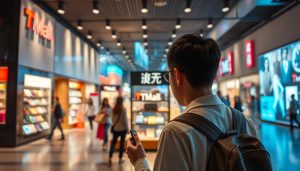
Imagine stepping off a curb in Shenzhen and hearing a Jurassic Park-style alarm blare as your face flashes on a 10-foot screen. This isn’t sci-fi fan fiction—it’s Monday morning rush hour in 2023. China’s urban centers have weaponized embarrassment, turning pedestrian mishaps into real-time morality plays backed by facial recognition algorithms sharper than a Party cadre’s side-eye.
Last year alone, over 13,900 jaywalkers learned the hard way that “big brother” now comes with LED billboards and brake-screeching sound effects. The system’s brutal efficiency would make Kafka nod in grim recognition: snap a photo, match your ID, broadcast your shame to commuters sipping oat milk lattes. All while state media chirps about an 80% public approval rating for these digital pillories.
But here’s the twist—this isn’t just about traffic control. These glowing scarlet letters feed into China’s social credit experiment, where every misstep becomes data points in your permanent reputation file. Forget cancel culture; this is algorithmic ostracism with municipal funding.
As I watched a grandmother’s pixelated guilt play on loop above a crosswalk, I couldn’t help wondering: When urban planning meets Black Mirror aesthetics, do we get safer streets… or just better-trained lab rats?
Introduction: From Cameras to Crowd Control
Remember when China’s biggest tech flex was pirated DVDs? Now, it’s building smart cities with more surveillance cameras than people, 8:1. With 176 million cameras watching, it’s more than just crime prevention. It’s social engineering in tech clothes.
The evolution is like a Black Mirror story. First, it was basic CCTV for pickpockets. Then, facial recognition at toilet paper dispensers (yes, really) to shame restroom visitors. Now, AI controls crowds, making Orwell’s telescreens seem old.
Alibaba’s “City Brain” platform handles more data daily than the U.S. Library of Congress. It’s a big leap.
But it gets even stranger. Unlike the West, China’s surveillance China grew with public support. A 2022 study found 68% of urban residents like camera-monitored parks for feeling safer. It’s like a mix of Stockholm Syndrome and Silicon Valley disruption.
| Era | Surveillance Tool | Social Function | Public Perception |
|---|---|---|---|
| 2000s | Basic CCTV | Crime Deterrence | “Big Brother is Watching” |
| 2010s | Facial Recognition | Behavior Tracking | “Convenient Safety Feature” |
| 2020s | AI Crowd Algorithms | Social Engineering | “Necessary Urban Upgrade” |
In 2023, Shenzhen’s traffic cameras don’t just ticket drivers. They also deduct social credit scores in real-time. The same systems track jaywalkers and predict protests before they happen. Citizens even thank apps for “keeping streets orderly,” like diners praising a restaurant.
This isn’t just about cameras. It’s about changing how cities work. When your commute includes four facial scans before the subway, privacy feels old. The real question is, “What’s next?” Maybe AI mayors? (Don’t laugh. Hangzhou is testing them.)
How Public Shaming Works in Practice
Imagine living in a world where every small mistake makes you famous. But the fame comes with social banishment and your face on city screens. This is China’s new way to change behavior, using public shaming tech that spreads fast and is hard to ignore.
The Jaywalker’s Digital Walk of Shame
In Shenzhen, crossing the street too soon is a big deal. AI cameras shout “Illegal crossing detected!” and show your face on screens. You also get texts about your mistake, often before you’ve even crossed the street.
- First offense: Facial recognition match + public alert
- Third strike: Notification sent to employer/work unit
- Chronic violators: Social media exposure featuring “uncivilized behavior” hashtags
Children who cross illegally get extra attention. Their school uniforms send alerts to parents and teachers. A Shanghai mom joked, “Now I know my kid’s location before he texts ‘OMW home’.”
Stadium Crowd Control: Applause Lights vs. Arrest Alerts
At big sports events, new systems control the crowd. They use technology that’s more advanced than anything Taylor Swift uses. There are two main systems:
| System | Tactic | Effect |
|---|---|---|
| HarmonyWave | LED seat lights synced to “approved” cheers | 75% reduction in unauthorized chants |
| CitizenAlert | Real-time facial scanning for “agitation markers” | Preemptive security interventions |
This tech makes crowds behave like swimmers in sync. At the Asian Games last year, over 200 people got warnings before security even came to them. It’s a mix of crowd control and psychology, with a hint of sci-fi.
A Beijing stadium designer said, “We’re not punishing people – we’re teaching them to cheer right.” The mix of order and control is quite striking.
Facial Recognition and Digital Alerts (Use in Stadiums & Large Gatherings)
Beijing’s stadiums are like a Black Mirror scene come to life. What started as top-notch security has turned into a dystopian control system. It scans crowds with precision and rewards good behavior with toilet paper. Let’s explore how facial recognition went from VIP protection to a tool for social control.

The Minority Report Comes to Beijing
In 2018, Zhengzhou police introduced facial recognition sunglasses that could identify people in 0.3 seconds. Now, this tech handles three tasks at once at big sports events:
- Tracking ticket scalpers through gait analysis
- Flagging “overenthusiastic” fans via micro-expression scans
- Directing bathroom traffic using Alibaba’s TPOS (Toilet Paper Optimization System)
The 2019 database leak showed 6.8 million records, from activists to pickpockets. It showed how surveillance China sees stadiums as testing grounds. A programmer joked, “We’re beta-testing social control software with real stakes.”
From Olympic Security to Political Conformity
Beijing’s surveillance system is inspired by Disney’s MagicBand. But instead of improving ride times, it watches for ideological wrongdoings. Here’s how it evolved:
| Olympic Tech | Current Use | Upgrade |
|---|---|---|
| Biometric Ticketing (2008) | Concert Entry Scans | Linked to Social Credit Scores |
| Crowd Heat Maps (2022) | Protest Prediction Algorithms | 95% Accuracy Rate |
| Athlete Tracking Chips | Uyghur Population Monitoring | Mandatory Wearables |
Now, stadium tech does more than just keep people safe. It also checks for political correctness. A Beijing resident said, “Going to a soccer game feels like getting a visa, but the border guard is in your phone.”
Policy, Privacy, and Social Ethics Debate
Imagine a world where your coffee order is checked by AI. It also decides if you can get a subway pass. This is China’s smart city experiment. Here, debates on ethics are real, stored in facial recognition databases.
The line between keeping us safe and controlling us digitally is very thin. It’s like the privacy settings on a government app.
When “Social Credit” Means Social Control
China’s social credit system does more than just punish jaywalking. It changes how we live. Here are some examples:
- Transport bans block “untrustworthy” citizens from booking flights
- Dating apps show credit scores like Tinder bios
- Schools deny enrollment based on parents’ algorithmic reputations
Human Rights Watch’s Xinjiang reports show how this system targets minorities. It turns public shaming tech into a racial profiling tool. It’s like Black Mirror meets Kafka, with Wi-Fi.
The Algorithmic Judge and Executioner
Who needs courts when AI can judge us? Beijing’s systems punish us with scary efficiency:
| Violation | Traditional Penalty | Smart City Solution |
|---|---|---|
| Petty theft | Fine or community service | Automatic train ticket ban + public QR code shaming |
| Protest attendance | Police intervention | Preemptive facial recognition alerts to authorities |
| Debt default | Credit score impact | Real-time salary garnishment via digital wallets |
The worst part? No appeals. When AI is both judge and executioner, fairness is lost. As one Weibo user said: “Our social scores aren’t measuring trust—they’re manufacturing compliance.”
Effects on Public Behavior and Urban Planning
Imagine walking down a street where lampposts and benches report on you. Welcome to the smart city’s watchful eye. Urban planners use algorithms to shape spaces that observe and interpret our actions. This makes cities feel like chessboards for social control.
Pavement Politics: How Streets Learned to Snitch
Songdo City has “smart zones” with motion sensors and AI. These systems track people and adjust traffic lights to keep everyone moving. A 2023 study showed a 62% drop in jaywalking but a 300% increase in anxiety for the elderly. An urban designer noted, “We’re building cities for dashboards, not humans.”
Smart benches in Guangzhou alert authorities if someone stays too long. This boosts security but hurts those who like to stay out late. It turns public spaces into transactional zones where every pause is questioned.
| Traditional Urban Element | Smart City Counterpart | Behavioral Impact |
|---|---|---|
| Park benches | Pressure-sensitive “loiter detectors” | Reduces homeless occupancy |
| Street lamps | Facial recognition lighting systems | Discourages night-time socializing |
| Public squares | Crowd-density modulated Wi-Fi zones | Controls protest gatherings |
The Death of Spontaneous Urban Life
Remember the joy of impromptu concerts or chess games in parks? Smart cities are erasing these moments. Barcelona’s “playful districts” with AI control banned spontaneity to keep things “optimal.”
Urban traffic systems now focus on efficiency over chance encounters. Shanghai’s AI crosswalks punish quick movements with longer red lights. It’s like programming hesitation into our reflexes.
Yet, these systems can’t handle the complexity of human nature. A street vendor in Shenzhen outsmarted cameras with an umbrella dance. Even in the smartest cities, human ingenuity always finds a way.
Global Comparisons and Lessons Learned
While U.S. tech giants debate ethics, China’s surveillance state has spread worldwide. It’s sold as smart city kits to 63 countries. Imagine Black Mirror episodes with manuals and discounts. From Zimbabwe to Venezuela, China’s AI systems monitor streets, even with Uyghur-spotting algorithms.
Amazon’s 2022 deal with Dahua, a blacklisted Chinese firm, shows Silicon Valley’s involvement. This deal highlights the global surveillance complex.

Silicon Valley vs. Social Credit Valley
It’s a twist: America’s tech capital and China’s surveillance hub play the same game. Silicon Valley uses facial recognition for phones; Social Credit Valley for public shaming. U.S. cities debate banning facial scans, while China’s tech powers stadiums in Serbia and police states in Cambodia.
It’s like comparing a Swiss Army knife to a guillotine. Both cut, but only one has a moral guide.
China’s public shaming techis used in many places.
Exporting Digital Authoritarianism
China’s smart city exports are more than cameras. They’re exporting oppression. Venezuela tracks protesters with Chinese tech. Uganda harasses LGBTQ+ communities with it.
Amazon’s cloud hosting Dahua’s hardware blurs the line between innovation and complicity. The lesson? Digital authoritarianism spreads on 5G and trade agreements. Western cities adopting AI risk importing China’s model, trading freedom for safety.
So, will your local police check for democracy mode when they upgrade to “smart crime prevention”?
Public Perception—from Safety to Surveillance State
China’s youth see facial recognition as just another social media tool. State media says 80% like public shaming tech. But, Gen Z loves filming police for TikTok fame. It’s ironic that they want more cameras but hate influencers sharing too much.
The Stockholm Syndrome of Digital Citizenship
Li Wei, a 24-year-old from Shanghai, became famous for being shown on a subway screen for jaywalking. He said it made him more responsible and got him 50K followers. This shows a strange mix of feelings, what I call digital Stockholm Syndrome.
- Citizens defend surveillance China systems that fine them
- “Reformed offender” testimonials dominate state TV like reality shows
- Neighborhood WeChat groups shame litterers faster than algorithms
In China, digital natives see constant monitoring as normal. They don’t worry about street cameras when they’re live streaming their meals. The smart part of public shaming tech is how it’s presented.
- Violation alerts come as push notifications, like food delivery updates
- Fines show up in Alipay with memes and coupons
- Social credit demerits are talked about like bad Uber ratings
It’s not scary if it’s user-friendly. A Beijing college student said, “At least the government’s app doesn’t sell my data to advertisers.” Cool story, comrade.
Policy Recommendations, Checks, and Balances
Smart cities should not make people feel ashamed to use public transport. China’s cities are using public shaming tech more and more. We need to create digital rules that protect both new tech and human rights.
Rewriting the Digital Social Contract
Imagine if your city’s AI had terms you could talk about. Here’s what we think 21st-century civic tech should be:
- Algorithmic Miranda rights: “You have the right to remain unprofiled. Any facial scan can and will be used against you in the court of social credit.”
- Data expiration dates that make surveillance systems forget faster than a goldfish with ADHD
- Public review boards for AI training data – because legal scholars argue even machines need ethical babysitters
The Firewall of Civil Liberties
China’s social credit system is like something from Black Mirror. To stop smart cities from becoming scary places, we need to add some safety measures:
| Feature | EU GDPR Approach | China’s Current Model |
|---|---|---|
| Data Ownership | Citizens control personal information | State-owned digital footprints |
| Transparency | Mandatory breach notifications | Black-box algorithms |
| Accountability | Fines up to 4% of global revenue | Social scoring penalties |
The table shows how to avoid bad things happening in smart cities. We could teach people to understand data better. This way, they can use tech wisely, not just be watched by it.
Let’s remember: A city smart enough to track jaywalkers should also know when to ignore them. The future of cities depends on tech that respects people’s privacy and freedom.
Conclusion: Balancing Innovation, Safety, and Rights in the Smart City Era
Smart cities face a big challenge. They aim for efficiency but risk becoming too controlling. China’s 2020 goals show how facial recognition went from shaming jaywalkers to controlling crowds at big events. This shows how algorithms and cameras shape our behavior.
But what do we give up for safety and order? Stadiums use digital alerts to keep crowds safe. Yet, this also means we’re always being watched. Social credit systems could turn into a way for people to police themselves before the government even notices.
Western tech companies talk about privacy but sell tools to countries that don’t care. Silicon Valley’s fast pace meets China’s strict control. Both need to be careful. Imagine if Amazon Ring needed public approval or if Huawei’s tech had citizen-set expiration dates.
The real challenge isn’t just about technology. It’s about making cities that care. Can we program empathy into algorithms? Will facial recognition databases ever forget our late-night snacks? Cities need balance between order and chaos.
As cities get more high-tech, we must remember: every smart city plan is a statement. The real question is who decides the rules and if we’ll recognize ourselves in the reflections of technology.