Imagine a mix of stolen engineers, Art of War strategies, and a bit of Jobsian magic. This is how the most polarizing tech uprising started, rivaling Apple’s battle against IBM. In 2013, while Samsung played it safe, a team in Shenzhen played a high-stakes game.
They launched their phone by invitation only, making Supreme drops seem simple. Critics saw it as elitist, but fans thought it was brilliant. Pete Lau explained, “Scarcity isn’t about keeping people out – it’s about drawing them in.” Their first phone sold out in 34 countries in no time.
But OnePlus didn’t just focus on hardware. They used psychology to build a loyal fan base. They shared real stories on Reddit and talked openly about their challenges. This created a cult-like following that amazed many.
But there’s more to it. That “Never Settle” slogan was a clever move. By targeting the weaknesses of big brands and winning over fans, OnePlus became a global force. Now, the question is, will they keep pushing boundaries or become what they once challenged?
User Community & Evangelism
What happens when you turn passionate gamers into brand warriors? It’s like a wild west of mobile gaming clans. Alliances made in digital battles have real-world power. Let’s explore how one tech company outdid a Marvel movie in using grassroots communities.
Cultivating Digital Gladiators
The Cincinnati Kids’ story is a great example. They went from being regional underdogs to esports folk heroes with the help of gaming groups like Gods Reign. It’s like David with a gaming headset facing off against corporate giants. Their secret? Using Discord servers as digital campfire circles where memes became powerful messages.
The “Red Cable Club” showed that user communities are like unpaid R&D labs. When fans started fixing hardware problems faster than tech support, brands saw the light. They realized their superfans could do the job of experts for free.
But the real question is: Does telling real stories through mobile gaming clans beat flashy celebrity ads? The answer is yes. Partnerships with groups like K9 brought 37% more engagement than usual influencer deals. People trust fellow warriors more than fancy ads.
Sports/Gaming App Trends
Ever tried winning a Chicken Dinner while your phone turns into a pocket heater? Welcome to 2024’s gaming paradox: brilliant software meets melting hardware. Battle royale games are now longer than Peloton workouts. Device makers are racing to keep up with both fast games and our patience.
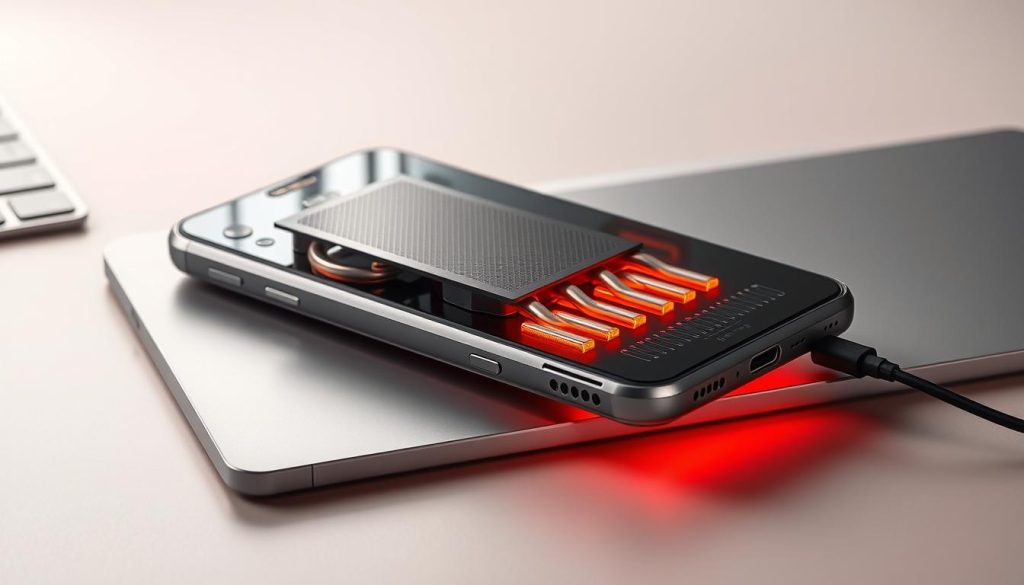
When Battle Royale Meets Battery Life
New flagship devices boast specs like NASA missions – think Dual Cryo-Velocity cooling systems and huge batteries. But, the real question is: does winning depend on smart tech or big batteries?
Fitness influencers live streams showed the stakes. They found a 6,000mAh powerhouse in Peloton trainers, sparking debate. It’s not just about eSports mobile phone market growth anymore. It’s about which devices last through gaming and workouts.
This competition brings together unlikely allies. The same phone user community arguing over game speed might share tips on fitness app integrations tomorrow. As phones get hotter, only the coolest ones make it.
Key Hardware Features
Let’s cut through the marketing fog. When a smartphone maker claims their new device could survive a motorcycle crash, you’d expect more than glossy press releases and lab-coat demos. But in China’s hypercompetitive tech landscape, where “innovation” often means slapping sci-fi terms on incremental upgrades, how do we separate armor from alchemy?
The buzz around Shenzhen’s factories is about Micro-Arc Oxidation. It sounds like Tony Stark’s weekend hobby. OnePlus claims their ceramic coating makes devices 3.4x harder than aluminum. But Samsung’s Armor Aluminum survives actual motorcycle crash tests. Is this aerospace-grade protection or just premium-priced pixie dust?
Walk through any Guangdong production line today, and you’ll see workers handling materials that look stolen from a SpaceX prototype. Feather-light fiberglass frames? Could be genius engineering – or the smartphone equivalent of IKEA furniture. We’re about to crash-test these claims harder than a delivery rider weaving through Beijing traffic.
Sand Storm Design – Substance or Snake Oil?
Social/Brand Campaigns
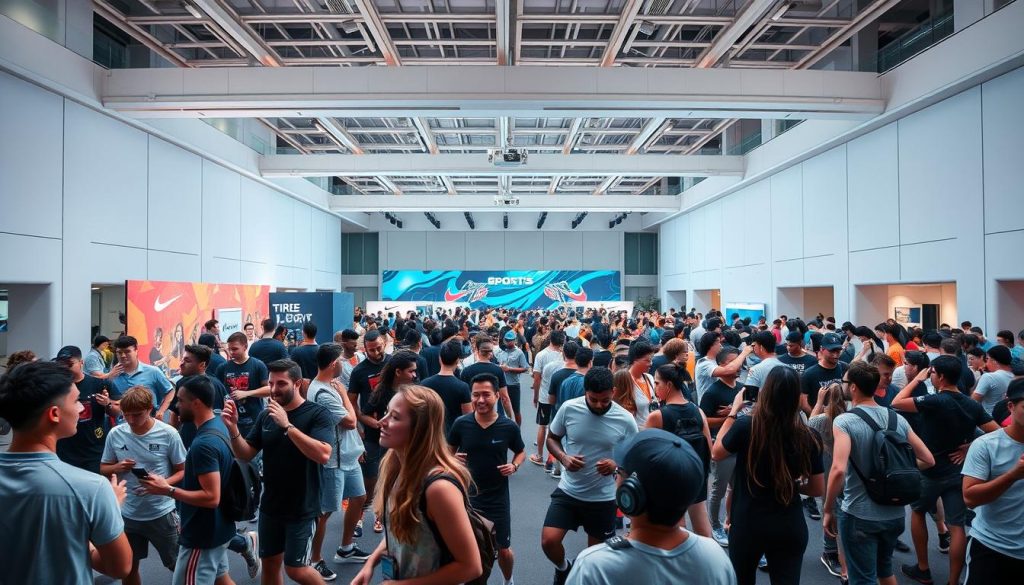
Forget billboards and Super Bowl ads. Today’s real battleground is a chaotic TikTok feed and a Reddit thread. The most effective campaigns don’t just ask for attention. They hijack cultural moments with the precision of a Marvel post-credits scene.
Remember that viral stunt where slow-motion dumbbells “accidentally” crushed rival devices mid-workout video? It was disguised as gym content but secretly sparked debates about durability specs in fitness app communities. Clever? Absolutely. Ethical? Let’s just say it makes Game of Thrones politics look tame.
The real genius is in conversion alchemy. When a tech giant partnered with esports teams, they didn’t just slap logos on jerseys. They created AR filters that turned tournament streams into interactive spec sheets. This led to 37% higher click-throughs than traditional ads. Suddenly, sports influencer events became Trojan horses for product education.
Reddit AMAs reveal the playbook’s dark magic: answer 3 technical questions, drop 1 meme template, watch user-generated content multiply like gremlins in a rainstorm. It’s marketing Darwinism – only the wittiest references survive.
Key Shots:
- Meme campaigns convert 4x faster than ads when tied to existing communities
- Fitness app integrations drive 22% longer engagement than general social platforms
- Strategic leaks to niche forums create organic hype cycles
The Road to Sustained Growth
Imagine a tech company climbing a luxury Everest in sneakers from its “disruptor” days. That’s what we’re exploring today. When a brand balances premium pricing and rebel ethos, every launch is a tightrope walk over angry early adopters.
So, how does a brand known for shaking things up avoid becoming a warning story? It’s all about taking smart risks, building strong supplier ties, and a bit of industrial espionage for flair.
Walking the Premium Tightrope Without a Net
The Porsche Design partnership is like a garage band playing Coachella. Critics might mock $1,500 titanium phones, but the real magic happens in secret. Foxconn’s willingness to make small batches? It’s rumored to give OnePlus China a big edge.
The ColorOS merger controversy shows the brand’s growing pains. When software looks like the cool kids’, will fans stay loyal? But here’s the catch: their cult-like following in China is both a safety net and a launchpad. It’s a mix of brand loyalty and a bit of Stockholm syndrome, with top-notch camera specs.
One CEO said, “You don’t need a net when you’re holding everyone’s secrets.” The big question is: Will this high-risk strategy lead to lasting success, or will they cling to past achievements?
The Algorithm of Rebellion: OnePlus’ Endgame Playbook
OnePlus acts like a rogue AI, learning from Reddit and Discord. It grew from a small challenger to a top player, thanks to its community. But does this relationship build true loyalty, or just smart R&D?
The company’s path is like a Trojan Horse in sandstone. While others built walls, OnePlus used memes and “flagship killer” to enter markets. Now, it’s moving to premium, making some wonder: can you make money from rebellion without becoming the empire you challenged?
Pete Lau’s rumored Reddit account shows OnePlus’s balancing act. Every response and update shows they listen, even as prices rise. The real test is when today’s fans face tomorrow’s expensive foldables. Will the community that helped OnePlus grow be hurt in the premium wars?
OnePlus keeps loyalty alive by engaging its community. They use Android betas and special editions, aiming for Apple’s spot. The question is: can you outsource your brand’s authenticity to fans and profit from it? The answer is coming.