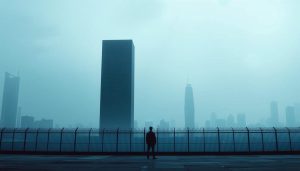
Imagine a nation where 400 million esports enthusiasts cheer stadium-sized battles… while government agents raid homes to confiscate gaming consoles. Welcome to modern China, where screen time has become the new frontline in a cultural arms race. The world’s largest gaming market now spends $1.5 billion annually to treat what state media dramatically labels “electronic heroin” – all while building competitive gaming empires.
September 2021 changed everything. Overnight, under-18s found themselves locked out of virtual worlds between 8 PM and 8 AM – a digital curfew enforced through facial recognition tech. Yet this crackdown birthed an ironic boom: 3,500+ rehabilitation centers now offer “digital detox” programs resembling tech-savvy boot camps. Picture military drills alternating with coding classes.
The numbers tell a conflicted story. While 1 in 7 young gamers reportedly struggles with compulsive play (according to East Asian studies), professional esports athletes enjoy rockstar status. It’s Schrödinger’s hobby – simultaneously national treasure and public health crisis. Even the terminology shifts with political winds: yesterday’s “spiritual opium” becomes today’s “cultural soft power.”
This paradox creates modern Jekyll and Hyde scenarios. Parents shuttle kids from esports academies to anti-gaming counseling in the same afternoon. Tech giants design addictive reward systems by day, then fund treatment clinics by night. As the government walks this digital tightrope, one question lingers: Can a nation reprogram its relationship with screens without unplugging its economic future?
Introduction: The Gaming Boom and Its Consequences
China’s gaming scene has grown fast, with 7 out of 10 internet users gaming regularly. That’s 720 million players, almost as many as America’s population. Esports revenue soared to $696 million in 2017, turning hobbyists into stars. But, the government has now imposed curfews on teenage gamers.
Wangzhe Rongyao (King’s Glory) is Tencent’s huge success. It’s like Fortnite and the Super Bowl combined, with playtime limits. When China limited gaming for under-18s to three hours a week in 2021, it caused a big stir. This game helps fund Beijing’s tech plans but is seen as “spiritual opium” by state media.
The stats are amazing:
- Average mobile gamer spends 6.5 hours/week – that’s a part-time job
- 42% of players are under 24, the generation shaping China’s future
- 2023 regulations require facial recognition to enforce curfews
This isn’t just about screen time. It’s a battle between national pride (China leads in esports) and public health panic (youth gaming clinics are growing fast). The government is trying to balance its goals, but it’s a tough task.
For 16-year-old Li Wei, who wants to be a pro gamer but has to stop playing at 10 PM, the future is uncertain. This situation has led to underground gaming cafes and state-funded detox camps. China is constantly changing its gaming laws, and the world is watching. Is this about digital responsibility or strict rules in a virtual world?
Defining Gaming Addiction and Its Signs
The difference between a pro gamer and a problem gamer is small. The World Health Organization’s ICD-11 says gaming disorder has three signs. These are losing control over gaming, putting games first, and ignoring negative effects.
When gaming becomes your whole identity, it’s a warning sign. This is when your League of Legends rank defines you.
In China, 110 million teens play games. Some get help through eSports health programs, turning gaming into a career. But others, like a teen in Guangzhou, play for 72 hours straight.
It’s important to know when gaming is healthy and when it’s a problem. Here’s how:
- Healthy gaming: Planning gaming sessions around school or work
- Addictive patterns: Skipping real-life plans for gaming
- Red flag: Playing for hours, even when it’s too early
South Korea’s approach to gaming addiction is interesting. This cross-cultural analysis shows how policy affects gaming. But, China’s clinics are full of kids, not eSports pros.
Modern gaming addiction is more than just playing games. It’s when virtual items replace real achievements. Remember, gaming addiction is serious. It’s not just a game.
Regulatory Response: Laws, Curfews, and Clinics
China’s way of handling gaming addiction is extreme. They use internet regulation and Black Mirror tech to control gaming. This includes biometric logins, strict bedtimes, and playtime tracking.
In 2021, Beijing said anyone under 18 can’t be pro gamers. This is like extreme career advice.
The Great Firewall of Gaming

Tencent’s 2022 revenue fell by 10% after new parental controls kicked in. These controls block minors from gaming after 8 PM. But, Chinese teens find ways to bypass these rules.
VPN use soared 300% after these rules were put in place. This shows that you can’t stop human creativity.
Here’s the CCP’s playbook for digital crowd control:
| Regulation | Mechanism | Unintended Consequence |
|---|---|---|
| Playtime Curfews | Real-name verification | Grandma’s ID black market |
| Age 18+ Pro Gaming | Career restrictions | eSports academies for toddlers |
| Content Difficulty Spike | Algorithmic boredom | Mod communities thriving |
The CCP makes Fortnite harder as you play longer. It’s like trying to stop cookie theft with calculus. Chinese game studios now create games where players learn Xi Jinping speeches. This makes Candy Crush seem exciting by comparison.
Inside China’s “Gaming Addiction” Clinics
Imagine a summer camp where push-ups replace power-ups and sunrise drills substitute for late-night raids. China’s youth gaming clinics are like a mix of rehab centers and military academies. They are a blend of discipline and unique behavior intervention methods.
Boot Camps or Digital Guantanamos?
The Bao’an district clinic’s daily schedule is like a dystopian RPG quest log:
- 05:30: Mandatory calisthenics (no respawn points)
- 07:00: Ideological education sessions
- 14:00: Group therapy meets multiplayer shame circles
Former patients say shock therapy chairs are rarely used now. But some staff might secretly use “behavioral reset buttons.” The clinic’s analog gaming arena is where chess and Jenga replace digital games.
| Method | Description | Controversy Level |
|---|---|---|
| Military Drills | 5 AM marches with backpacks full of philosophy books | ★★★★☆ |
| Behavioral Therapy | Role-playing as pre-smartphone era humans | ★★★☆☆ |
| ECT (Banned) | 200v reality checks for “persistent players” | ★★★★★ |
Critics say these clinics turn out better actors than reformed gamers. “They learn to mimic compliance like NPCs following bad dialogue trees,” says a Shanghai-based psychologist. Yet, more and more people are joining. It shows that in China’s digital culture war, behavior intervention can mean choosing between your Honor rank and your actual honor.
The Role of eSports and Organized Play
China’s gaming world has changed. The government bans League of Legends marathons but supports Olympic training for eSports health stars. It’s like Michael Phelps training for the Olympics while playing COD.
From PC Bangs to Olympic Dreams
Teams like EDG, with their 2021 world championship team, work like Shaolin monks. They spend 14 hours a day on drills, therapy, and group exercises. Their day starts with 6am tai chi and DOTA 2 strategy talks over green tea.
This strict training led to eSports being included in the 2022 Asian Games. But there’s a big question. How does China balance its anti-gaming laws with training top athletes? They call controllers sports equipment and Twitch streams “digital track meets.”
The new strategy includes:
- Government-funded “athlete nutrition” programs instead of energy drinks
- Mandatory eye exams every 45 days
- Posture correction clinics using Olympic weightlifting techniques
Gaming has changed, Jim. Teams now have more physiotherapists than coaches. They turn Fortnite players into respected athletes. The goal is to make being a “professional gamer” as respected as being a tennis pro.
Sports and Healthy Gaming Initiatives
China’s gaming crackdown has led to a new trend: video games that require you to move. It’s like DDR meets Communist Party rules. These games use virtual rewards to encourage physical activity. For example, Tencent’s “Jump Health” app rewards you for walking, reducing gaming time by 18% in some areas.
Even though you’re playing games, you’re also getting a workout. It’s like exercising while watching TV, but with a digital twist.

JoyStick Jogging: Gamifying Fitness
These new games mix sports therapy with the thrill of loot boxes. Here’s how it works:
- 10,000 steps = 1 rare Fortnite skin
- 30-minute jog = Diablo Immortal premium currency
- 5km bike ride = League of Legends XP boost
Beijing has launched an AR game that turns parks into digital playgrounds. It’s like “Pokémon Go” but with a Chinese twist. This has led to a 40% rise in outdoor play among young gamers.
Parents can control their kids’ gaming time. They can set limits based on how much exercise they do each day.
| Traditional Exercise | Gamified Workouts | Compliance Rate |
|---|---|---|
| Jogging track | AR monster battles | 73% vs 41% |
| Weightlifting | VR swordfighting | 68% vs 29% |
| Yoga class | Breath-controlled puzzle games | 81% vs 35% |
Tencent’s fitness algorithms adjust game difficulty based on your heart rate. If you’re too calm, zombies get faster. If you’re stressed, puzzles get easier. It’s like behavioral conditioning through games.
But does gamification really help with addiction, or just makes screen time seem better? When your Fitbit leads to more gaming, it’s hard to tell the difference between therapy and enabling.
International Perspectives and Comparisons
China is building centers to fight gaming addiction, while South Korea trains preteens to be pro gamers. It’s a battle between Starcraft and social control. This clash shows how Seoul’s strategy challenges China’s rules for the internet.
Seoul Searching: Korea’s Counterplay
South Korea’s gaming world is like a perfect League of Legends team. With $5.8 billion in gaming revenue each year, it’s almost three times China’s spending per person. The country has esports academies for kids as young as 12. These places mix STEM learning with pro gaming coaching, like Hogwarts for gamers.
Three main things set Korea’s plan apart:
- Institutional support: Government-backed gaming high schools with top-notch facilities
- Cultural capital: Esports stars are as famous as K-pop idols
- Economic pragmatism: Gaming adds 0.5% to Korea’s GDP, compared to China’s 0.3%
| Metric | China | South Korea |
|---|---|---|
| Youth Gaming Policy | 3-hour weekly play limits | 40-hour training programs |
| Key Infrastructure | Anti-addiction clinics | Esports stadiums |
| Cultural Export | Great Firewall restrictions | Global esports dominance |
China focuses on keeping the internet in check, while Korea uses gaming as a tool for influence. Yet, both countries see teens play games for 14 hours a week. Which method is better? The answer is unclear.
In China, parents fight to keep kids off the internet, while in Korea, kids go to “PC bang” schools. It’s interesting to see how different societies deal with digital life. Which way is better for Gen Z? Let’s discuss.
What Parents and Educators Need to Know
If you think your kid’s late-night “math tutoring” Zoom calls look suspiciously like Valorant tournaments, you’re not paranoid – you’re observant. China’s gaming restrictions have sparked an arms race of digital disobedience, with teens treating firewalls like boss levels to conquer. The numbers don’t lie: 97% of 18-24-year-old Chinese gamers (as shown in this recent study) find ways to play, proving that where there’s a Wi-Fi signal, there’s a way.
The VPN Underground: Kids 1, Firewall 0
Grandma’s ID card has become the hottest commodity. China’s fake ID market grew 300% post-regulations, creating a generation of seniors mysteriously obsessed with Genshin Impact. But the real magic happens in the VPN tunnels – think Minecraft redstone circuits meets Cold War spycraft. These aren’t your dad’s corporate VPNs; we’re talking about distributed networks disguised as educational apps, with latency optimized for headshots.
Why does this matter for U.S. parents? Because today’s Shanghai server hopper is tomorrow’s Stanford comp-sci major. The skills kids develop bypassing parental controls could make them cybersecurity prodigies – or professional exploit hunters. It’s Schrödinger’s gamer: simultaneously a problem and a career path.
| Parent Strategy | Teen Countermove | Effectiveness |
|---|---|---|
| Screen Time Limits | Clone parental WeChat approvals | ⭐️ 1/5 |
| Educational Games Only | Minecraft Edu → Secret LoL Launcher | ⭐️⭐️ 2/5 |
| Network Monitoring | AI-generated “homework” traffic | ⭐️⭐️⭐️ 3/5 |
The solution isn’t better firewalls – it’s smarter behavior intervention. Shanghai educators now run “reverse meta” tactics: letting students organize esports leagues if they maintain grades. Think of it as nicotine patches for Fortnite addiction. Pro tip: Check if your kid’s Mandarin tutor keeps “accidentally” sharing screenshots of their Diamond-ranked Overwatch team.
Here’s the ultimate plot twist: China’s gaming crackdown created the world’s most sophisticated young hackers. While U.S. teens debate TikTok bans, their Chinese counterparts are mastering VPN obfuscation techniques that would make Edward Snowden nod approvingly. The lesson? Never underestimate a determined gamer with a lag-free connection and something to prove.
Conclusion: A Balanced Approach for the Future
China’s gaming world is a paradox. It has 500 million players but the government sees games as both opportunities and threats. In 2023, Tencent and NetEase released 88 new games, showing a digital boom. But, there are strict rules, like midnight curfews and youth clinics.
The government wants to copy Seoul’s esports success but also keep traditional values. They use sports therapy to balance this. It’s a mix of modern gaming and old values.
After COVID, China’s policies show a strange mix. Shanghai hosts big esports events, like K-Pop concerts. But, state media warns about the dangers of gaming. They suggest sports like badminton as a safer choice.
Teenagers find ways to play games, like Valorant, even with strict rules. They use VPNs to bypass the Great Firewall. It’s like they’re digital Houdinis.
Now, sports therapy combines dance and tai chi. It’s a new way to help people, blending fun with tradition. But, it’s not always effective. Health data shows 18% of clinic graduates relapse within six months.
The future is uncertain. Will China become a top esports nation or focus on digital detox? The answer is far from clear. But one thing is sure: the battle between tech and tradition is ongoing.