Remember when flipping your phone sideways felt revolutionary? Today, we’re seeing a shift in how we watch content. The idea that “the medium is the message” has taken a new turn, with 9:16 aspect ratios becoming the norm on horizontal screens. It’s like seeing Snapchat Spectacles and Quibi’s ghost team up with a Chinese tech giant.
This isn’t just about vertical videos getting more space. Beijing’s latest move combines scroll-hypnosis with a big hardware goal. Imagine your TV coming with algorithmic déjà vu built-in. Now, 38% of China’s smart screen market uses vertical displays, making content adapt to creators, not the other way around.
When we mix endless scrolling with living room leisure, something special happens. We’re seeing the birth of the all-in-one entertainment cyborg. It’s part social media feed, part home theater, all about thumb-stopping moments. This change isn’t just about how we watch; it’s about why we gather around screens in the first place.
The magic lies in making us forget about horizontal video. As Beijing’s living rooms become hubs for vertical content, America’s streaming wars seem old-fashioned, like a CRT TV.
Social Video Meets Home Hardware
Imagine your living room turning into a vertical Times Square. Neon-bright TikTok dances replace billboards, and ASMR cooking videos fill the air. This isn’t science fiction; it’s the future of short videos in our homes. Let’s explore how this came to be.
What Devices Can You Use to Cast TikTok to a TV?
Your phone’s screen isn’t big enough for TikTok’s short video trends? You’re not alone. Here’s a list of devices to help:
- Smart TVs: Samsung’s Sero rotates vertically like a possessed weathervane. Chinese OEMs also add TikTok to their interfaces. It’s a mix of joining forces and tech.
- Streaming Sticks: Chromecast and Fire TV turn any HDMI port into a TikTok portal. You need Android 6.0+ for this tech trick.
- Third-Party Apps: LetsView and ApowerMirror turn phone screens to TV displays over Wi-Fi. It’s like magic.
How to Cast TikTok to a TV
Ready to move from scrolling to controlling from the couch? Here’s how:
- Connect devices to the same Wi-Fi. Avoid public networks to keep your K-pop dance party private.
- Open TikTok and tap the Cast icon. It looks like a TV in crisis.
- Select your device from the list. If it doesn’t show up, try turning it off and on while saying tech affirmations.
| Method | Device Compatibility | Lag Factor | Vertical Optimization |
|---|---|---|---|
| Built-in TV Apps | Samsung/LG/TCL | Low | ★★★★★ |
| Streaming Sticks | Chromecast/Fire TV | Medium | ★★★☆☆ |
| Screen Mirroring | iOS/Android | High | ★☆☆☆☆ |
The real magic happens when hardware and software work together. Samsung’s Sero turns vertical, giving TikTok creators 65 inches of space. Steve Jobs’ ghost must be smiling.
Sports Highlights on the Big Screen
LeBron James’ dunk was more than a play—it was a prediction. The NBA’s move to sports highlights in vertical videos is not just a test. It’s a plan to win over living rooms with smartphone screens.
Remember ESPN’s BottomLine? Now, add TikTok’s magic, and you get Gen Z watching Steph Curry’s threes like dance challenges.
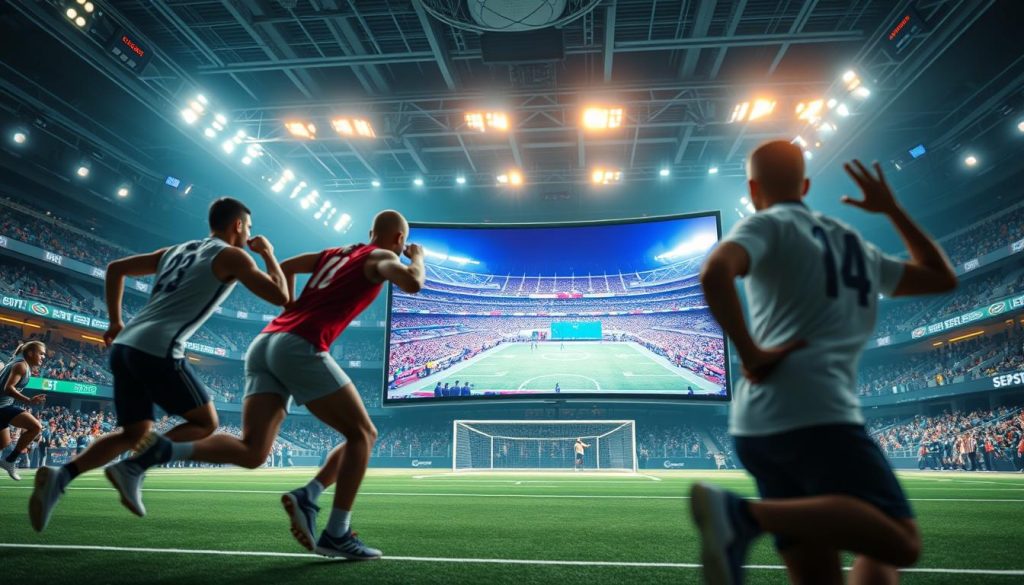
YouTube Shorts has made vertical videos a key part of sports. Why watch a whole game when you can see 45-second clips of Ja Morant’s plays? The numbers show it’s working:
| Platform | Vertical Sports Content | Viewership Growth (2023) |
|---|---|---|
| TikTok | NBA Top 10 Reels | +217% |
| YouTube Shorts | NFL Mic’d Up Moments | +184% |
| Instagram Reels | MLB Dinger Compilations | +155% |
This shift isn’t just about how we watch sports. It’s a cultural change. Gen Z wants sports highlights to be as viral as memes. LeBron’s dunk works because it fits how we consume content: quick, engaging, and ready to share.
TikTok’s move into living rooms is based on a simple fact: vertical videos are changing sports, not hurting it. They’re creating new fan traditions, just like Twitter did for sports commentary. Who needs halftime shows when you have 10-second dunks on your Samsung Frame?
Consumer Trends and Demographic Data
When Grandma starts doing the Renegade, you know vertical video has won the culture war. China’s 83% adoption rate of portrait-mode viewing is huge. It’s changing how we watch TV from Shanghai to Arkansas. This is why Walmart now features TikTok dances next to cereal aisles, and why your TV’s next software update might include a “For You Page” algorithm.
| Aspect | Traditional TV | Vertical Smart Screens |
|---|---|---|
| Avg. daily use (18-34 demo) | 1.8 hours | 3.7 hours |
| China market penetration | 22% (4K TVs) | 61% (Douyin-enabled) |
| Retail integration | Black Friday ads | Walmart TikTok kiosks |
The data screams what Gen Z whispers: short video trends are rewriting home entertainment rules. Why bother with landscape mode when your content’s already portrait-perfect? China’s smart TV sales surged 140% last quarter—not for Netflix binges, but for vertical snackable content optimized at 9:16 aspect ratios.
This isn’t just about screens. It’s cultural muscle memory. American retailers mimic Shenzhen’s playbook: Walmart’s in-store displays now auto-play trending TikTok sounds, while Best Buy employees demo TVs using #BookTok recommendations. The message? Your next TV isn’t just smarter—it’s socially aware.
As living rooms morph into vertical cinemas, one question remains: Will HBO Max add a “swipe up” feature? Don’t laugh—Samsung’s 2024 prototypes already include thumb-friendly navigation bars.
Tech & Entertainment Integration
The battle for your attention has changed. Now, it’s about bigger screens for vertical videos. Companies are updating their hardware to fit this new trend.
Vertical (Portrait) Digital Signage Mode
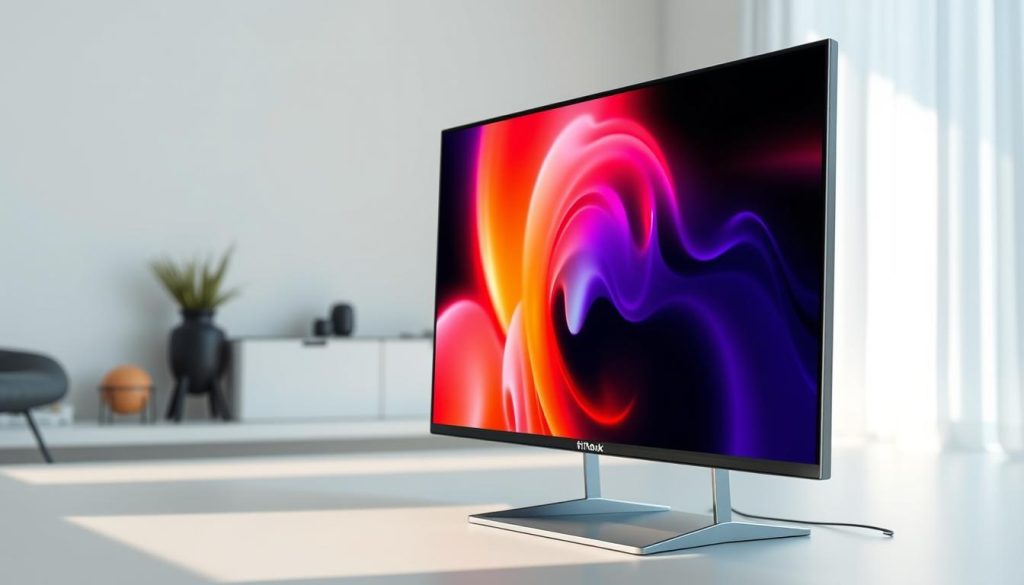
Samsung’s $1,500 Sero TV is a top choice for vertical displays. It has a motorized screen that turns your living room into a TikTok feed. But, you don’t need to spend a lot. People are using $50 Android boxes to make budget TVs show vertical videos.
This shows us that vertical videos are here to stay. Stores, airports, and even gas stations are now showing ads in portrait mode. It’s like everyone is trying to get noticed by showing off their sides.
How to Rotate Screen on Windows 11/10
Want to watch vertical videos without buying new gear? Here’s how:
- Right-click desktop > Display settings
- Under “Display orientation,” choose Portrait
- Click “Keep changes” when prompted
Some graphics cards, like NVIDIA, let you use hotkeys for quick screen rotation. It’s great for switching between TikTok and work.
This isn’t just about tech tricks. It’s about survival in the digital world. With vertical videos taking 35% of digital ad budgets (Source: Statista), companies must adapt. The real question is how many viral videos you’ll watch before your screen rotates.
Global Shifts & Market Prospects
Why argue over portrait vs. landscape when you can dominate both? In the U.S., tech giants fight over aspect ratios. But in China, the smart TV market is changing the game quietly. Douyin, TikTok’s twin, is on 60% of new Chinese smart TVs.
This means a $500 billion digital ad market is at their fingertips. It’s like finding fries in every McDonald’s Happy Meal. But here, the toy is a massive digital ad pipeline.
This isn’t just about screens; it’s about building a digital empire. Chinese makers like Loop TV aren’t just selling TVs. They’re creating content highways where vertical video is the norm.
Imagine a world where you don’t need cables for entertainment. It’s all about algorithmic fun delivered right to your living room.
The West is slow to adapt, stuck in debate. U.S. brands hesitate to embrace vertical video on big screens. China, on the other hand, is using tech as a Trojan horse.
| Market | Content Strategy | Revenue Model |
|---|---|---|
| China | Pre-installed apps + shoppable ads | Transaction fees + brand partnerships |
| U.S. | Cast-to-TV features + creator tools | Ad revenue splits + premium subscriptions |
Emerging markets are watching this tech war. In places where smartphones are more common than TVs, vertical video could skip traditional TV altogether. TikTok TV is being used to attract first-time smart TV users.
This strategy makes Bezos’ Fire Stick look old-fashioned. It’s like jumping from dial-up to high-speed internet.
But China’s success isn’t just about size. It’s about understanding and adapting to local culture. When a Xiaomi TV starts with Douyin tutorials, it’s not just selling TVs. It’s colonizing attention spans.
The question is, will the West follow China’s lead? Or will many markets change before we settle the 16:9 debate?
Conclusion
TikTok has changed how we watch TV, turning short videos into a daily habit. It shows how our attention has shifted, even as our screens get bigger. Remember when we used to check Twitter during TV ads? Now, our TVs are our second screens.
This change isn’t just about watching dance videos in high quality. Big TV makers are adding TikTok features to their devices quickly. This means a new generation expects to see TikTok videos on their TVs, right next to art.
Soon, 38% of U.S. homes might have TikTok TVs by 2026. This is good news for ByteDance but bad for traditional TV shows. Why watch a whole series when your TV plays viral videos for you?
The future of TV might look like a TikTok logo on your remote. It will keep asking you to watch just one more video. Our living rooms will become like the For You Page on TikTok.
Our couches will be like the comment section. Trying to resist this change is pointless. The real question is, will we automatically swipe up when a show ends?