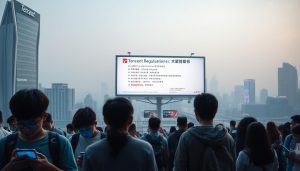
Imagine Valorant Champions selling out in minutes, with tickets going for $2,000. But when you look around, you see rows of empty seats. It’s like watching Lionel Messi play in a half-empty NFL stadium, which actually happened during Copa America.
Esports venues are facing a new challenge with empty seats. Riot Games’ events are as big as Marvel movies, but they’re struggling financially. This is similar to CONMEBOL’s pricing mistakes and Riot’s venue strategies, both relying on FOMO.
Digital fans don’t want to pay for stadium seats. They prefer watching on their $50 headsets. If arenas are empty, who’s really winning?
This issue goes beyond just expensive tickets and empty seats. It’s about the clash between IRL spectacle and the comfort of watching from home. Let’s explore why arenas are empty while digital viewership soars, and what happens when big productions meet real-world costs.
The Price Spike Problem
Let’s play a game: What costs more than front-row seats to Taylor Swift’s Eras Tour but sells fewer tickets than a high school chess tournament? Welcome to the absurd economics of modern esports events. Here, $2,000 Valorant tickets sit idle while $5 Copa America seats sell out quickly. This isn’t just capitalism gone rogue—it’s a clash between gamers’ wallets and sports fans’ priorities.
Gamer vs Sports Fan Event Trends
Traditional sports have mastered the art of dynamic desperation. When Argentina’s average monthly salary is $423, Copa America organizers charge $176 for nosebleed seats. They know fans will max out credit cards for Messi’s magic. Esports? We’ve got New Mexico State University trying to fill arenas by slashing prices to $5, but players stream the event from their dorm rooms instead.
The psychology here is wilder than a Fortnite loot box. Sports fans treat live events like religious pilgrimages—you endure the traffic and $18 beers for the experience. Gamers? They’d prefer buying 40 virtual skins than one real-world ticket. Why? Because in-game purchases offer permanent bragging rights, while live tournaments disappear faster than a Twitch streamer’s attention span.
Let’s break it down:
- Sports Economics: Limited stadium seats + generational fandom = $500 resale markups
- Gamer Economics: Infinite digital access + FOMO microtransactions = $0.99 emotes outselling $200 VIP passes
Scalpers are caught in the crossfire. StubHub listings for Copa America finals plummet 80% minutes after kickoff, while Valorant Championship tickets linger at $2,000 like NFTs nobody wants. Even EVO—the Super Bowl of fighting games—struggles to sell out despite charging Coachella prices for what’s basically a weekend-long button-mashing marathon.
The real kicker? Esports orgs could learn from FIFA Ultimate Team’s playbook. Those $100 player card packs sell faster than hotcakes because they tap into instant gratification culture. Live events? They’re asking gamers to trade screen time for… sunlight. And let’s be real—when’s the last time you saw a pro gamer voluntarily leave their RGB-lit cave?
Supply, Demand & Scalping Tactics
Imagine if esports ticket prices were as high as GameStop stock squeezes. The $2,000 price tags aren’t random. They’re the result of a mix of artificial scarcity and digital fan frenzy. Let’s explore this market.

Digital Audiences Supersede Live
Scalpers use advanced bot networks, like those in Valorant. These bots grab tickets faster than a Tekken combo. They create shortages that rival ancient grain hoarding.
Consider this: CONMEBOL sold 1 million Copa America tickets online. Yet, only 12,933 fans attended Panama vs. Bolivia in person. What’s the problem?
The issue is streaming culture. Fans prefer the ease of Twitch over the hassle of live events. They get:
- Instant access over venue prestige
- Chat interactions over nacho lines
- 4K streams over obstructed views
| Event Type | Avg. Attendance | Digital Viewership | Scalper Activity |
|---|---|---|---|
| Traditional Sports | 68,000 | 2.1M | Moderate |
| Esports Live | 4,500 | 27.8M | High |
| Virtual Concerts | N/A | 43.2M | None |
Epic Games hit a jackpot with Fortnite’s World Cup. They offered limited tickets and free global streams. On the other hand, Overwatch League’s venue-first strategy failed fast. The lesson? Digital fans are changing the game.
Fixing the Event Model
Let’s clear up the empty stadium mystery. It’s not just about ticket prices. It’s a sports event supply/demand issue that’s out of balance. Picture Copa America selling $2,000 seats for a Bolivia vs Venezuela game. Now, imagine Lionel Messi replaced by a League of Legends jungler. That’s what esports has become today.
Digital Audiences Supersede Live
Imagine spending $15 on nachos when you could’ve paid $5 for a Twitch subscription. This way, you could watch the same tournament without the hassle of sticky floors. Welcome to the world of gamer economics, where 55,460 people at Arrowhead Stadium were dwarfed by 2.3 million watching online. It’s clear: empty seats are now signs of a new era.

In Canada’s 2023 championships, 11,622 fans attended live, but YouTube replays got 2.1 million views in 48 hours. That’s 180 times more viewers watching on-demand than in person. Why wait in line for $12 beers when you can:
- Chat with pros in Discord voice channels
- Clip instant replays for your TikTok
- Donate subs to creators like Shroud mid-match
The real shocker? New Mexico State University’s 2022 arena disaster. Their jumbotron crashed during finals, leaving live viewers confused. Yet, Discord users enjoyed 4K streams with live commentary, complete with memes and analysis. Which one seems like a better deal?
| Experience | Cost | Engagement Tools | FOMO Factor |
|---|---|---|---|
| Live Event | $200+ | Foam fingers | Miss the bus? Game over |
| Digital | Free-$10 | Chat, clips, polls | Watch anytime, anywhere |
This shift isn’t just about convenience; it’s about cultural value. Gen Z prefers showing off their Twitch badges over Instagram stories. When stadiums become mere backdrops for digital events, gamer economics changes. The future isn’t about empty seats; it’s about servers full of viewers.
Fixing the Event Model
Esports stadiums are like a Marie Kondo nightmare, sparking no joy and wasting $2,000 tickets. What if we saw empty seats as a chance to start anew?
The Twitch Tax Rebellion
Let’s take a page from CONMEBOL’s book. When Copa America 2024 offered tax breaks on tickets, it was like a real-life loot box. Imagine $150 VR bundles for Rocket League’s RLCS giving you virtual front-row seats and special goal effects.
Dynamic Pricing That Doesn’t Suck
Esports ticket prices are as confusing as Smash Bros. hitboxes. Here’s how to fix it:
- Prices adjust based on Twitch chat excitement (100 PogChamps = 10% off)
- Group rates that make sense, unlike NMSU’s GA section
- Panic-buy prices like Steam Summer Sale
| Tactic | Traditional Sports | Esports Opportunity |
|---|---|---|
| Premium Seats | Corporate skyboxes | Discord-integrated VR lounges |
| Fan Engagement | Wave rituals | Twitch emote scavenger hunts |
| Pricing Model | Static tiers | CS:GO skin market-style fluctuations |
Building the Ultra Culture
Soccer’s supporter groups didn’t come from FIFA Ultimate Team. Esports needs its own, like LCS watch parties with TFT comps. This turns empty stadiums into places where fans create content, not just watch.
Those empty corporate boxes? Turn them into creator dens for watch-alongs. This makes the “empty” space valuable, a two-for-one deal.
Conclusion
Empty seats at $2,000 events might seem like a failure. But they’re actually the start of gaming’s next big leap. With digital audiences far outnumbering stadium seats, the old rules don’t apply anymore. Why travel to LA for Overwatch League when you can chat with friends online?
CONMEBOL’s push to market soccer in the U.S. after Copa America shows a big gap. Soccer teams focus on live crowds, while esports builds online communities. Argentina’s Miami training camp for the Copa final is a great example. It shows teams need a base, but fans connect online through Twitch and TikTok.
The real victory isn’t just filling seats. It’s making fans worldwide feel connected, like the kid in Buenos Aires or Brandon in Boise. Scalpers selling $2k tickets are just background noise. The real excitement is in Valorant’s 1.5 million viewers during finals, showing a global audience.
Sports teams measure success by ticket sales. But esports grows through online engagement, like YouTube tutorials and League of Legends sales. Those empty seats in arenas? They’re waiting for the day when online and offline worlds meet.