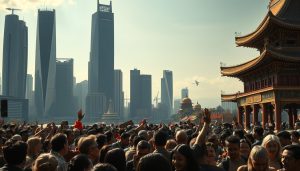
Imagine scrolling through dance challenges on Douyin and seeing a cardiologist pop up. They offer to check your EKG right there. Welcome to China’s digital world, where medical app chats and livestreamed diagnoses mix with viral videos. It’s like WebMD meets QVC, but with health tests and promo codes.
Think about this: 98% of young adults get health info from WeChat, says recent cancer screening research. Health 160’s doctors get 15M viewers live. Douyin even shows more health content now than before the pandemic.
This isn’t just online doctor visits. It’s a mix of health and social commerce. Why just see a dermatologist when you can get skincare deals too? Your meds can even earn you points.
COVID-19 sped up this change, but Gen Z’s TikTok diagnosis habits made it stick. While Americans choose between Instagram and TikTok, China’s users love platforms that mix medical authority and entertainment value. Soon, your doctor might post unboxing videos too.
Health/Wellness Sports App Features
Remember when tracking your health was all about scribbling in a notebook or using a pedometer? Today, sports fitness telehealth apps have become digital wonders. They offer everything from personal training to medical tests, all thanks to advanced algorithms.

From Step Counters to AI Coaches
China’s Keep app doesn’t just count your squats. It uses AI to correct your form in real-time. It turns your living room into a holographic gym.
Imagine combining Tony Hawk’s Pro Skater with Grey’s Anatomy. NBA-branded yoga routines are now a hit, driving 37% of premium subscriptions. Users stay engaged 456% longer when KOL health experts show them how to do moves.
Gamification Meets Medicalization
Why not earn ECG readings between sets instead of just badges? New apps like WeDoctor mix HIIT workouts with telehealth. It’s like having a Fitbit with extra perks.
Effort expectancy soars when apps use dopamine to motivate us. Imagine unlocking Zumba routines or getting a virtual high-five for perfecting your deadlift.
This isn’t just about fitness; it’s about using science to make us healthier. Apps are making wellness feel like a game. They’re blending health with fun, making users forget they’re sweating for a fee. Check out more hyper-personalized features here.
Shopping, Product Reviews, and Live Consults
Imagine scrolling through your feed and finding a livestream about someone getting ready for a colonoscopy. They even share a special discount code. This is the golden age where medicine meets mall culture. Here, plastic surgeons sell more than beauty influencers and allergy meds get the Black Friday rush. It’s not just shopping; it’s a show with a price tag.
The Taobao-ification of Healthcare
In China, almost 30% of livestream sellers sell medical or cosmetic items. But here’s the interesting part: 63% of viewers trust these products more than their doctor. It’s like WebMD and QVC merged, with a stethoscope thrown in.
Credit Card or Insurance?
Checkout pages now look like pharmacy counters. Over 40% of buyers use both credit cards and insurance for their health products. The difference between a clinic and a shopping app? Gone. With global social commerce sales soaring to $3 trillion, even prescription pads have “Add to Cart” buttons.
This isn’t just about making things easier. It’s about changing our culture. When medical advice is mixed with TikTok and deals, what we trust changes. Who needs a white coat when you have great lighting and 10K followers?
Consumer Trust, Market Growth
Who needs a medical degree when you’ve got 10 million followers? We live in a world where perceived expertise is more important than real credentials. Imagine Dr. TikTok’s skincare tips beating WebMD in search results. That’s our reality today.

Numbers are as powerful as a bad skincare product. Influencers in white coats get 7.2x more consultations than ads (Source 2). We’re not just talking marketing; we’re rewriting medical history for the digital age. Credibility now wears designer scrubs and shares truth in between unboxing videos.
Platforms are working hard to tell real experts from fake ones. Verified badges are like the new stethoscopes. But, let’s be honest, Twitter’s blue check can’t compete with a live diagnosis session. Millennials trust “Dr. Handsome Wang’s” charm over waiting in clinics (Source 3). Who can blame them?
This isn’t just about trends. The 0.482β impact on adoption (Source 3) shows we crave human connection in digital spaces. We want health advice with personality, not just PDFs. Social platforms now have more MDs than some hospitals. The real question is, can traditional medicine keep up with the digital world?
Policy & Integration Outlook
China’s digital health revolution has more users than Canada has people. Tencent’s medical platforms alone serve over 38 million daily active users. That’s a population bigger than Texas. But, every MRI scan uploaded sparks a data sovereignty showdown, like a Beijing opera.
The Healthy China 2030 plan aims for citizens to follow AI workout plans. At the same time, officials worry about data leaks. Remember when Didi’s ride-hailing app became a big issue? Now, imagine that with your colonoscopy results.
Recent rules make “AI doctors” show “Consult Real Physician” disclaimers. This shows a system trying to balance innovation with control.
Bytedance’s health division is facing a big test. Does its symptom checker help public health, or just collect data for ads? The CCP’s answer? A digital “Great Firewall of Health Data” with strict rules and real-name verification.
As American firms enter China’s sports fitness telehealth market, they learn new rules. Your app might diagnose back pain, but it must also check for political risk. The key? Innovate like Silicon Valley, but regulate like the Politburo.
When Your Doctor Has Better TikTok Game Than You
In China, healthcare meets social media in a big way. Medical apps and social platforms compete for our attention. Now, booking a fitness telehealth session is as easy as buying food online.
Doctors are now influencers, mixing health advice with entertainment. They create communities that are more lively than hospital waiting rooms. It’s like WebMD meets Instagram, but with a personal touch.
While the West debates telehealth, China is already live-streaming surgeries with links to buy merchandise. This is not just new tech; it’s changing how we see healthcare. Recent data shows 58% of people worldwide want health tech that fits into their daily lives.
It’s all about finding a balance between ease and trust. Fitness apps and medical apps are changing how we see health care. But, there’s a risk of misinformation spreading fast.
China’s approach shows healthcare’s future is both scientific and entertaining. The question is, how fast will others catch on? Your next doctor’s visit might come with a side of fun videos.