Imagine a university in Chengdu where robots scan more students than people. Your chance to buy bubble tea depends on a glowing phone screen, not your temperature. This is China’s pandemic world, where digital passes are key.
The system uses colors like a scene from The Matrix. Green means you’re free, yellow means quarantine, and red means you’re digitally disappeared. But, 155 million seniors were left out, unable to shop or travel because they didn’t have smartphones.
These digital gates changed how we act, from sports to public transport. They didn’t just track sickness; they shaped our lives. The irony? A tool meant to keep us safe became a divider.
How Health Codes Work
Imagine your smartphone acting like a digital probation officer, always watching and judging. China’s pandemic management system is like a real-life game of Candy Crush. But instead of winning rainbow cascades, you get to go to the grocery store.
Your every move is tracked, and your social interactions are graded. It’s like Starbucks’ rewards program, but here, you earn points for basic human freedom.
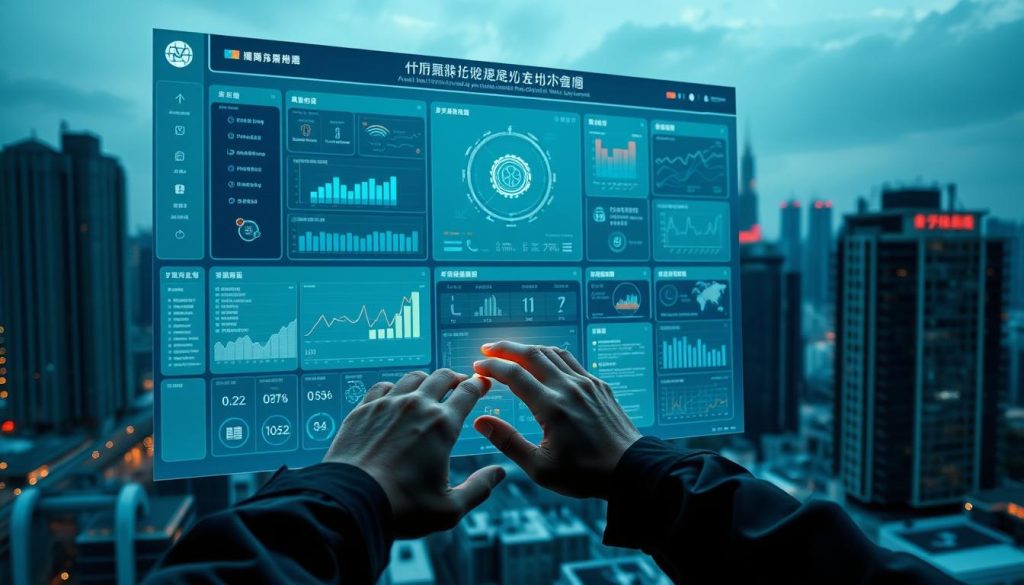
This color-coded marvel uses GPS and Bluetooth to track you. It’s like having a clingy ex and a nosy neighbor all in one. China’s system is more “Big Brother meets TikTok”, collecting data like an Amazon robot.
Ever seen Cainiao’s delivery bots? They’re like the pandemic-era mascots of no-contact logistics, avoiding humans like lava.
But let’s get to the heart of it. This system isn’t just about controlling the virus. It’s a lesson in how to nudge behavior. You’re not just avoiding crowds; you’re earning points as a “good citizen”.
Green means go, yellow warns you, and red is like digital timeout. Unlike your coffee loyalty program, there’s no free latte here. Just the chance to enter a subway station.
Stadium/Event/Facility Use Cases

Imagine walking into Madison Square Garden, but instead of checking tickets, security scans your biological résumé. China’s venues now treat entry like a hybrid of playoff finals and dystopian screenings. Your right to watch LeBron-level athleticism depends on metrics more scrutinized than his free-throw percentage.
At Sichuan University, students navigate a campus that feels borrowed from Black Mirror’s prop department. Masked undergrads collect packages from robots programmed with all the warmth of a tax auditor. Morning jogs? They’re less about fitness goals than geopolitical chess – stray too far, and your step count becomes a quarantine warrant.
This isn’t just event access reimagined. It’s social engineering disguised as convenience, where “security theater” meets actual theaters. The real question: When your daily jog could red-flag an entire neighborhood, does the treadmill become the ultimate act of civic responsibility?
Privacy, Societal, and Market Ripple Effects
Imagine a world where your grocery store knows your eating habits better than your doctor. They even sell this data to the highest bidder. Our digital world is changing how we live, but it’s also changing our social rules. Underneath the surface of easy app use, there’s a big problem with privacy concerns that’s scary.
There’s a big gap between old and young. While older people get help with technology, big companies keep getting bigger. Alipay isn’t just for payments; it’s about collecting behavioral blueprints in digital form.
The Silver Tsunami: Elderly Digital Exclusion
Imagine your grandma trying to buy veggies with facial recognition. The government is trying to help older people, but tech giants are getting bigger. This tech gap isn’t just a problem; it’s creating two different worlds where who you are depends on your access to technology.
Surveillance Capitalism’s Perfect Storm
Remember when stories warned about governments watching us? Well, we’ve let companies do it instead. Contact tracing during the pandemic made us used to sharing our data. Now, we wonder: When does “convenience” turn into control?
The real impact of these systems? They’re not just watching; they’re shaping us. Every choice we make, from how we travel to what we watch, helps build a big surveillance system. And the worst part? We’re building it ourselves, bit by bit.
Will Codes Stay?
Do you remember when WeChat was just a messaging app? Now, it’s used for everything from paying rent to hailing cabs in China. The digital passes that tracked fevers have evolved to monitor more, like your commute and purchases. What started as a way to fight the pandemic is now a deeply ingrained part of life.
From Pandemic Tool to Social OS
In Chengdu, people found out their subway uses facial recognition, even with N95 masks. That’s not a glitch – it’s a feature. These systems are combining health apps with transit data, payment records, and CCTV footage. It’s like a loyalty program, but you didn’t sign up for it.
The Great Normalization Debate
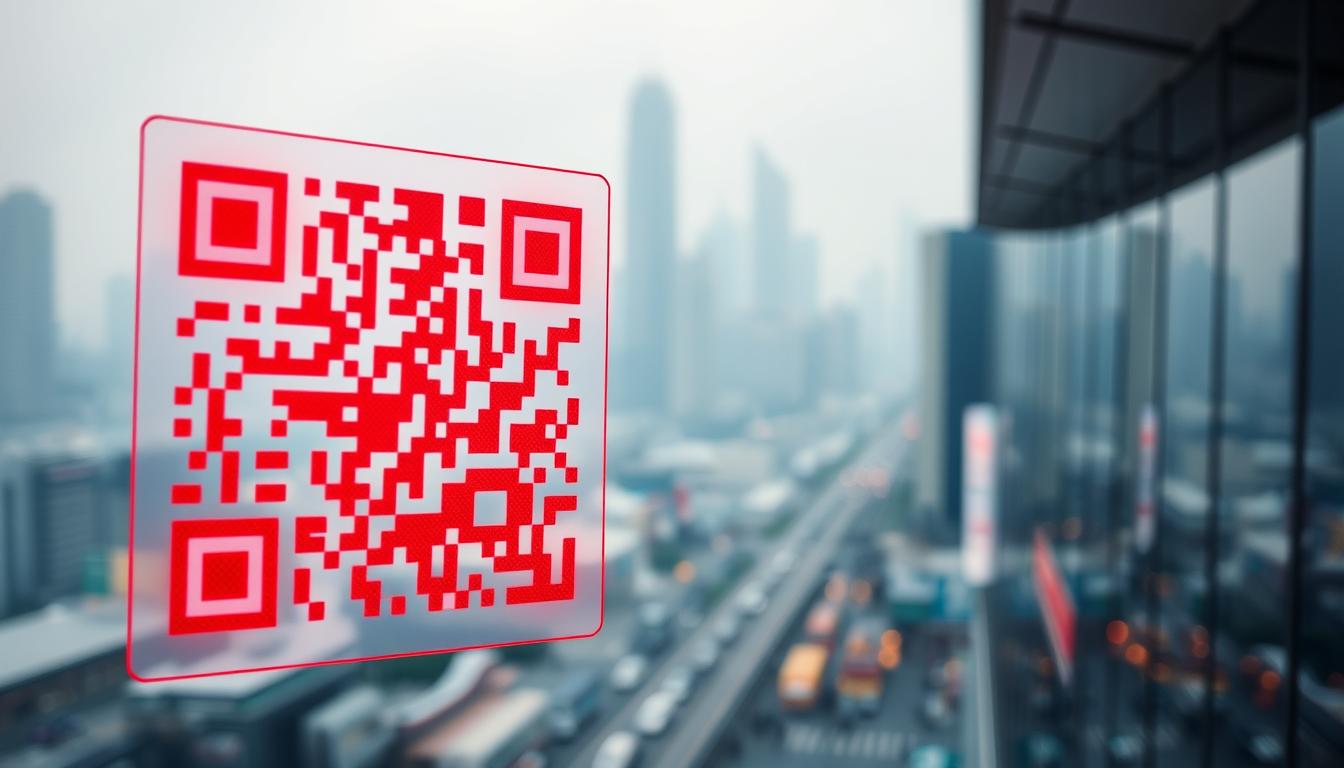
In Beijing’s tech hubs, there’s a buzz about “smart governance.” Some people worry about social credit systems in disguise. Can you get dumplings without your phone showing your location near a protest? The answer might be hidden in those QR codes we all scan.
This isn’t just China’s issue. Every Uber ride and vaccine card upload trains AI. The real question is, who gets to change the system when it goes wrong?
The QR Tightrope: Efficiency’s Price Tag
China’s QR code health system is a digital tightrope. It balances sci-fi efficiency with Black Mirror-like privacy concerns. By 2022, over 1.4 billion people used color-coded apps for pandemic management. This scale is unmatched, making Amazon’s logistics seem amateurish.
Stadiums were revived with event access protocols. Fitness trackers synced with health apps for safe gym routines. But, this convenience came with hidden costs.
Imagine Shanghai’s wet markets. Octogenarian shrimp vendors use smartphones as Meituan delivery bots pass by. It’s a viral meme and cultural autopsy. Grandma’s persimmons are sold next to Gen Z’s oat milk lattes.
The system kept malls open during outbreaks. But, it turned personal health data into a bargaining chip. Privacy concerns in Beijing are like smog.
When your gym membership and subway pass depend on a green code, compliance is currency. The tech that enabled concert venues to reopen now tracks daily life. It’s pandemic management with Chinese characteristics.
Alipay Health Code is evolving into a social OS. We’re left with tough questions. Can event access controls exist without social credit lite? Will fitness apps prioritize privacy over government mandates?
China’s experiment shows QR codes can tame viruses. But, whether they’ll democratize or dictate our post-pandemic world is the trillion-yuan question. The robots are here. The question is who’s holding the leash.