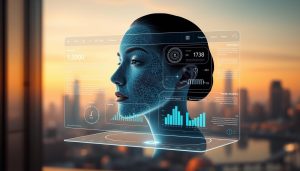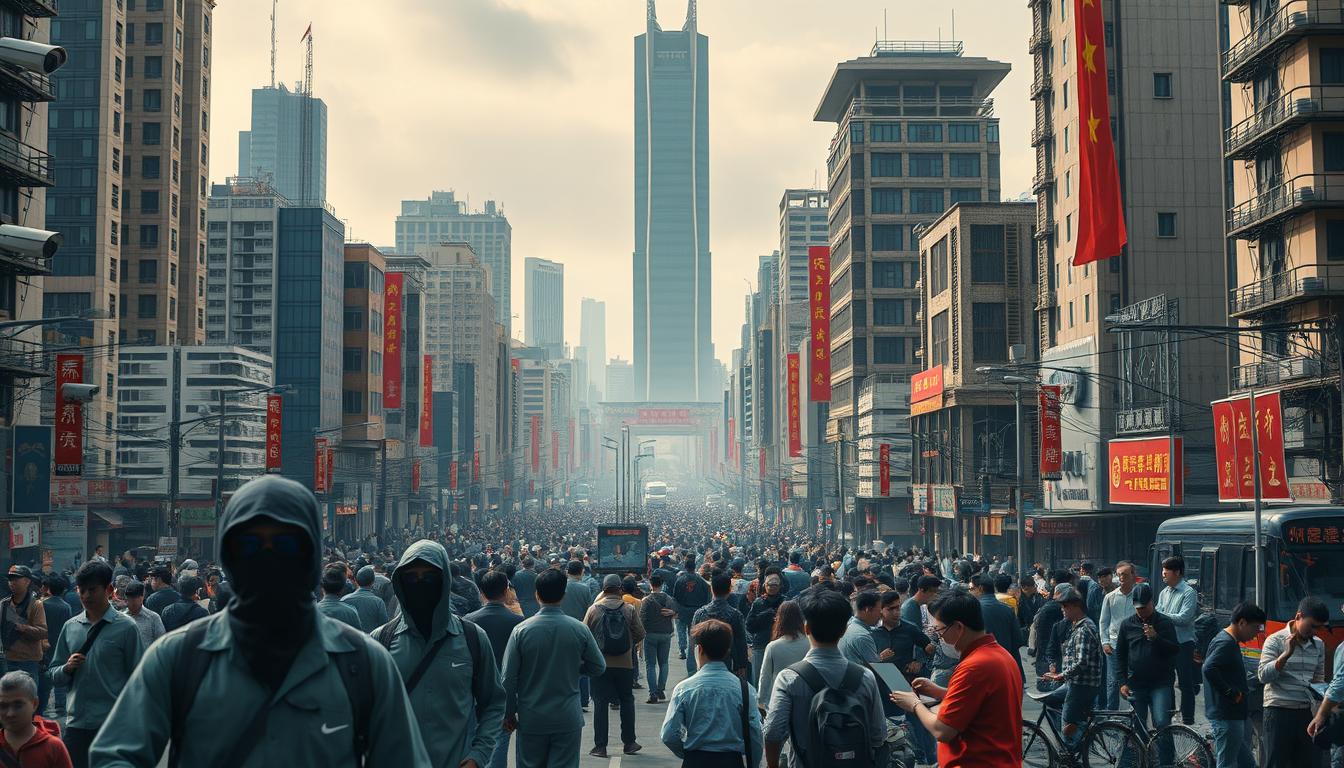
Imagine visiting Tiananmen Square today. Your face gets scanned before you even tie your shoes. Your phone buzzes with location-tagged social credit alerts. This isn’t just a story—it’s our reality. Welcome to a world where 700 million cameras watch over Beijing, creating a digital “Skynet.”
But here’s the twist: citizens aren’t just passive subjects. They’re turning into hackers.
While officials talk about “stability maintenance,” people use burner phones like secret agents. College students share VPN tips as fast as K-pop trends. Street vendors sell QR code stickers that turn health apps into digital art.
This isn’t a rebellion. It’s a survival strategy. When facial recognition targets protesters, activists use AI makeup to confuse the system. When WeChat gets too nosy, encrypted apps pop up like digital flowers.
The battle is a game of cat and mouse. TikTok teens teach their grandparents how to hide in plain sight. It’s a clever dance of technology and trickery.
What happens when your enemy controls the internet and the story? You don’t fight with guns. You fight with code. You hide in the digital shadows, one clever disguise at a time.
Rise of Police Surveillance
Imagine Orwell’s telescreens merged with Amazon Go’s tech. Instead of buying snacks, you’re losing social points. China’s police tech has over 415 million cameras, making streets like giant surveillance screens. It’s as if every corner is watching you.
This isn’t just a neighborhood watch anymore. China’s surveillance has evolved from Mao’s era to Xi’s AI. In Shenzhen, robots scan faces 20,000 times an hour. “Smart helmets” can spot dissent at protests using thermal imaging.
Privacy used to mean a closed bathroom door. Now, your walk is analyzed by gait recognition tech. It’s like your every move is being watched.
From Mao’s Informants to Xi’s AI
The Cultural Revolution’s snitch culture paved the way. But today, surveillance China relies on technology, not just ideology. Uighur-targeting algorithms use DNA and travel records. COVID health codes have become loyalty scorecards.
Imagine being denied subway access for a smartphone glitch during a protest. It’s a scary thought. Cities even use facial scanners above public toilets to prevent theft. It’s a mix of innovation and control, blurring the lines between safety and freedom.
How Apps Enable/Thwart Tracking
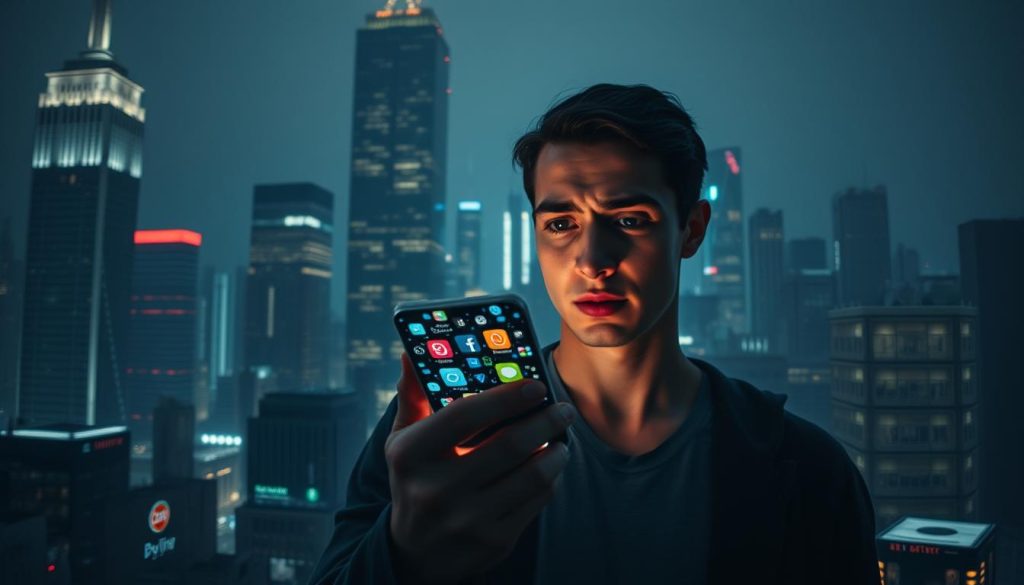
Imagine an app that’s your morning news, payment wallet, and government informant. Welcome to WeChat, China’s all-in-one platform that also acts as Big Brother’s spy. Introduced in 2017, it turned profiles into digital ID cards, making it a Schrödinger’s cat of modern tech.
WeChat’s Double-Edged Sword
Tencent’s message archiving feature makes deleted chats permanent. Yet, activists use Signal-style clones hidden as astrology apps. At the same time, “Little Pink” trolls use these tools to expose critics, like Sherlock Holmes and Moriarty sharing a Twitter account.
VPNs and Encrypted Echo Chambers
Privacy resistance thrives in secret. China’s internet is like a Dark Forest, where users talk through K-pop and Douyin dance challenges. VPNs help create encrypted salons for sharing opinions, like baijiu at a poetry slam.
To avoid surveillance apps, learn to speak in memes. The silent majority now says, “If the CCP’s watching, at least make them Google the punchline.”
Grassroots Digital Resistance
Imagine your iPhone’s AirDrop notification becoming the samizdat of our time. That’s what happened during Beijing’s 2022 blank paper protests. Dissidents used Apple’s file-sharing feature to circumvent censorship quickly. It was a new kind of revolution.
Shanghai retirees showed us how to use tech in a clever way. They used TikTok beauty filters for “AI camouflage warfare.” They made facial recognition algorithms disappear while streaming mahjong games. It’s like The Handmaid’s Tale meets Wes Anderson, a mix of dystopia and fun.
From AirDrop Protests to AI Camouflage
Deng Yufeng’s camera installations show the new face of dissent. They use mesh networks as art, QR codes in calligraphy, and updates in gaming apps. It’s a mix of cyberpunk and cultural tradition, like “Mr. Robot” meets “Red Detachment of Women.”
These new ways of protesting make us think. When does a selfie filter become a political statement? Can a viral dance challenge be resistance? The answers are coming through encrypted chats and AI art, showing that revolution can come with a software update.
Privacy at Sports and Public Gatherings
When did cheering for your team become like being in a Black Mirror episode? The 2022 Winter Olympics used many facial recognition cameras. Marathon runners found their bib numbers tracked them.
Stadiums now act like open-air labs, watching everyone. It’s like we’re all in a big experiment without our consent.
Soccer matches have changed too. Now, AI-powered crowd analysis systems can spot beer smugglers fast. At Taylor Swift’s Eras Tour, fans were scanned. But some wore infrared LED hats to confuse cameras.
The battle between surveillance and ways to avoid it is ongoing. Beijing cyclists used QR code-scrambling stencils, like Banksy’s art. European football fans wear thermal-insulated face paint to trick thermal cameras.
These aren’t just odd tricks. They’re the new standard. Fans are fighting back against the surveillance in stadiums. The question is, can we keep up with the tracking technology?
Legal Ethos and Loopholes
Imagine a country with data privacy laws stricter than California’s CCPA. But, the government can scan your face at the mall. Welcome to China’s regulatory hall of mirrors, where privacy protections disappear quickly.
The 2016 Cybersecurity Law and 2021 Data Security Law gave legally enforceable privacy rights. But, they’re as reliable as a fortune cookie when “national security” is mentioned. Yet, this contradiction has created an unlikely hero: lawyers using Xi Jinping’s speeches to sue over surveillance.
It’s like legal jujitsu. Activists use the Communist Party’s own words about “rule of law” to fight facial recognition. One Shanghai firm even used Mao-era principles in a 2022 case. It’s like beating a chess grandmaster with their own move.
But does this privacy resistance mean real change or just better compliance? The answer might be in Beijing’s tighter control on data exports last month. When laws are both shield and sword, even loopholes have loopholes.
The Arms Race: State vs. User Tech
Imagine living in a spy movie where police tech grows faster than Hollywood’s CGI. That’s our world: governments use sci-fi surveillance, while we fight back with privacy hacks. It’s the algorithmic Cold War in your phone.
Deepfake Bureaucrats vs. AI Anonymizers
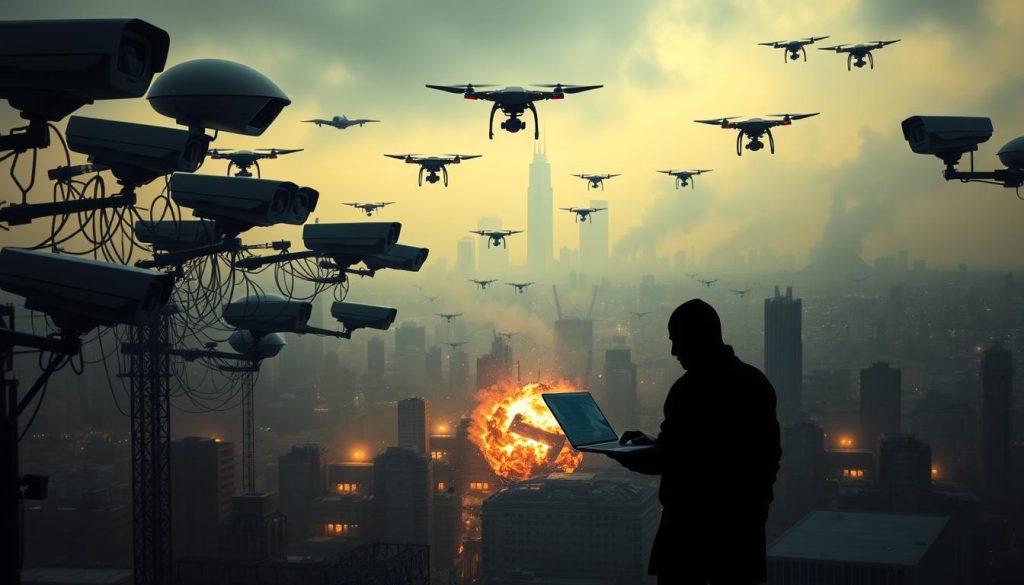
Huawei’s “Safe City” exports include drones that recognize protesters by their walk. Activists use AI to create digital twins that fool even the best detectives. The “crypto wars” of the 90s are back, with Beijing’s quantum computing facing light-based encryption.
One monk shared, “Our spinning wheels now encode VPNs.” It’s poetic and effective. Last Tuesday, 5,000 fake profiles flooded a surveillance app. Cities track us with heat signatures, while teens swap phones like Pokémon.
Surveillance apps can’t tell if we’re citizens or suspects. But as they get smarter, so do our tricks. Will this tech battle lead to Orwell’s nightmare or a hacker’s joke?
When Surveillance Systems Become Their Own Undoing
China’s digital world is filled with irony. Facial-recognition cameras track citizens, but also help grassroots digital resistance China movements. Protesters use AirDrop to spread memes in areas with lots of cameras. Students trick algorithms with AI filters during campus crackdowns.
This isn’t just rebellion. It’s digital judo, using the state’s tech against it.
While Silicon Valley dreams of the metaverse, Chinese activists create protest NFTs on approved blockchains. Encrypted apps like Signal saw a huge increase in downloads in 2023, despite the Great Firewall. The tools of control are now used for dissent, a problem Beijing can’t solve.
The U.S.-China tech split adds to the fire. Huawei’s surveillance tech is used worldwide, while Chinese youth find ways to jailbreak TikTok. Beijing tries to tighten data laws, but citizens find ways to share VPNs. The game of cat and mouse speeds up, with deepfake videos and AI camouflage.
Every surveillance state faces a problem. Install 10 million cameras? Citizens learn to use anti-surveillance makeup. Build social credit algorithms? Hackers create tools to beat the system. The grassroots digital resistance China movement shows that the watched can become watchers and change the rules.
Mao’s Little Red Book said enemies would “drown in the people’s war.” Xi’s algorithms might have missed the note: In the 21st century, this war is livestreamed, encrypted, and verified on blockchain. The Panopticon’s biggest threat isn’t darkness. It’s too many flashlights shining back.