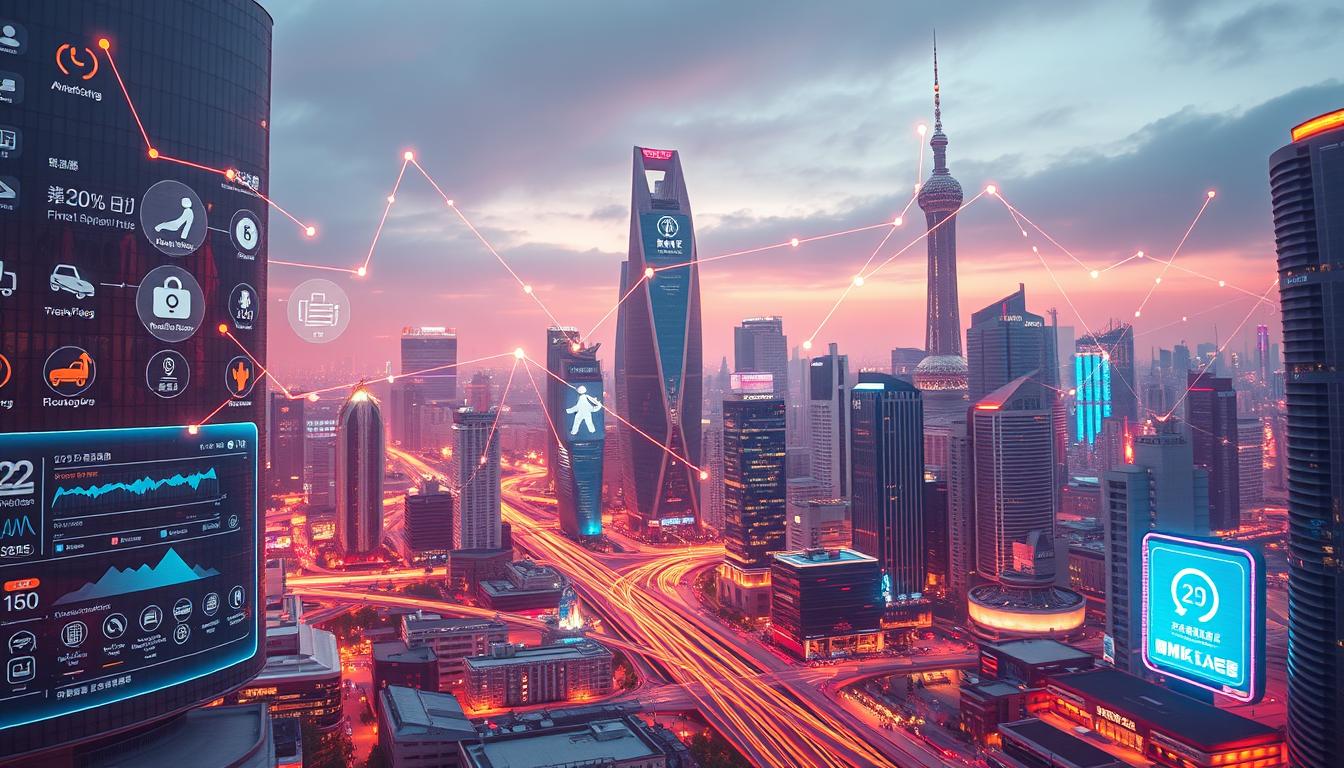
Imagine ordering food, booking yoga, and unlocking bikes as easy as getting Prime delivery. In China, this is everyday life. WeChat handles 91% of mobile payments, while Amazon emails about delayed packages.
Tencent’s app is like a digital Swiss Army knife. It lets users book basketball seats, track training with AI, and rent scooters. It’s like Tetris for urban services, filling every gap in daily life.
Amazon’s U.S. strategy seems stuck. Could it become the master of productivity here? Kai-Fu Lee says AI will change how we shop. Imagine Alexa managing your commute—bike rentals, traffic, and smoothies all in one.
This isn’t just about convenience. It’s about apps becoming inescapable. When your badminton partner pays you through the same app that tracks your heart rate, where does it end?
Market Overview: App Functions & Sports-Friendly Features
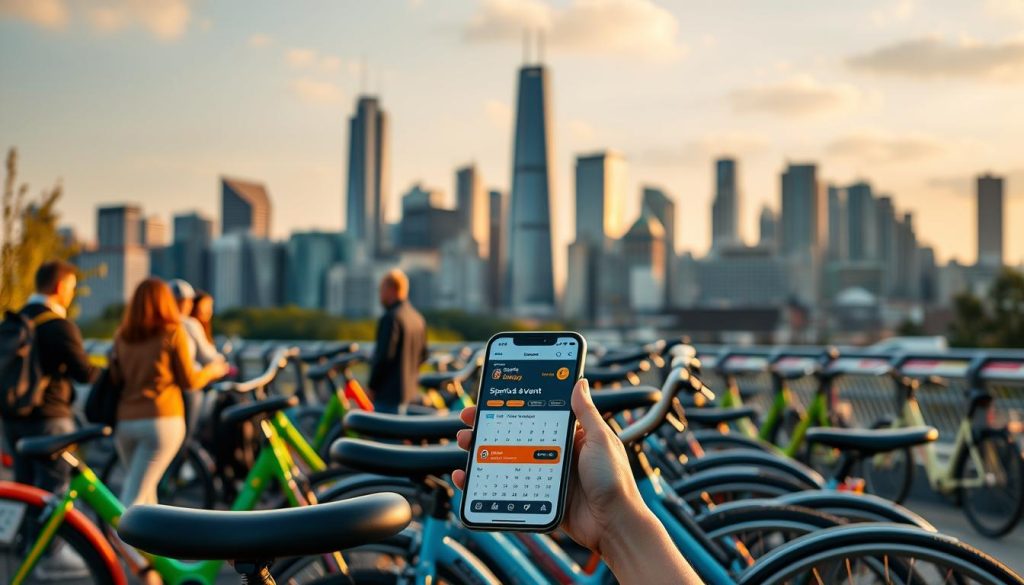
Why stick with ride-sharing apps when your dinner delivery service could be your next bike rental spot? China’s Amap turned marathon registrations into hotel booking sprees. It’s like securing lodging after running 26 miles.
Airbnb’s rumored “experiences” expansion is like watching a poker player bet their house on blackjack. It’s a big risk.
The magic happens when sports event bookings apps become all-in-one tools. Imagine booking Lakers seats through WeChat and getting bike-share options with your dumpling coupons. It’s not just easy – it’s a digital ecosystem connecting your sports passion to your wallet.
This isn’t app evolution – it’s app mutiny. Platforms use our love for sports to create self-contained economies. The goal? Make every sports event a gateway to more services. Your basketball ticket could become a restaurant reservation, then a bike rental voucher. You’ll need separate budgets for sports and spending.
Competitive Landscape
Imagine Silicon Valley leaders using stadium shuttle integrations like swords in a battle for your daily commute. Didi is now taking fans to Taylor Swift concerts, while Meituan offers Peloton discounts on e-bike rentals. Airbnb’s Brian Chesky talks about “travel-adjacent mobility solutions” like a strategist planning for winter.
Why do these companies want to control your ride? It’s simple: they want your money. Amazon Prime shows the power of sticky subscriptions, and Uber’s dominance in ride-hailing proves the value of daily needs. Didi is not just a ride service; it’s building a lifestyle empire through partnerships with sports and music events.
This isn’t just innovation; it’s colonization. When Meituan combines gym memberships with bike shares, or SuperApps dominate digital life in Asia, they’re using the same strategy. They aim to make their app essential for navigating the world, controlling how people spend money. Chesky’s Airbnb is exploring city guides and transportation, not just for fun, but to expand its territory.
The ultimate goal is to become the operating system for urban existence. Whoever wins this battle will not only dominate ride-hailing but also tax every coffee and concert ticket sold through their platform. The stakes are high, with trillion-dollar valuations at play.
Barriers and Scaling

Imagine pandas trying to use chopsticks after three sake bombs. That’s how America is with mobile payments. Bain & Company shows a stark difference: 90% of Chinese consumers use phones for transactions, while US adoption limps at 10%.
WeChat didn’t just launch a payment system in 2014. They turned Lunar New Year red envelopes into a viral tool. This converted 800 million users.
Now, imagine Amazon making Cyber Monday like our digital hongbao. Instead of promo codes, Prime members get AI-generated gift packets. These packets split between friends, a twist on old customs.
This idea is convenient but has a dark side. Every split payment could show if your cousin likes you or just your discounts. It’s like something out of Black Mirror.
The real barrier isn’t technology. It’s our cultural fear of sharing data. We want easy checkout but worry about apps knowing our secrets. Can Western companies balance our desire for ease with our need for privacy?
Or will our fears keep us in cash-app limbo? Asia’s superapp ecosystems are growing, becoming like financial Skynet.
The next payments revolution won’t come from better QR codes. It’ll need Silicon Valley to understand human behavior as well as WeChat understands tradition.
Will Apps Run All Urban Life?
Imagine starting your day with yoga and then your fitness app orders a protein shake for you. Your commute app might even book a massage based on your steps. This isn’t just a dream. It’s what happens when Amazon-style superapp ambitions come true.
These apps use data from your Prime subscriptions, Whole Foods buys, and even your front door camera. They create a single, all-knowing algorithm.
Is this a utopia or a form of digital slavery? The Sage archetype makes us think like Jeff Goldblum in Jurassic Park. “Your scientists were so busy wondering if they could, they forgot to think if they should.”
Super apps like WeChat in Asia handle everything from train tickets to pet insurance. America’s version might bring us efficiency or make us realize we’re just powering payment systems.
Think about the trade-offs. Auto-generated grocery lists sound great until your health insurer changes your premiums based on snacks. Seamless living means giving up a bit of freedom. Each feature seems to save time but actually gives more power to corporate servers.
The big question is, will we even know our lives when these apps take over?
The Invisible Hand in Your Pocket
Apps now control urban life, aiming to be like lungs. WeChat lets you book bikes and badminton courts together. Alipay suggests hiking trails based on your last noodle order. These apps aim to be the operating system for our lives.
They’re not just tools; they’re architects changing cities. They make cities into places optimized by algorithms.
History shows mixed signs. Airbnb uses AI for trip planning, like Tencent’s predictive living. Amazon’s growth plan is everywhere, making us wonder about the future. The question is, will these apps be precise tools or big monopolies?
Imagine apps suggesting your morning jog based on air quality. Or, they might charge you for wellness credits. It’s a choice between convenience and control.
China’s tech giants have already merged apps with payment systems and social networks. Western companies are racing to do the same. Both Silicon Valley and Shenzhen are moving fast, but in different ways. They might both lead to the same digital future.
Urbanites face a choice: convenience or control. Using one app for everything might feel convenient. But it could also feel like being trapped. The answer depends on how these apps evolve.
Will they be like Spotify’s playlists or Facebook’s endless scrolls? As Amazon-style apps take over our lives, let’s watch. The final code is yet to be written.