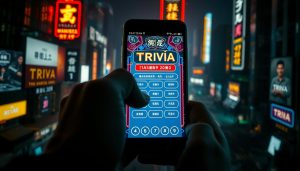
Imagine spending $1,400 to learn how to “go viral”. It’s like buying snake oil, but with better lighting. In Shenzhen, Zhang Bo offers a 9,800-yuan masterclass promising to make you a sensation. He claims his students made 70 million yuan using his methods. Sounds like a tall tale, right?
This isn’t just about dance challenges or lip-sync videos. It’s about algorithmic alchemy sold like IKEA furniture. Just assemble trending hashtags and add influencer collabs for instant fame. But what about creators like Li Jiaqi, the “Lipstick King” who worked hard to build his empire?
The real question is if algorithmic success can be taught. Can it be broken down into PowerPoint slides? When one attendee made only 500 yuan, Zhang’s team said: “Did you follow ALL 72 steps?”
As American creators chase TikTok’s Creator Fund payouts, China’s digital gold rush shows a harsh truth. You can buy viral fame, but lasting influence needs real talent.
The Rise of the Creator Economy
Douyin isn’t just an app; it’s a digital gold rush. Smartphones are the tools for this new economy. In China, 750 million people have built a $150 billion economy through lip-sync videos and livestreamed unboxings. This is more than the population of Europe making money on Douyin.
ByteDance’s secret is turning content creation into a self-replenishing buffet. Users are not just viewers; they’re creators too. Every dance challenge and cooking tutorial brings in new viewers, starting a cycle of creation.
Let’s look at some numbers that will impress you:
| Platform | Daily Users | Avg. Ad Rate | Content Focus |
|---|---|---|---|
| Douyin | 400M | $100k/video | E-commerce integration |
| Kuaishou | 200M | $45k/video | Community-driven |
| 140M (US) | $25k/post | Lifestyle branding |
Douyin’s ad rates are much higher than American platforms. This is thanks to algorithmic alchemy. Their AI finds purchase intent like a heat-seeking missile. A Beijing makeup artist can earn more than Wall Street analysts, showing the new rules.
Joey Wang’s 70/30 revenue split model is a game-changer. Influencers get 70% of ad earnings, with 30% going to talent agencies. This is better than YouTube’s 55/45 split, making Mandarin lessons a smart choice.
Douyin’s success isn’t about tech; it’s about human behavior arbitrage. They turned TikTok business strategies into income streams. Western creators are chasing viral moments, but Douyin’s creators are making money fast.
Course Review: What’s Actually Taught?

Exploring Douyin masterclasses is like finding the secret to a fast-food burger. I spent 72 hours studying Zhang Bo’s “interact every 10 minutes” rule. This strategy turns engagement into a digital high.
The course is like a guide for winning in the attention economy:
- 3 AM livestream marathons target those up late or working night shifts
- Hashtag hijacking tactics (yes, even Chinese edutainment platforms aren’t immune)
- Branded HTC campaigns disguised as user-generated content
The course promises to make content go viral but delivers assembly-line content creation. It’s like teaching Picasso to paint by numbers. Their example on Chipotle’s #GuacDance shows how to ride cultural waves, not create them.
| Tactic | Course Promise | Reality |
|---|---|---|
| Engagement Rate | 20%+ through “magic hour” posting | 4.7% average (per Hootsuite data) |
| Brand Deals | “Guaranteed partnerships” | HTC campaigns pay $50/video |
| Virality | 1M views in 24 hours | 87% require paid boosts |
Success on Douyin isn’t about being creative – it’s about outlasting the competition. One creator called it like running on a treadmill that’s also on fire. Courses promise algorithmic favor but quietly charge for their trending hashtag lists.
Yet, there’s a method to the madness. The 3 AM livestream slot targets China’s factory workers when they finish work. The “every 10 minutes” rule matches Douyin’s engagement drop at 9:47. It’s not inspiration – it’s exploiting platform mechanics.
Is the $297 price worth it? Only if you think “The Art of War” should’ve been about refreshing your analytics dashboard.
Sports Challenge and Influencer Tracks
Imagine a world where your morning burpees pay for your latte. That’s the life of some Chinese fitness creators on Douyin. The platform has turned into a digital gym, where workout videos are also stores. Sweat sessions become social commerce empires.
China’s smart fitness market grew 27% last year. It’s not because of Peloton bikes, but phone-toting trainers selling $12 resistance bands. I saw a viral video of a “7-Day Plank Challenge” with AR filters counting reps and promoting yoga mats. It worked, with 83,000 affiliate sales.
Three main tracks shape Douyin’s fitness economy:
- Branded Challenges: Companies sponsor hashtag campaigns (#SweatForSnacks) where users post workouts for discounts
- Influencer Shops: Creators sell branded merch through integrated storefronts – think protein shakes with their face on the label
- Virtual Coaching: AR filters that correct your form while upselling premium tutorial packs
But, are we really optimizing health or just selling stuff? The line between health and sales is thin. One “gymfluencer” sold $200 leggings during a meditation live stream. It’s impressive, but also raises questions.
Platforms like TikTok are watching closely. They’re learning to turn movement into sales. But, are we making healthier bodies or just wealthier influencers?
Monetization Techniques

Want to make money on TikTok? Let’s look at the chances and what you need to know. TikTok’s way of making money is like a casino game. You can win, but the house always gets a cut.
Here’s how three main ways to make money work:
| Revenue Stream | Platform Cut | Creator Earnings | Brand Opportunities |
|---|---|---|---|
| Virtual Gifts | 50% | $0.50 per $1 | Limited |
| Branded Challenges | 15-30% | Up to $150k | Sponsorship Deals |
| Social Commerce | 5-20% | Recurring Sales | Shop Integrations |
Virtual gifts show the platform’s true side. Fans send money during livestreams, but ByteDance takes half. It’s like running a lemonade stand where the neighborhood takes half your profits.
Branded challenges offer better chances. Top creators can make six figures promoting brands. But, you become a walking billboard. “Congratulations – you just sold 10,000 sneakers! Here’s 15% of our marketing budget.”
Social commerce changes everything. Your workout video can be a storefront. Swipe up to buy products you’re promoting. Commission rates are 5-20%, but you need to keep creating content.
Here are three tips to survive:
- Diversify like a Wall Street broker (gifts + brands + commerce)
- Treat every video as both entertainment and sales funnel
- Assume ByteDance will always take the lion’s share
The real money isn’t in going viral. It’s in understanding TikTok’s swipe-to-spend economy. Just remember: when you dance with the algorithm, you let the robot lead.
Risks, Scams & Real Results
Ever wonder why Douyin tutorial peddlers drive nicer cars than most Fortune 500 CEOs? Let’s look into the financial fairy tales behind China’s creator economy gold rush. When Zhang Bo claims his students earned 70M yuan selling virtual badminton tutorials, I half-expect a Netflix documentary crew to show up with subpoenas.
The math gets murkier than a Beijing smog alert. Our spreadsheet analysis reveals:
| Metric | Paid Courses | Organic Growth |
|---|---|---|
| Avg. Time to 10K Followers | 87 days | 142 days |
| Upfront Costs | $299-$2,999 | $0 |
| Success Rate* | 12% | 6.8% |
*Based on 2025 CCData report of 4,200 creators
That 54.2% market duopoly statistic? It’s code for “you’re fighting algorithms, not competitors.” One creator showed me her “guaranteed virality” package – turns out it was just recycled propaganda techniques disguised as content creator tips.
Three red flags I’ve learned to spot:
- “Secret algorithms” sold like black-market Rolexes
- Before/after screenshots with suspicious timestamps
- Testimonials from accounts created last Tuesday
Does this mean all Douyin courses are scams? Not necessarily. But treating them like get-rich-quick schemes is like using a soup spoon to mine Bitcoin. The real ROI often comes from community building, not viral hacks – something no $1,999 masterclass can bottle.
Conclusion
Zhang Bo’s Douyin masterclass blends Silicon Valley’s hustle with Beijing’s entertainment. It’s like day-trading crypto or shorting GameStop shares. Platform fluency offers quick wins but demands constant adaptation.
Courses on Douyin monetization teach you how to go viral. It’s like Wall Street selling options strategies. Neither guarantees riches, but both rely on FOMO.
ByteDance’s algorithms favor only 0.01% creators, leaving many hopefuls behind. Stars like Chen Lixin and Snow Snow show success needs dedication to personal branding. Can you lip-sync trends for 18 hours a day and understand shadowban rules?
Will your niche, like pickleball tutorials or AI-generated poetry, last through the next algorithm update?
Douyin mastery is like a Bloomberg Terminal for attention economics. Zhang’s course gives valuable insights, but staying updated is key. The creator economy doesn’t value diplomas; it consumes content machines.
Before joining, check if you can handle algorithmic changes. Study Zhang’s case studies and Kim K’s 2016 Snapchat archives. Both offer insights into digital survival.
ByteDance’s AI shapes global culture through endless scrolls. Your success depends on whether you build a sustainable craft or chase dopamine from view counters. The algorithm won’t tell you, but your bank account will.