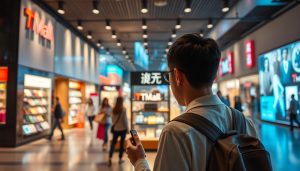
Do you remember when gadget stores felt like museums? They had glass cases with shiny rectangles inside. Employees would recite specs like robots. Now, a Beijing shopping mall is buzzing with excitement. It’s like a geeky playground and a startup’s breakroom combined.
This isn’t Apple’s clean store. It’s where Xiaomi, known for $15 power banks, now sells rice cookers like rare sneakers.
Numbers show Xiaomi’s success: 91% annual phone growth while others stay the same. But the real magic is in retail alchemy. One store in a mall makes 7% of the mall’s revenue, using less space than a Starbucks bathroom. It does this by turning shopping into cultural immersion.
Imagine Costco meets Comic-Con. Shelves are full of everything from viral fitness bands to smart bidets. It’s called “adult Disneyland for gadget lovers.” It’s not just shopping; it’s ecosystem evangelism. People line up for a $105 air purifier like it’s the new Yeezy drop.
While Samsung stores gather dust, this retail revolution is changing the game. When did tech stores become community hubs? Why are millennials treating appliance launches like concert tickets? The answer is experimental commerce. It turns casual browsers into brand zealots.
Store Launch Stories
Xiaomi isn’t just opening stores; they’re creating tech hubs in neighborhoods. They have over 6,000 stores in India and get 48.7% of their sales from outside the country. They’ve turned physical stores into viral spots. But how did they go from being mocked for their pop-up shops to becoming a global retail leader?
From Digital Graveyard to Global Phoenix
Do you remember when Xiaomi left Brazil in 2016? That was a tough lesson for them. But by 2023, they were back with a Trojan Horse tactic. They sold more $10 power banks and $20 earbuds than Apple Watches in Europe. These gadgets are designed to keep customers coming back for more.
India wasn’t conquered—it was won over. Xiaomi’s expansion in India is like a Bollywood movie. They have 1,790 rural Mi Stores and even monsoon-proof charging ports. Their sales reps are also TikTok stars.
They have three key strategies:
- The Power Bank Ploy: 22 million units sold every year—cheaper than Netflix
- Rural ≠ Rustic: Village stores offer EMI plans as smooth as a chai latte
- Fandom Farming: Mi Community forums where fans test products and recruit others
As a result, Xiaomi’s market share grew fast. While others struggle with low smartphone penetration, Xiaomi creates demand through culture. They say, Penetration’s boring—create demand through cultural osmosis.
Sports Events, Gear, & Hype
While Apple watches gather dust and Garmins need frequent charges, Xiaomi’s fitness bands keep going. They survive marathons, monsoons, and even midlife crises. The reason? Xiaomi uses a sports accessories event strategy that gives athletes the same excitement as TikTok stars. They get social media hype and gadgets that make tracking steps feel like a big deal.

Sweat Tech Revolution
Xiaomi didn’t just join the fitness tracker market; they took over. Their Mi Band series now makes up 27% of global wearables shipments, as shown in a smart wearables market analysis. The 60-day battery life is more than just convenient; it’s a way to outlast competitors. Imagine a world where your fitness tracker lasts longer than your motivation.
Madrid’s Marathon Merch Madness
Last year’s Madrid Marathon pop-up was more than a store; it was a sports accessories event that became a cultural hit. Runners could:
- Test AI-powered insoles analyzing gait mid-sprint
- Compete in live leaderboards projected on skyscrapers
- Redeem race times for exclusive merch drops
This led to a 300% surge in Spanish fitness band sales that month. Xiaomi showed that fitness tech can be as desirable as limited-edition sneakers. Their trick? Adding social media hype right into the product. Every band came with AR filters that turned finish-line photos into shareable moments.
Social Media/Offline Integration
Xiaomi has found a way to turn online trends into real-world visits. They’ve managed to make digital excitement lead to physical store visits. This is something even Black Mirror writers would find impressive.
With 300 million MIUI users spending five hours a day on their screens, Xiaomi knows how to grab attention. They use this to their advantage, making people want to visit their stores.
Hashtags to Handshakes
Remember when Twitter was all about roasting celebrities? Xiaomi changed that with their #MiIndia campaigns. They turned online buzz into real-world excitement:
- Flash sales announced through AR filters
- Store-exclusive merch for top campaign contributors
- Live TikTok unboxings triggering same-day store visits
#ShotOnRedmi Reality Distortion
This wasn’t just about showing off cameras. It was a clever trick. When Bollywood star Ranveer Singh posted “Note Kiya Jaye” ads, fans didn’t just share memes. They stood in line outside stores with actual printed memes as tickets.
This made stores into Instagram-worthy spots. It completed the online-to-offline loop.
| Metric | Xiaomi | Industry Average |
|---|---|---|
| Social-to-store conversion | 18% | 6% |
| Campaign shelf life | 47 days | 12 days |
| User-generated content | 2.1M posts | 380K posts |
Their strategy is clear – it creates a pull in retail spaces. Unlike Apple Genius Bars, Xiaomi stores offer experiences that keep people coming back. It’s like a digital addiction.
For more on this, check out this research on digital gravity wells in retail.
Sales Strategy & Community Effect
Xiaomi doesn’t sell products – it stages tech hunger games where loyalty gets you front-row seats to innovation. While Apple fans queue for hardware, Mi fans line up for something far more addictive: co-creation privileges.

Cult Economics 101
The Beijing stores’ 40-60 customers/minute traffic isn’t accidental. It’s the result of a user experience formula that blends:
- Weekly MIUI updates acting as recurring “plot twists”
- Forum suggestions becoming real features within 7 days
- Limited-edition drops with Nintendo-level scarcity mechanics
Remember that drunk user’s fingerprint-activated flashlight idea? Xiaomi’s developers implemented it faster than most companies approve bathroom breaks. This democracy of design creates ownership – why would you buy Samsung’s closed ecosystem when you can literally code your own phone’s features?
Flash Sales: Digital Mosh Pits
Xiaomi’s Friday sales make Ticketmaster queues look orderly. Their secret? Turning FOMO into an Olympic sport:
| Metric | Xiaomi | Typical E-Commerce |
|---|---|---|
| Inventory Release | 3-minute bursts | Continuous stock |
| User Refresh Rate | 18x/second peak | 0.2x/second average |
| Community Hype | Pre-drop meme wars | Generic countdown timers |
The real genius? These frenzies double as fandom engagement R&D labs. Every crashed server teaches engineers about demand forecasting. Each complaint thread becomes a blueprint for next week’s update. It’s capitalism meets crowdsourcing – with better memes.
What to Expect Next
Xiaomi is ready to take on the US market, armed with 5,700 patents and a bold plan. They aim to enter a market dominated by Apple and Qualcomm. But first, they must face patent lawsuits, carrier politics, and the FCC.
American Dreams & Patent Nightmares
Xiaomi’s Brazil expansion didn’t go well, but they’re not giving up on the US. They have a strong patent portfolio, including 5G tech from Qualcomm. But Ericsson is watching, ready to sue.
The first Mi Store in Chicago could be a big deal. But Apple’s lawyers are tough, and the FCC has concerns about Chinese tech. It’s a tough road ahead.
Carrier Wars: 5G Showdown
Xiaomi is trying to outsmart the carriers. They’re working with T-Mobile but avoiding Verizon. But can they compete with Samsung on 5G mmWave?
- 5G spectrum compatibility: Xiaomi’s Achilles’ heel?
- T-Mobile partnership: Disruptor alliance or temporary fling?
- Retail pricing: Will $699 phones survive America’s subsidy addiction?
Xiaomi’s “community-first” retail plan could be a game-changer. Imagine stores that are also 5G gaming centers. It’s a bold move, but it could pay off.
Conclusion
Xiaomi plans to open over 2,000 stores globally by 2024. These aren’t just shops; they’re special places for Mi fans. Here, charging cables are like sacred objects.
While Silicon Valley dreams of virtual malls, Xiaomi focuses on real people. They make gadget launches feel like concerts. Every unboxing video is like a sacred text for fans.
Xiaomi has invested $1B in Indian startups. Their goal is to create a world where all devices talk to each other. Xiaomi’s stores are not just places to buy things; they’re places to find new followers.
Each store acts like a real-life algorithm. It learns what customers want and sends that info back to the company fast. This way, Xiaomi always knows what to stock up on.
Legacy retailers are stuck in the past, but Xiaomi is looking ahead. Their Milan store is a tech wonder, not just a place to buy stuff. It’s a sign of things to come.
Apple might soon offer boba tea at Genius Bars, just like Xiaomi. For Mi fans, the future is already here. And it accepts Alipay.