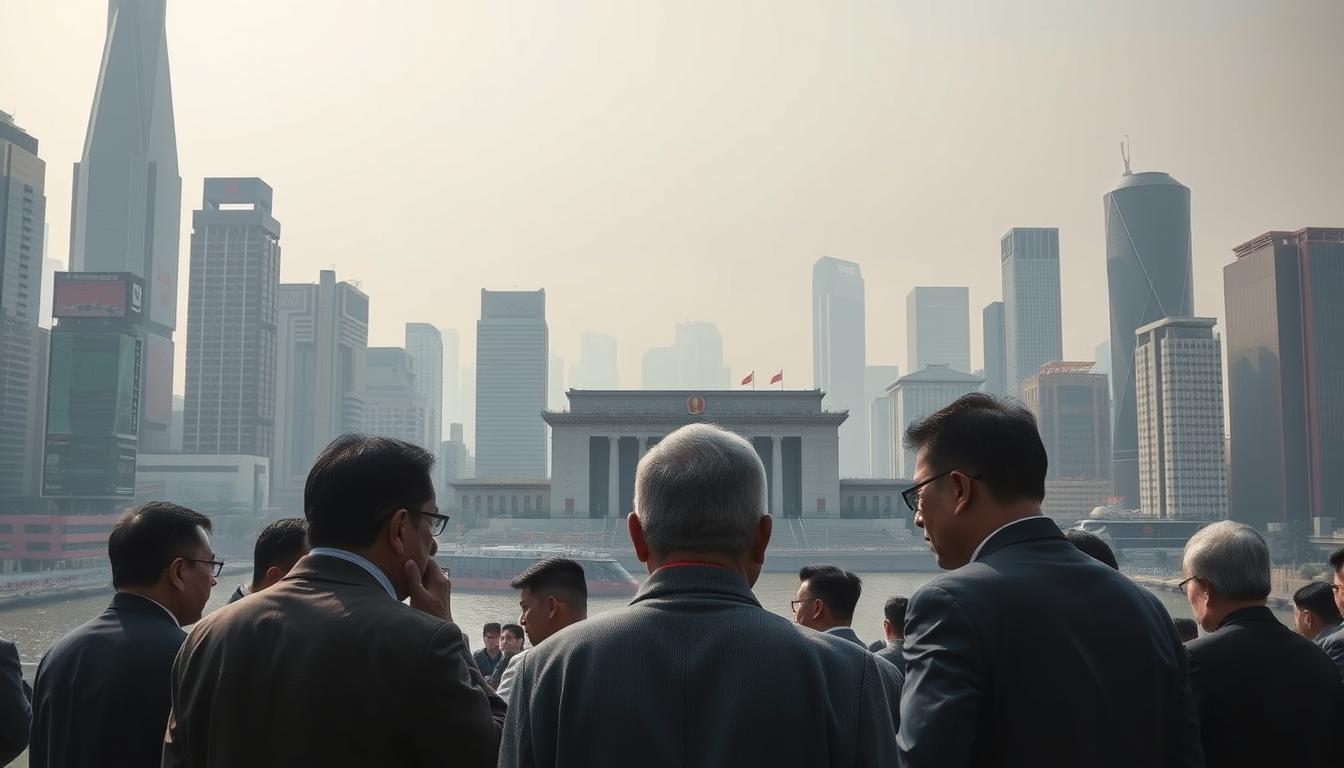
Imagine Silicon Valley’s fast pace meeting Beijing’s strict rules. An app store approval process is like a thorough security check. This clash is changing how 1.4 billion people use digital services.
App stores have become more than just marketplaces. They act as digital border guards, checking for ideological purity. The “clean cyberspace” campaign is about removing dissent, not just cleaning servers. It’s like Orwell’s Ministry of Truth, but with App Store rules.
Western tech giants are caught in the middle. When Apple’s updates match China’s rules quickly, it raises big questions. Are they being practical or helping with digital censorship? The truth is unclear, like Beijing’s smog.
This isn’t just about blocked apps. It’s about controlling digital infrastructure, like energy grids. App stores now manage information flows, with shutdown options. The goal is to make platform control seem like national security.
The Role of Apple, Google, and Chinese Firms
Imagine Silicon Valley meets the Great Firewall: Apple’s App Store in China is a tricky place. Tim Cook has to follow Beijing’s rules closely. At the same time, Tencent is great at pre-censorship, removing content before it’s asked to.
Apple’s app market control in China shows a harsh truth: making money means bending to politics. In 2023, they took down over 1,000 apps, including VPNs and religious tools, as a Tech Transparency Project report shows. Tencent’s WeChat blocks words like “Tiananmen Square” quickly and efficiently.
Google’s absence is telling. They left China in 2010 and now they’re like a tech world mystery. Domestic companies fill the gap, making big tech censorship a key part of their business.
Three main things shape this corporate dance:
- Adaptation: Apple stores iCloud data locally, while Tencent cleans chat histories
- Innovation: Alibaba creates AI content moderators that learn censorship rules fast
- Compartmentalization: Western firms treat China as a separate market, avoiding global PR issues
The outcome? A digital world where foreign companies jump through regulatory hoops. Homegrown players, on the other hand, build walls. Tencent’s revenue from tools for social harmony grows 22% each year. Apple updates its App Review Guidelines, always matching CCP goals.
This isn’t just about app stores. It’s a guide on how authoritarianism profits from technology. When following rules becomes a way to make money, even “Think Different” turns into “Think Compliant.”
Censorship Versus Corporate Values
Imagine a chess match where one player changes the rules in the middle. That’s what tech companies face in China’s app market control. When Beijing orders them to jump, companies must decide how high and fast. They also have to choose which of their ESG promises to ignore.
The sports activism app ban is a clear example. Fitness apps suddenly lost routes faster than a dropped call. Cycling apps erased GPS trails near government buildings. It’s like Peloton hosting a protest, but only your jogging rights get censored.
Corporate mission statements now seem like tragic comedies:
- “Empowering global connectivity” (except when users talk about democracy)
- “Championing health and wellness” (unless your workout route looks like a protest map)
- “Fostering innovation” (maybe in content moderation?)
The energy sector’s playbook is eerily similar. Oil giants promised climate action while drilling in the Arctic. Tech firms now claim to support digital freedom while removing content. When values clash with survival, guess which side gets Xi-ted?
| Corporate Claim | Beijing Reality | User Experience |
|---|---|---|
| Neutral platform | State-aligned filter | Disappearing protest maps |
| User privacy focus | Data localization laws | Workout routes shared with censors |
| Global standards | “Socialist core values” | App features vanishing like morning mist |
This isn’t just about deleted apps. It’s a values decathlon. Companies run towards ethical branding, but face regulatory hurdles as tall as the Great Wall. The goal? A gold medal in cognitive dissonance, with extra points for keeping a straight face at shareholder meetings.
One executive (who definitely isn’t reading this) might say: “Our commitment to free expression is absolute. Unless local laws say so. Which change daily. In 280 characters or less.” The real kicker? Users download these censored apps faster than TikTok clones. It’s a sign of digital resistance, checking your approved step count compulsively.
Protest Map Ban and Sports/Movement Apps
Beijing’s digital game of Whac-A-Mole reached absurd new heights. Marathon runners’ fitness trackers became accidental protest maps. Imagine 20,000 joggers tracing a tank’s shape through Beijing’s streets via Strava heatmaps.
This was a not-so-subtle nod to 1989’s Tiananmen Square. Suddenly, your 5K pace wasn’t just about personal bests. It became a political statement.
The government’s response? A sports activism app ban that makes Wimbledon’s “quiet please” seem lenient. Popular route-sharing platforms now trigger more alerts than a nuclear power plant schematic.
We’re witnessing energy infrastructure-level surveillance applied to step counters. Nothing says “national security threat” like grandma’s tai chi group exceeding 50 people.
Three ways fitness apps morphed into dissent tools:
- Run routes spelling protest slogans in GPS breadcrumbs
- Group hike meetups masking political assemblies
- Heart rate spikes mapping police checkpoint locations
China’s tech regulators now play a twisted version of Pokémon Go. They hunt down protest map apps that turn urban landscapes into canvases for digital resistance. The latest casualty? A cycling app that “mysteriously” stopped tracking routes longer than 6.4 kilometers (the exact distance of the 1989 student march).
| App Name | Primary Use | Unintended Protest Use | Ban Date |
|---|---|---|---|
| FreedomStride | Running Tracker | Mapping protest routes | March 2023 |
| BikeCollective | Cycling Community | Mass ride coordination | August 2022 |
| ZenYoga | Fitness Classes | Crowd size estimation | January 2024 |
This digital cat-and-mouse game reveals an uncomfortable truth. In China’s surveillance state, even your Fitbit achievements contribute to someone’s social credit score calculation. The sports activism app ban isn’t just about controlling dissent. It’s about maintaining the illusion that 1.4 billion people voluntarily choose government-approved exercise routines.
Regulatory Evolution
China’s digital rules change faster than TikTok dances. It’s like building a house on quicksand while the rules keep changing. This is what tech companies face in Beijing’s app market control policies.
The Politburo’s rules are always in beta. They are both “temporary guidelines” and real laws at the same time. It’s like Schrödinger’s cat, always in a state of change.

This constant change is not a mistake. It’s a strategy. Tech companies must keep up to survive. Beijing’s plan is to Announce. Adjust. Entrench. A rule for today can become a strict law tomorrow, quickly.
Three main patterns show how these rules evolve:
- Stealth launches: Big policy changes often start on holiday weekends
- Platform puppetry: App stores enforce state rules
- Retroactive rulemaking: Companies face penalties for past rule breaks
The clever part is making big tech censorship seem like self-regulation. Apple removes apps for “local laws” while Tencent cleans chat groups. It’s all done while regulators say they didn’t order it. It’s a big game of regulatory gaslighting.
This is different from Western tech rules. China’s digital control is fast and strict, like its high-speed rail. The real question is not if the rules will change, but when. And which app will be disappeared next.
Consumer Perspective, Policy, and Pushback
In China, app stores have become battlegrounds for freedom. The Apple protest ban China story shows a clever twist. Apple removed protest map apps but now hosts tools for resistance. It’s like digital jujitsu, using corporate tools against state control.
VPN use in China skyrocketed 12,000% during the 2022 lockdown protests, Sensor Tower data shows. Today, activists are not just avoiding firewalls. They’re creating secret paths right in the open:
- QR code protest art that scans to encrypted chat groups
- Fitness apps tracking “marathon routes” that outline forbidden symbols
- App store reviews doubling as protest coordination boards
The clever part? Activists are using Apple’s own system against it. When Apple removed protest map apps from its China store, users found ways to keep using them:
| Tactic | Countermeasure | Success Rate |
|---|---|---|
| Regional account switching | 82% | High |
| Side-loaded APKs | 67% | Medium |
| Browser-based tools | 91% | Very High |
This digital battle has led to “guerrilla updates” – apps that change fast. An iOS update might block VPNs one day, but new apps appear the next. It’s like a tech evolution, happening in real-time.
The fight is getting fiercer. Last month, a crackdown on encrypted messaging made Signal downloads jump 740% before it was blocked. This shows that in China’s tech war, users are the most innovative fighters.
Global Tech Precedent
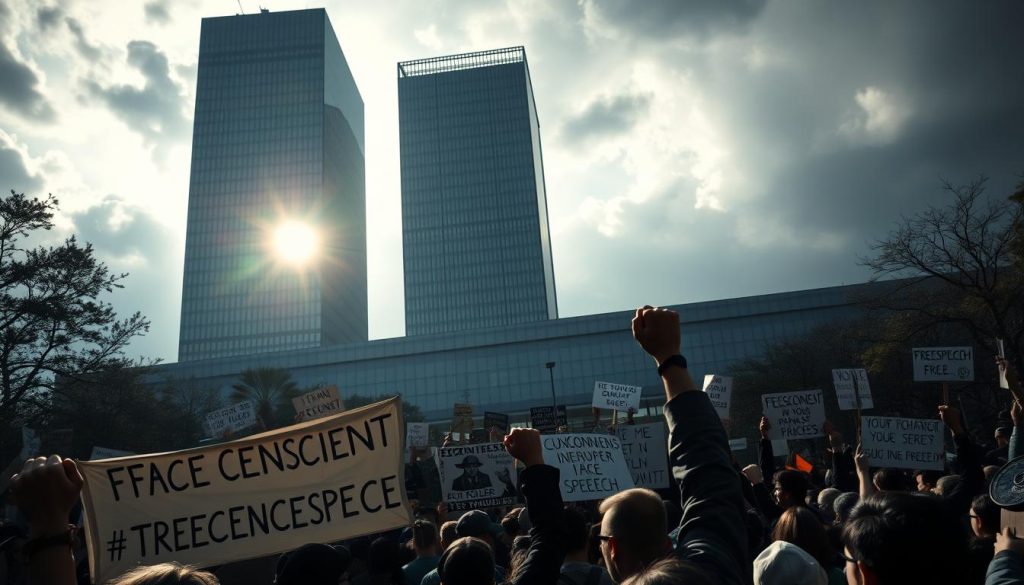
China’s digital censorship moves fast, like TikTok dance trends. It leaves lasting marks. What starts in Beijing today becomes tomorrow’s global compliance handbook. It’s all about “community guidelines” and “user safety.”
Three ways China’s tech policies spread worldwide:
- The App Store Domino Effect: Apple’s removal of Hong Kong protest maps in 2019 set a precedent. Now, tech giants remove content deemed politically sensitive
- Fitness as the New Frontier: The censorship playbook used on Chinese sports apps now targets global platforms. They remove protest-related routes from running maps
- The Corporate Values Tightrope: Western tech CEOs walk a tightrope. They balance human rights talk with making money from authoritarian regimes
This tech transfer creates a paradox. American companies mirror Chinese censorship while talking about digital freedoms. It’s like McDonald’s selling salads but making money from fries.
The sports activism app ban shows this hypocrisy clearly. In 2022, Beijing demanded removal of protest-linked fitness routes. Critics called it draconian. Yet, similar actions happened in 2023 US pipeline protests, just called “combating misinformation.”
Tech policy analysts watch China’s digital rules closely. Recent moves show:
- AI moderation tools for Mandarin will lead global content policing by 2026
- “Protest prevention algorithms” will be standard in urban planning software
- Fitness apps will become surveillance tools worldwide
One Silicon Valley engineer joked: “We used to joke about building a Great Firewall of America. Now we’re doing it – we just call it ‘user experience optimization.'” The real question is how Western tech will market Chinese-style censorship as innovation.
Conclusion
The battle between big tech and China’s censorship shows a harsh truth: digital borders are as strong as physical ones. Apple’s App Store and Google Play are more than just places to buy apps. They are battlegrounds where following rules is more important than being creative.
Tencent’s WeChat and Alibaba’s AliPay show how local apps follow the state’s rules. They remove protest maps and change code to please the government. This isn’t just about managing software; it’s about controlling information.
Beijing sees apps as important resources, like oil or uranium. Each app’s approval is a test of loyalty. This means Silicon Valley’s “move fast” motto has turned into “move slow and follow orders.” The removal of sports apps during important times shows how code is caught in ideological battles.
Global tech companies are stuck in a tough choice: give up their values for access to markets or stand up against censorship. Meta wants to grow in China, and Tesla is sharing data with the government. But Chinese users are finding ways to bypass app controls, using VPNs to escape censorship.
Innovation is the real loser in this fight. Every update must consider political implications, slowing down progress. Western countries are talking about banning TikTok and protecting data, while China shows a scary example of a world where following rules is the main goal. The question remains: Can anyone win in this digital game without losing their integrity?