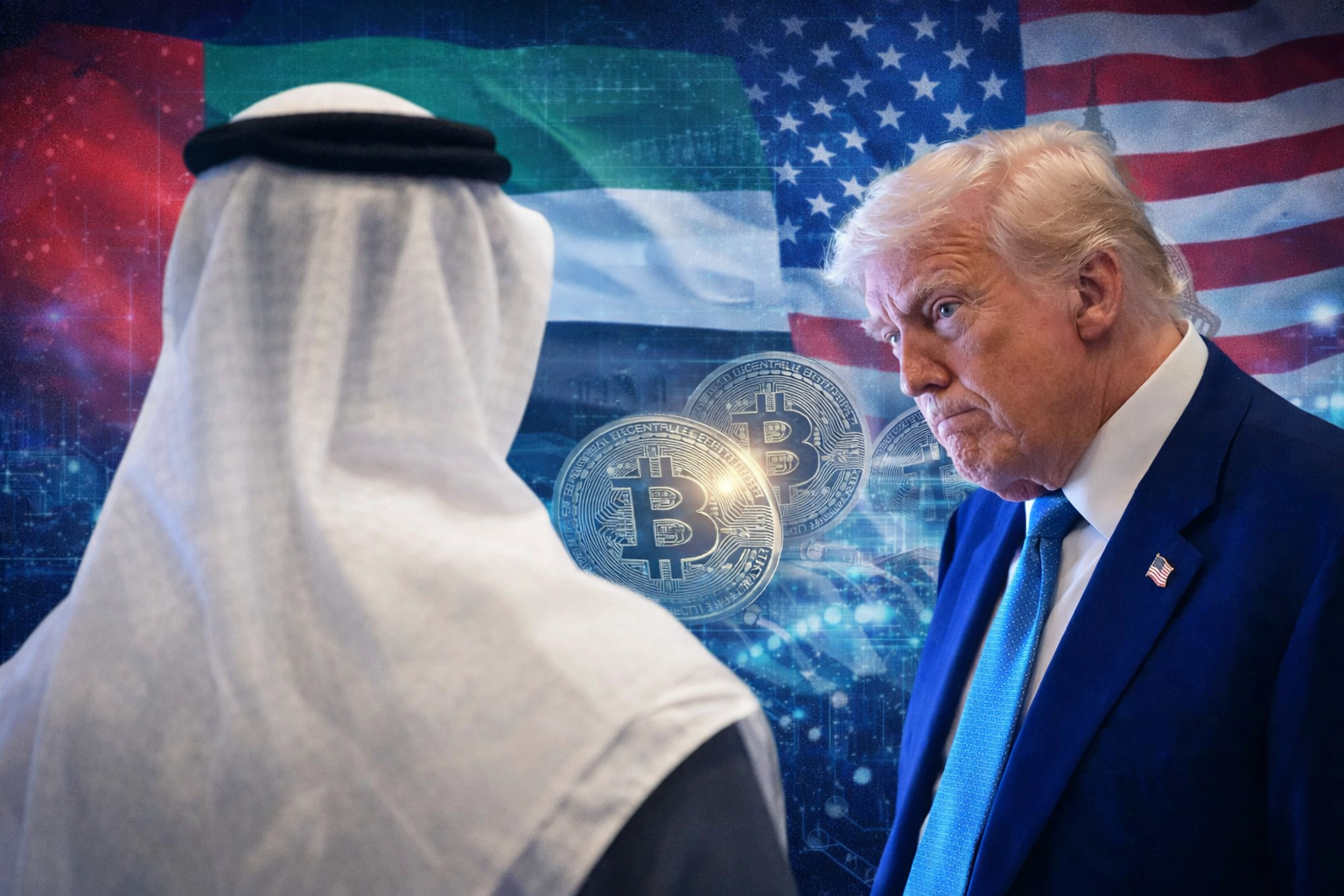
A previously undisclosed deal involving a senior United Arab Emirates royal and the Trump family’s cryptocurrency venture has ignited intense scrutiny from lawmakers and ethics experts. In early 2025, days before President Donald Trump’s second inauguration, an entity backed by Sheikh Tahnoon bin Zayed Al Nahyan — a powerful Emirati leader — quietly acquired a large ownership stake in World Liberty Financial, the Trump family–associated crypto firm, according to The US report.
A Secretive $500 Million Entry into Trump’s Crypto Venture
According to documents and people familiar with the matter, the deal signed in January 2025 gave Sheikh Tahnoon’s investment vehicle roughly 49 % of World Liberty Financial in exchange for about $500 million, almost half of the company’s equity. The contract was executed on behalf of Aryam Investment 1, a firm tied to Tahnoon’s business network, though the transaction was not publicly disclosed at the time.
World Liberty Financial — often branded online with its native token $WLFI and its stablecoin USD1 — was co-founded in 2024 by members of the Trump family alongside real-estate associates including Zach Witkoff, whose father, Steve Witkoff, has served as a Trump envoy to the Middle East.
Legal experts say the investment placed a foreign official in a rare position of influence over a U.S. business linked to a sitting president — an unprecedented scenario in American corporate and political history.
The UAE’s Tech and Geopolitical Strategy
Sheikh Tahnoon, brother to the UAE president and the nation’s national security adviser, has emerged in recent years as a key figure in the Emirates’ global technology and investment push. He chairs major investment vehicles such as G42 and MGX, which collectively oversee investments in artificial intelligence, blockchain, and surveillance technologies valued in the hundreds of billions of dollars — reflecting the UAE’s growing influence across sectors shaping the future of the global crypto industry.
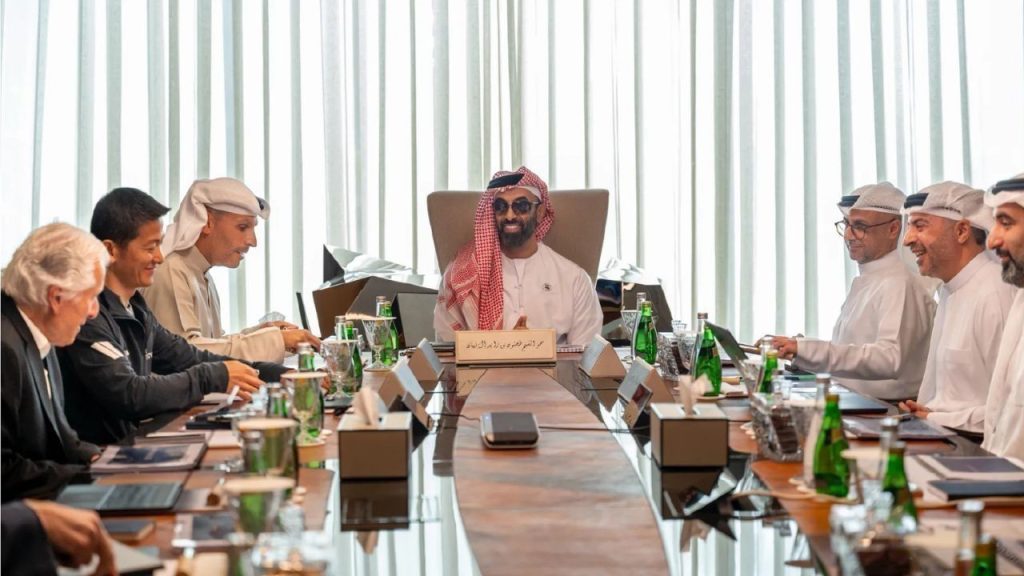
This latest crypto deal fits into a broader pattern of the UAE leveraging financial muscle to secure influence across sectors. Reports from multiple outlets detail how, later in 2025, Tahnoon-linked technology firms negotiated agreements with the U.S. government to import advanced artificial intelligence chips — hardware previously limited due to national security concerns. The timing of these tech policy shifts, coming shortly after the World Liberty investment, has raised eyebrows among lawmakers and tech policy analysts alike.
Conflict of Interest Concerns Mount
Critics argue the combination of foreign investments and policy decisions could pose profound ethical risks. Senator Elizabeth Warren urged a congressional probe following reporting that tied the Emirati investment to shifting U.S. stances on tech exports. She warned that a foreign government official owning a stake in a company tied to the Trump family might breach ethics norms or even constitutional provisions aimed at preventing foreign influence on American officials.
Legal scholars have also pointed to the U.S. Constitution’s emoluments clause, designed to prohibit government officeholders from receiving gifts, payments, or benefits from foreign states without congressional consent. An investment of this scale by a current foreign government leader into a company connected to the president’s family — especially one that taps into the booming digital-asset market — is striking in both its size and timing.
World Liberty Financial’s Rapid Rise and Wider Deals
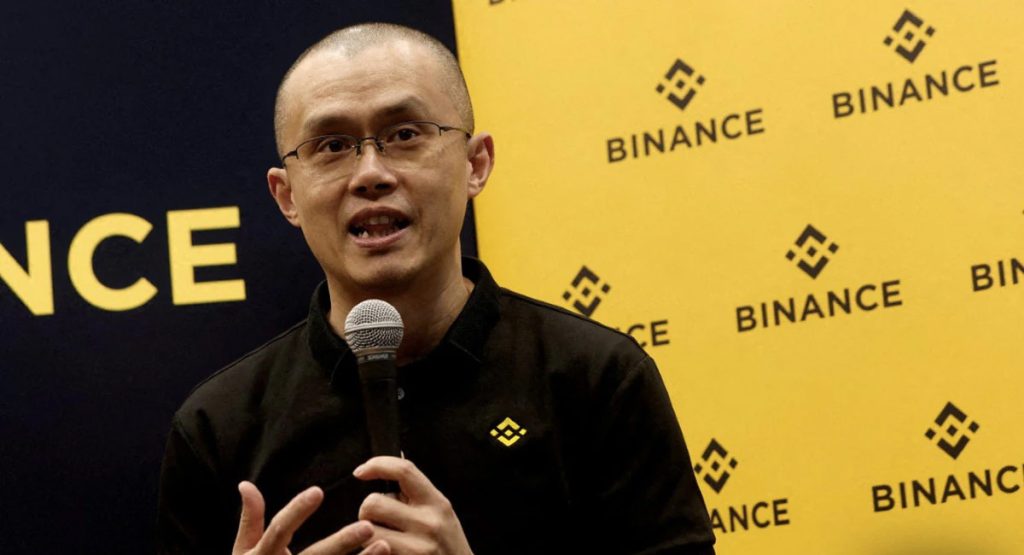
World Liberty Financial exploded into public view after its inception, with the launch of USD1, a dollar-pegged stablecoin that quickly became one of the most widely held digital assets. Far from a niche project, it has been integrated into large international transactions, including an MGX-facilitated $2 billion investment into global crypto exchange Binance — a deal that turned heads due to Binance CEO Changpeng Zhao’s later pardon by President Trump.
The firm’s explosive growth — once anchored by its funding and its political connections — has become emblematic of how digital finance and geopolitics are intertwining in new ways. Analysts say this blend of private wealth, national strategy, and cutting-edge technology could reshape both global finance and U.S. foreign policy for years to come.
Official Responses and Ongoing Debate
World Liberty Financial and White House officials have defended the investment, stating that company capitalization deals are standard for emerging businesses and that no policy decisions were influenced by financial interests. A spokesperson emphasized that President Trump’s assets are placed in a trust overseen by his children, and that no conflicts exist in the administration’s handling of related matters.
However, critics argue these assurances don’t fully address the optics and potential constitutional issues raised by the arrangement. Independent watchdog groups are calling for more transparency, urging the Securities and Exchange Commission, Congress, and ethics bodies to investigate whether safeguards were properly observed or if reforms are needed to prevent foreign stakes in companies linked to U.S. policymakers.
Looking Ahead
As digital assets and artificial intelligence become increasingly central to economic and strategic competition, the World Liberty Financial saga highlights how blurred the lines between public policy and private enterprise can become. With multiple multibillion-dollar deals unfolding concurrently — and questions mounting from both sides of the political aisle — this episode could be a defining moment in how the United States manages foreign investment, technology leadership, and presidential ethics in the digital age.