


The transition from one year to the next brings celebrations, resolutions — and a lot of scheduling questions. When everyone’s making plans and toasts, it’s important to know what’s open, what’s closed, and where services take a holiday break. From Wall Street trading floors to mail carriers on the beat, here’s your complete guide to how New Year’s Eve and New Year’s Day affect business and services in the United States.
Is the U.S. Stock Market Open on New Year’s Eve?
Short answer: Probably, but it depends on the year and the exchange.
In most calendar years, New Year’s Eve (December 31) is not a federal public holiday — which means many markets remain open. Both the New York Stock Exchange (NYSE) and the Nasdaq typically operate on a regular schedule or with early trading sessions on New Year’s Eve, closing a few hours before normal.
For example, in recent years the NYSE and Nasdaq opened in the morning but closed early (often at 1:00 p.m. ET) on December 31 to give traders and staff a head start on celebrations. However, the specific hours vary from year to year, so it’s always wise to check the official exchange holiday calendar or a financial news site like MarketWatch or ESPN.com’s markets section before planning any trades.
💡 Quick tip: Exchange holiday calendars are published well in advance and can be found on the NYSE or Nasdaq websites — and most brokerage platforms also notify customers of holiday hours.
Is the Stock Market Open on New Year’s Day?
No. NYSE and Nasdaq are closed on New Year’s Day — which is a federal holiday in the U.S. This means that regular stock trading does not take place on January 1, and major financial markets remain shut for the entire day.
Financial professionals, investors, and casual traders alike treat this as a non-trading day, similar to other federal holidays like Christmas or Independence Day. Markets resume normal hours the next business day.

Will the Post Office Deliver Mail on New Year’s Eve & New Year’s Day?
The United States Postal Service (USPS) treats New Year’s Day as a federal holiday, so there is no mail delivery or retail service on January 1.
On New Year’s Eve, USPS operates on a regular schedule, meaning mail is delivered and retail counters at post offices are open for normal hours. If you are expecting packages or letters, plan accordingly — anything sent on December 31 may be processed with standard service times and delivered after the holiday.
📦 Important: Specialized services that run on certain holidays (like Amazon or courier deliveries through FedEx and UPS) often have their own schedules — so always check directly with the carrier if timing is critical.
What About Banks and Federal Offices?
Like many federal holidays, New Year’s Day is observed nationwide — which means:
- Federal offices are closed
- Banks are closed
- Social Security offices are closed
- State and local government offices may also close
- Most mortgage and loan customer service offices pause operations
Some banks may offer limited online banking services or app-based support on holidays, but branches are typically shuttered on January 1 — and often close early on New Year’s Eve.
What Happens to Other Financial Markets?
Futures and Options Markets
Futures and options exchanges may follow slightly different holiday schedules. For example:
- Some futures contracts may trade for part of New Year’s Eve but close early
- Other products may halt trading entirely on New Year’s Day
Because derivatives contracts have different cycles and underlying rules, it’s crucial to confirm via your brokerage or the specific exchange (e.g., CME Group, Cboe) whether your product of interest is affected.
Cryptocurrency Markets
Unlike traditional financial markets, cryptocurrency exchanges never close — not for New Year’s Day, not for Independence Day, not for anything. Bitcoin, Ethereum, and other digital assets trade 24/7/365 on platforms like Coinbase, Binance, and Kraken.
That doesn’t mean prices won’t be volatile — holiday periods can see lower liquidity and wider spreads — but there’s no forced closure.
Holiday Travel and Transportation Schedules
While not directly financial, it’s worth noting how public transit and travel services behave:
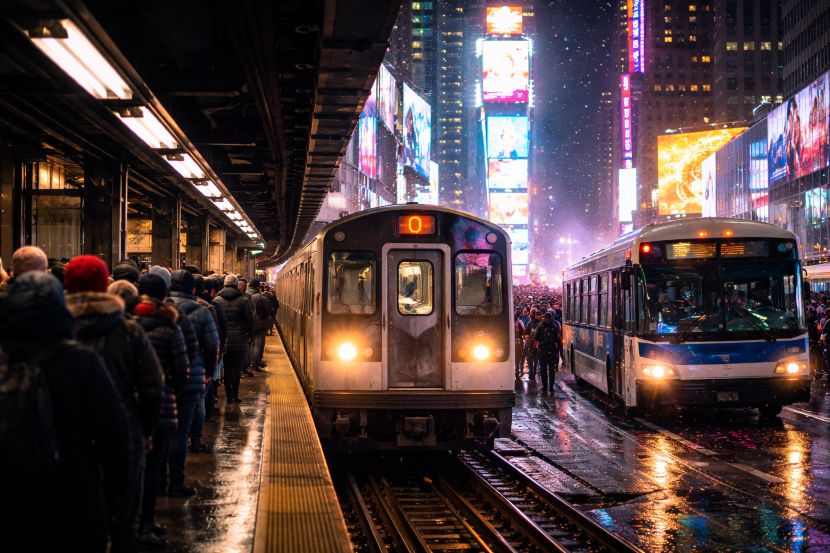
- Amtrak and public transit systems typically run on a holiday or weekend schedule on January 1
- Airports remain operational, though staffing and service levels may vary
- Rideshare services like Uber and Lyft operate normally but may charge holiday pricing
Travelers should plan extra time and check specific carrier sites before departure.
Tips for Planning Around the Holidays
Whether you’re an investor, a small business owner, or just someone with bills to pay and packages to receive, here are some smart scheduling tips:
- Check exchange calendars early.
NYSE, Nasdaq, and other market websites list official holiday hours well in advance. - Schedule trades ahead of time.
If you know markets will be closed on January 1, getting orders in early avoids missed opportunities. - Confirm delivery cutoffs.
USPS and courier services publish deadlines for holiday shipping — and third-party carriers often have their own holiday timetables. - Plan bill payments with cushion time.
Banks and payment processors may post holiday delays.
Looking Ahead: Planning for 2026
As the calendar flips, many people treat the week between New Year’s Eve and early January as a planning reset — a perfect opportunity to review financial goals, set new strategies, and align portfolios. Just remember that markets and services operate on holiday schedules, so fit your decisions around closures to avoid surprises.
In the world of finance and consumer services, the holidays don’t stop everything — they just slow some things down. Knowing when and how key institutions operate helps you stay one step ahead.


