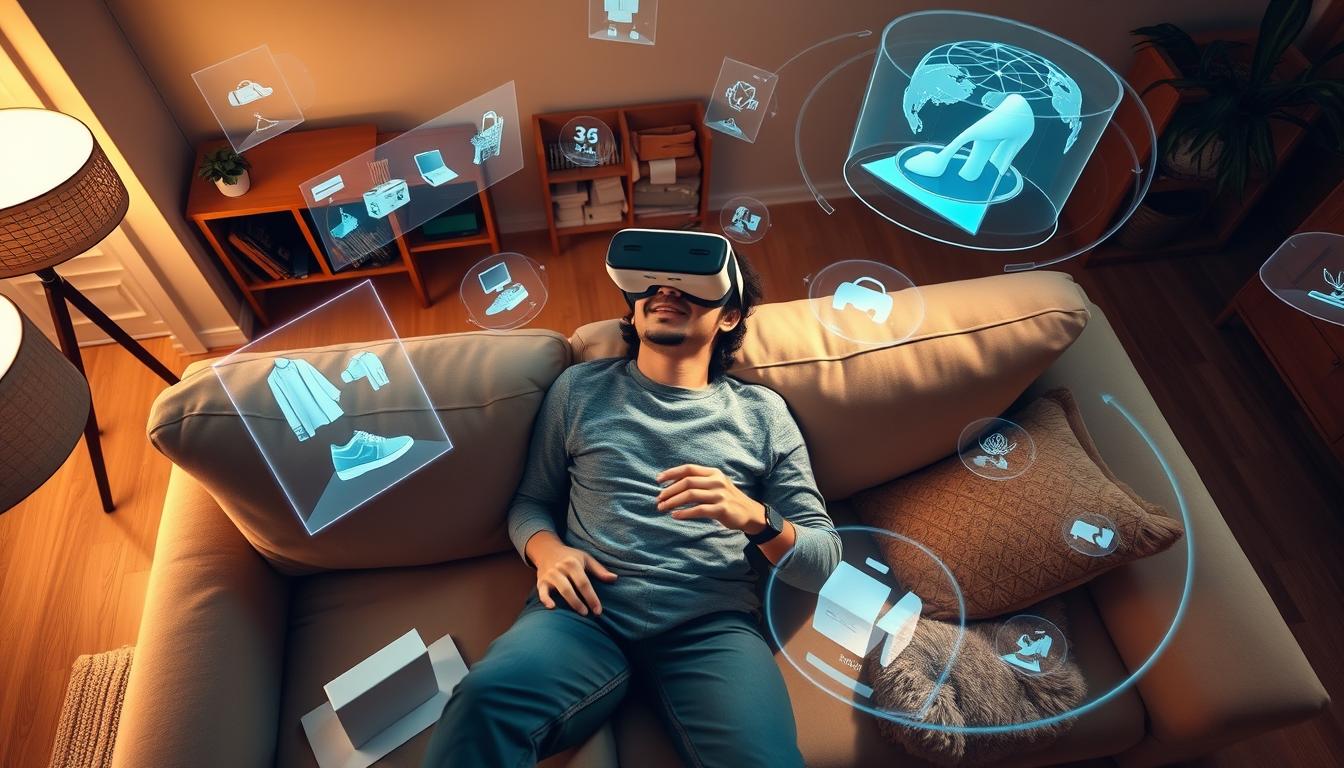
Remember when Black Mirror episodes seemed like tech nightmares? Season 6 is now a reality in Shanghai. Imagine shopping for virtual produce while watching Netflix, feeling avocados digitally. This is retail’s ultimate beta test, accelerated by lockdowns.
Three years ago, buying lettuce through a headset was laughed at. Now, Taobao Live’s livestreams draw 250 million viewers. That’s 75% of the U.S. population debating melon ripeness online. The pandemic boosted our online shopping habits.
The market size is $600 billion, making wallets tremble. But what’s more interesting is how quickly we accepted it. “Zoom fatigue” is forgotten, replaced by grandmas haggling with AI shopkeepers in digital markets. Amazon Fresh’s growth seems small compared to livestream hosts selling out rice cookers.
This isn’t just shopping. It’s retail-as-entertainment, mixing TikTok’s energy with QVC’s persistence. We’re not just adapting to this future. We’re embracing it at an incredible pace, like a K-drama.
VR Malls: How They Work
Imagine walking into a store where clothes change to fit your style and mirrors give fashion tips. You pay before you even reach for your wallet. It’s not from Minority Report—it’s everyday life in Shenzhen. Welcome to algorithmic retail, where every move is tracked.
Alibaba’s FashionAI mirrors check your face to suggest clothes that match your LinkedIn photo. JD.com’s drones plan delivery routes so well, they could beat Tokyo’s rush hour. And those friendly virtual helpers? They watch your blink rate to see if you’ll buy fancy soy products.
The Tech Behind the Curtain
Now, let’s look at the magic. Beacon signals buzz your phone like excited dogs, and smart carts add up items like a math whiz. AI doesn’t just suggest products—it curates your life choices. (“Do I need a ¥8,000 tea set? The algorithm says yes.”)
From Beacon Signals to Virtual Dressing Rooms
Trying on clothes without taking off your clothes? It’s real. Modern systems track 28 body points to show how clothes fit. But remember, when a mirror says you look great, it’s pushing you to spend more. The future of shopping is smart, but a bit sneaky.
Shopping for Sports Gear and Health Tech
Remember when “working out” meant just wearing sneakers? Now, it’s all about virtual shopping. You can find sports gear online, with AI coaches watching your every move. Why bother with physical stores when tech can show you exactly what you need?
The pandemic made us all fitness fanatics. We now have yoga mats that can pay for things and live martial arts classes online. One big tech company saw its smart gear sales jump by 217% last quarter. It shows we’re willing to pay more to avoid crowded gyms.
Peloton’s stock fell, but apps like Keep are doing great. They mix SoulCycle with Amazon, letting you buy things right in your workout. Now, you can even buy a mat while you’re doing yoga. It’s all about making shopping a part of your fitness routine.
This isn’t just about buying things. It’s a clever trick to make us spend more. It uses our guilt about not exercising to get us to buy more. The real challenge is resisting the urge to buy more stuff while you’re working out.
User Experience: The Pros & Cons
Ever tried ordering takeout through a voice assistant and got something you didn’t want? Modern e-commerce trends aim for easy shopping, but sometimes they surprise us. Algorithms can quickly compare many products, but they can also miss the point.
Studies show that new tech can sometimes cause more problems. For example, online shopping mistakes have gone up 300% with new interfaces. It’s like your smart fridge buying pickled ginger for years because it thought you wanted sushi.
Our goal for effortless consumption keeps leading to new challenges. It’s a never-ending cycle.
The Convenience Paradox
Some people think new tech makes shopping easier for everyone. But others say it can push people away with too many errors. Where do we draw the line between good tech and too much?
The key might be to remember that even the smartest tech needs limits. This way, it won’t get too carried away.
Brands Adapting to Digital Trends
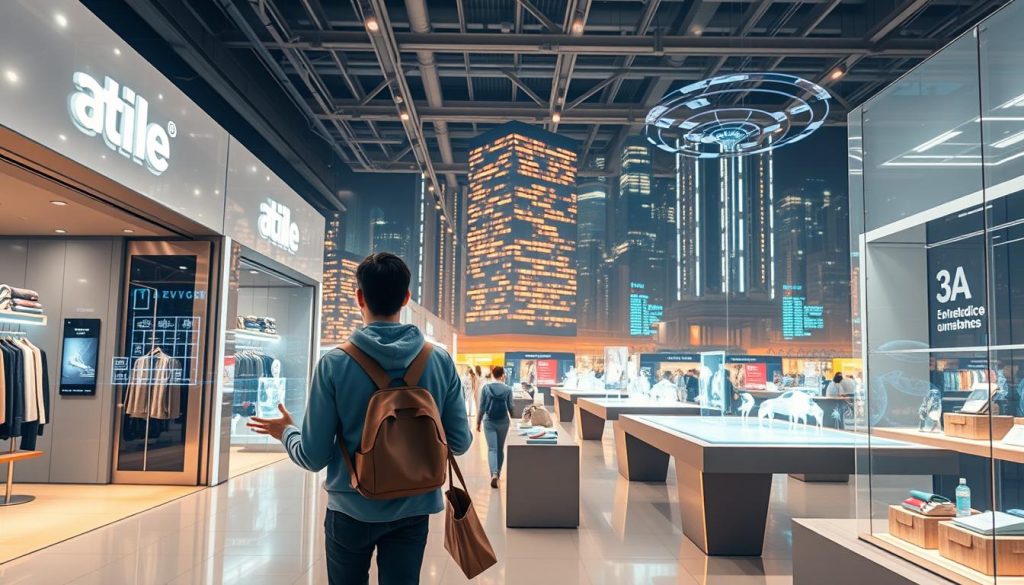
Imagine your local shop now takes cryptocurrency, and your favorite sneaker brand sells limited editions through blockchain-powered vending machines. Welcome to digital retail’s exciting change. Legacy brands are not just surviving; they’re leading the tech revolution. Even a Qing Dynasty tea merchant just outsold Amazon Prime.
From State-Run Stores to Virtual Pop-Ups
Nike bought RTFKT, not just for digital sneakers. They’re building a metaverse monopoly. Li-Ning’s blockchain shoes crashed networks like a crypto crash. Who needs TikTok when you have a holographic Ming Dynasty merchant?
The NFT Grocery Cart Revolution
A 300-year-old vinegar brand beat Coke in augmented reality stores. Their secret? Ancestral avatars selling products like it’s 1724. Great-great-great-grandpa Zhou is now demoing black vinegar through your Oculus.
This isn’t just about tech. It’s retail’s existential upgrade. Walmart debates self-checkout, but heritage brands host virtual tea ceremonies. In digital retail, the past is not just present; it’s got better marketing.
Logistics and Payment Integration
Imagine ordering fresh lobster online and seeing drones deliver it right to your door. This isn’t fantasy; it’s everyday life in Shenzhen. Frictionless payments and military-grade logistics have made shopping seamless. You won’t even notice the time between adding items to your cart and checking out.
When Drones Meet Digital Yuan
JD.com’s seafood delivery is quicker than New York pizza. Their secret? Autonomous trucks leave warehouses as soon as you click on a product. By the time you pay with facial recognition, your delivery is already on its way.
A study on last-mile delivery shows this method cuts down on buyer’s remorse by 62%. That’s because there’s no time to change your mind.
The 15-Minute Delivery Arms Race
These systems change how we shop. With faster delivery times, impulse buys go up. Imagine trying on virtual sunglasses in a VR mall and paying with a blink. Then, you hear drones outside before you even take off the headset.
The real magic is in the tech behind it. Machine learning predicts demand based on social media, weather, and even subway data. Your late-night snack craving? It’s already packed and on its way in an autonomous van. Trying to resist is almost impossible.
The Future of VR Retail
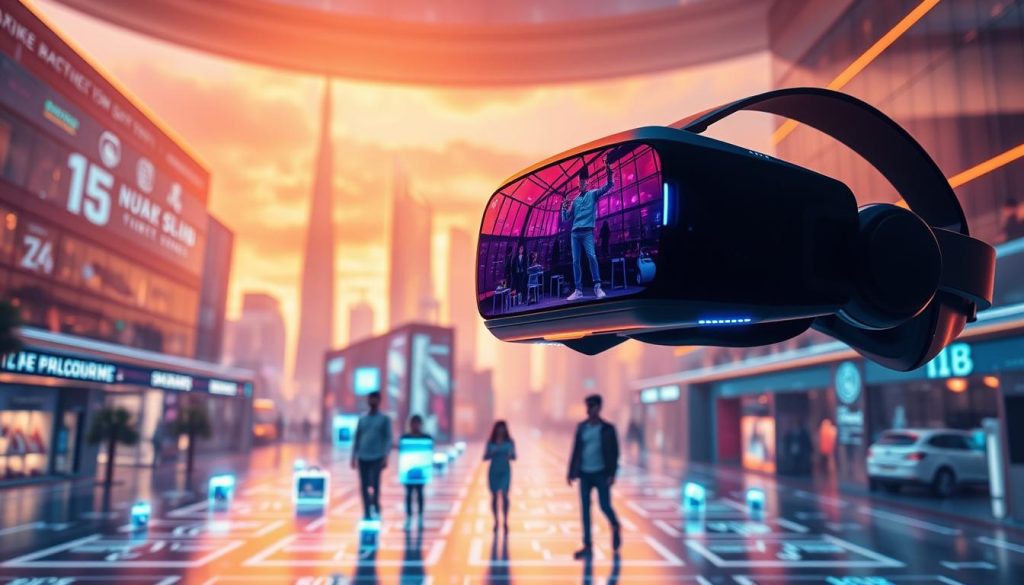
Remember when “hands-free shopping” meant forgetting your reusable bags? Buckle up. The next retail revolution isn’t about what you click—it’s about what you think. Imagine algorithms so intuitive they’ll suggest ramen before you realize you’re stressed. Your grocery list is about to become a dopamine-driven checklist.
Brain-Interface Shopping by 2030?
Alibaba’s testing emotion-recognition tech that pairs cortisol spikes with cookie dough recommendations. Think Minority Report, but with snackable outcomes. Tencent’s building virtual supermarkets where your friends’ avatars judge your kale choices. ByteDance? They’re weaponizing TikTok scroll-habits—like a cat video that auto-fills your cart with organic catnip.
The irony? As cookies crumble, data hunger grows. These platforms aren’t just predicting desires—they’re manufacturing them. Your stress snack? Now a strategic product placement. That impulse to share a #haul video? Engineered FOMO, served neural-net style.
This isn’t shopping. It’s behavioral chess. And checkmate looks like your credit card number memorized by an AI that knows you’ll cave before the third scroll.
The Virtual Checkout Line
China’s VR shopping is a leap ahead of Amazon’s drone plans. While Americans ponder buying on TikTok Shop, Alibaba’s VR supermarkets already mimic real shopping. They show how digital carts can feel as real as the real thing.
Beijing’s love for digital shopping shows us something. Physical stores are now just memories. VR lets you shop for Olympic gear while doing tai chi in your PJs. Studies show people choose more unusual items online, like Tencent’s AI sneakers and ByteDance’s algorithm-made protein powder.
Western retailers are at a turning point. Can Walmart’s app compete with Pinduoduo’s virtual pop-ups? Chinese shoppers use digital yuan, while Americans struggle with Apple Pay. It’s not just about technology, but changing how we shop.
VR is changing how we shop, not just mimicking it. Why go to a store when your headset knows you want seaweed chips? China is ahead, playing a game of 4D chess while we’re stuck in 2D apps. Remember, Shanghai teens can order groceries through WeChat.
Soon, we’ll look back on today’s shopping as ancient. We’ll use 2024 VR headsets as museum pieces. We’ll tell stories of a time when choosing between brands was all we had. The future is deeper, reaching our retinas.