Imagine a place where high-end fashion meets pumpkin AR avatars. Livestream shopping happens quicker than the stock market. This is the digital paradox changing the world – an app loved and banned in different parts of the world.
What started as a dance video app now controls 600 million users’ minds. Research shows Gen Z’s shopping habits are the same everywhere, thanks to similar apps. Louis Vuitton and Balenciaga are just starting to tap into this global trend.
This is more than just a platform. It’s a way to shape culture on a massive scale. The magic lies in its mix of shopping and sharing thoughts. Dior’s 2018 launch wasn’t just about selling. It was about connecting with people in a new way.
So, why should Silicon Valley pay attention? The same trends that made Shanghai’s fashion week huge are now changing American shopping. The real question is, what’s next in this digital journey?
Douyin’s Rise & Core Features
Remember when social media was all about cat videos and awkward dance moves? Douyin, China’s version of TikTok, has turned into a top e-commerce video site. Here, luxury items and viral fitness trends live side by side. Its algorithm controls what you see, making 40 million high-net-worth users scroll endlessly.
Douyin’s journey from a meme site to a major player in e-commerce is fascinating. It’s all thanks to three key factors:
- Endless novelty: AR filters like Yayoi Kusama’s infinity rooms got 150 million interactions, showing people love interactive brand experiences
- Frictionless spending: Cartier’s #TempleTour campaign mixed history with shopping, turning museums into malls
- Algorithmic clairvoyance: Want to see sneaker unboxing videos at midnight? By morning, you’re shopping Gucci’s latest collection
So, what makes Douyin’s viral trends so popular? It’s how the platform turns cultural moments into big sales. Prada’s livestream of models tripping over banana peels was a huge hit. It not only broke the internet but also sales records.
The comment section became a virtual focus group. Users voted with emojis on which designs to produce next.
This isn’t just social media – it’s social alchemy. Douyin’s genius lies in making every scroll a treasure hunt. You might find enlightenment about Ming Dynasty jewelry or the perfect cat-ear filter for your next Zoom meeting.
Sports and Fitness Challenges
Fitness influencers have turned into viral stars. Douyin’s algorithm turned living rooms into fitness studios. Now, people earn likes instead of reps.
Remember when working out meant actually breaking a sweat? Now, it’s about creating the most creative #plankchallenge.
The platform’s Beijing Winter Olympics blitz made Peloton look old-fashioned. Luxury brands like Prada teamed up with ice dancers. They designed collections that sold out fast.
Unboxing $800 ski goggles became patriotic. It’s about looking fabulous while falling on black diamond slopes.
Let’s look at three game-changing campaigns:
| Campaign | Brand | Engagement Boost | Key Innovation |
|---|---|---|---|
| #WinterWarriorChallenge | Anta Sports | 18M+ creations | Augmented reality ski filters |
| look (Women’s Football Style) | Douyin Creator Fund | 42% merch sales spike | User-generated jersey designs |
| Luxury Lift Challenge | Prada | 9.3M shares | Olympians as co-designers |
Notice the pattern? Every rep becomes content. Every burpee births a meme. Users aren’t just exercising – they’re auditioning for roles as brand ambassadors and cultural commentators.
This isn’t fitness. It’s performative wellness – where sweat-soaked selfies matter more than heart rate zones. Brands now compete to create challenges that blend cultural motifs with shareable agony.
Douyin’s real innovation? Turning fan engagement into a contact sport. When users debate Gucci’s limited-edition yoga mats, they’re not just shopping – they’re defending Chinese design supremacy.
Livestream Commerce Ecosystem
Imagine a shopping network that’s like a game show and a runway. Welcome to Douyin’s commerce revolution. When Saint Laurent grows its followers by 78% through influencer marketing, we know we’ve moved beyond old e-commerce. It’s not just scrolling; it’s like speed dating with algorithms, where Balmain’s creative director becomes your stylist.
- FOMO engineering: Limited-time offers flash like strobe lights during Louis Vuitton streams
- AR assimilation: Virtual try-ons that make Snapchat filters look like cave paintings
- Follow-button alchemy: Convert casual viewers into brand disciples mid-scroll
| Metric | Traditional E-Commerce | Douyin Livestream |
|---|---|---|
| Conversion Rate | 2-3% | 17-25% |
| Average View Time | 45 seconds | 28 minutes |
| Follower Growth/Month | 1.2% | 14.8% |
Loewe’s 10K-per-stream follower conversion isn’t a coincidence. It’s influencer marketing that hits the dopamine spot. Hosts analyze comments in real-time, like traders watching stock prices. When a luxury handbag appears on your screen via AR, saying no is a financial mistake.
The real magic is Douyin’s algorithm. It doesn’t just suggest products; it matches brands with consumers. Your late-night scroll through fitness gear might lead to a personal training session with Nike’s China ambassador. It’s like QVC, but with Oprah and your credit score.
Viral Content and Pop Culture
Why watch a music video when you can stream Bulgari’s serpentine saga? Douyin changes the game by making product launches exciting. It uses a content lab model to create cultural moments fast.
Cartier’s three-screen temple tour showed off jewelry in a new way. Bulgari’s snake streams beat out new idol debuts. These shows show Douyin’s attention economy truth: products are part of bigger stories.
Now, top brands act like Netflix, using:
- Micro-series with twists like Chinese dramas
- AR filters making users brand ambassadors
- Livestream “finales” with special drops
| Strategy | Traditional Approach | Douyin Era | Engagement Lift |
|---|---|---|---|
| Product Launch | Press conference + magazine ads | 8-part mini-series with cliffhangers | +400% shares |
| Brand Storytelling | Heritage documentaries | Interactive choose-your-own-adventure | +230% watch time |
| Customer Journey | Boutique visits | Virtual try-ons → live chat checkout | +175% conversions |
This isn’t just marketing – it’s cultural arbitrage. Brands that get Douyin right don’t just sell products; they create buzz. The key? Your CMO should think like a TikTok-obsessed showrunner.
But there’s a catch. Virality needs constant new ideas – yesterday’s hits are today’s old news. Successful digital branding means creating ongoing stories, not just ads. Does your brand have enough surprises?
Brand Integration and Sponsorships
In Douyin, brand partnerships are like high-stakes eSports tournaments. Every click is a power-up. Luxury brands like Fendi treat influencer unboxings as grand events, adding VR showrooms to KOL testimonials.
Gucci’s AR sticker campaigns are more than filters. They’re easy checkout lanes in disguise.
Hugo Boss grew followers by 400% with demographic-specific sub-accounts. They have a Gen-Z channel for skateboard edits and a millennial feed for #OfficeOOTD carousels. It’s not just segmentation—it’s cultural hacking.
Why does this work? Three reasons:
- Attention spans here expire faster than milk—brands must deliver value in 0-3 seconds
- Algorithmic favor requires content that users want to engage with, not skip
- Every interaction is a data point feeding China’s consumer behavior AI
| Tactic | Traditional Platform | Douyin Adaptation | Engagement Lift |
|---|---|---|---|
| Product Reveals | Press releases | KOL treasure hunts | 320% |
| Customer Journeys | Website funnels | AR try-on → Live buy | 490% |
| Brand Loyalty | Email campaigns | Challenge-based badges | 610% |
Douyin’s fan engagement is unmatched. Xiaomi’s drone launch via scavenger hunt filters had users spend 19,000 years(!) looking for promo codes. That’s not marketing—it’s occupying mental real estate.
The key is to treat every pixel like prime Times Square billboard space. In China’s attention economy, even the background wallpaper needs ROI justification.
Regulatory and Censorship Issues
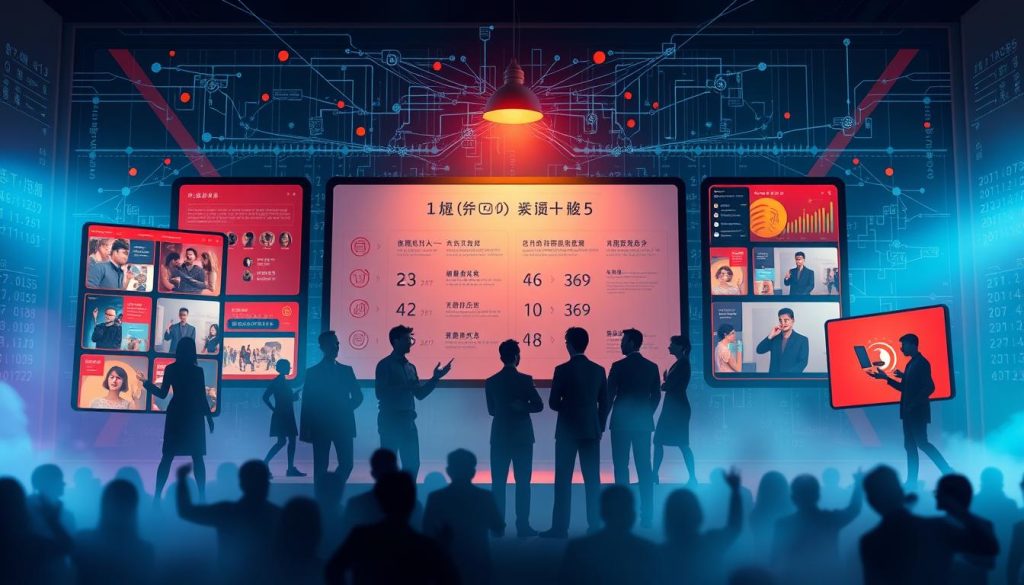
Imagine a world where Louis Vuitton’s augmented reality filters battle AI content scrubbers in real-time – welcome to Douyin’s regulatory Thunderdome. As I scroll through Beijing’s meticulously curated viral challenges, I wonder: Can algorithmic “cultural tracks” survive when caught between China’s Great Firewall and Western privacy panic attacks?
Bryce Whitwam’s research reveals the core conflict – verification versus vibes. China’s system demands government-ID-linked accounts and real-name authentication, while Western platforms bank on emotional trust metrics (read: heart-eye emojis as currency). The table below shows why this clash matters:
| Factor | China’s Approach | Western Model |
|---|---|---|
| Identity Verification | Mandatory government ID linkage | Optional email/social media signup |
| Content Moderation | 1.2 million censorship keywords (2025 Cyberspace Admin data) | Community guidelines + user reporting |
| Cultural Priority | Social stability through harmony | Individual expression as default |
This regulatory rift creates surreal corporate tightropes. Luxury brands deploy AR filters celebrating Chinese New Year dragons, while simultaneously triggering automated takedowns for “cultural insensitivity.” It’s like watching digital diplomats negotiate meme treaties during a TikTok dance-off.
The real kicker? Platform governance now dictates which viral trends cross borders. When Douyin’s moderation bots block a yoga challenge for showing too much midriff, they’re not just filtering content – they’re rewiring global cultural exchange. U.S. lawmakers fret about data harvesting while reposting banned Chinese lip-sync videos on their campaign accounts.
As I test Douyin’s latest “patriotic education” filters (which miraculously make my selfies resemble revolutionary posters), the future becomes clear. Content moderation isn’t just about removing posts – it’s the new arms race in soft power. The question isn’t whether platforms can balance these forces, but which government will first weaponize dancing cat videos as geopolitical leverage.
The Future for Short Video
The next big thing in short video isn’t on your phone. It’s in the metaverse’s Forbidden City. ByteDance’s PICO VR headsets are already making luxury try-ons feel like Black Mirror episodes. Imagine trying on Cartier rings while your digital twin judges your choices with AI precision. Spoiler: The AI always wins.
Bulgari shows the power of Douyin’s AR filters. Last quarter, 90% of new customers found products through them. Physical stores are now Instagrammable AR installations. The only real thing is the cost to your wallet. Why have a store in Manhattan when you can project one to the moon?
The real magic is in data transformation. Every virtual try-on or sneaker customization helps Douyin suggest better products. Soon, your avatar will shop for you while you sleep. It will pick outfits based on your fitness tracker data. “You blinked at Gucci ads 0.3 seconds longer yesterday—here’s a matching virtual handbag.”
But here’s the twist: VR headsets are getting smaller, making the line between scrolling and living blur. Will Gen Z care if their Balenciaga jacket is real or virtual? Douyin’s answer: Why not both? The app is testing hybrid drops where limited NFTs unlock real item purchases. It’s not just commerce—it’s a cultural heist.
One question remains: When your digital twin shops better than you, what’s left for reality? Grab your headset. The future is here, and it has a 15-second unskippable ad.
Conclusion
Douyin’s scroll-happy interface now shapes what we call culture. From morning yoga to midnight sneaker drops, it’s all about the scroll. Gucci’s huge follower jump after AR try-ons shows how luxury brands work with algorithms.
Gen Z’s rituals, like filming basketball in Dunkin’ lots, show more than just fun. They’re about authenticity and being judged by others. Henry Jenkins called this participatory culture. I see it as reality TV where everyone is both a contestant and a judge.
The platform’s censorship boards act as accidental editors. They cut content, like Burbn becoming Instagram. Brands that survive see moderation as a chance to shine, like Nike’s parkour campaigns.
Imagine Olympics where viral backflips win over skill. Or political debates judged by how well they’re stitched together. Douyin’s already setting the stage, with short clips deciding sports contracts and music hits.
The big question is not if you’ll adapt. It’s if your brand can keep up with ByteDance’s fast pace. The race started years ago. Check your follower count – are you leading or falling behind?