Remember when “opening weekend” meant long lines for popcorn, not buffering screens? In January 2020, Wuhan’s lockdown turned homes into isolation zones. Bytedance then spent $90 million on Lost in Russia, a move like selling snorkels during a tsunami. Just three days later, 600 million people watched it on Douyin, not in theaters.
China’s lockdown didn’t just cancel movie nights; it wiped out the movie industry. While Hollywood debated delayed releases, people in Shanghai were having their own movie nights. They even had awards for Best Actor in a Bathrobe and Best Supporting Mop.
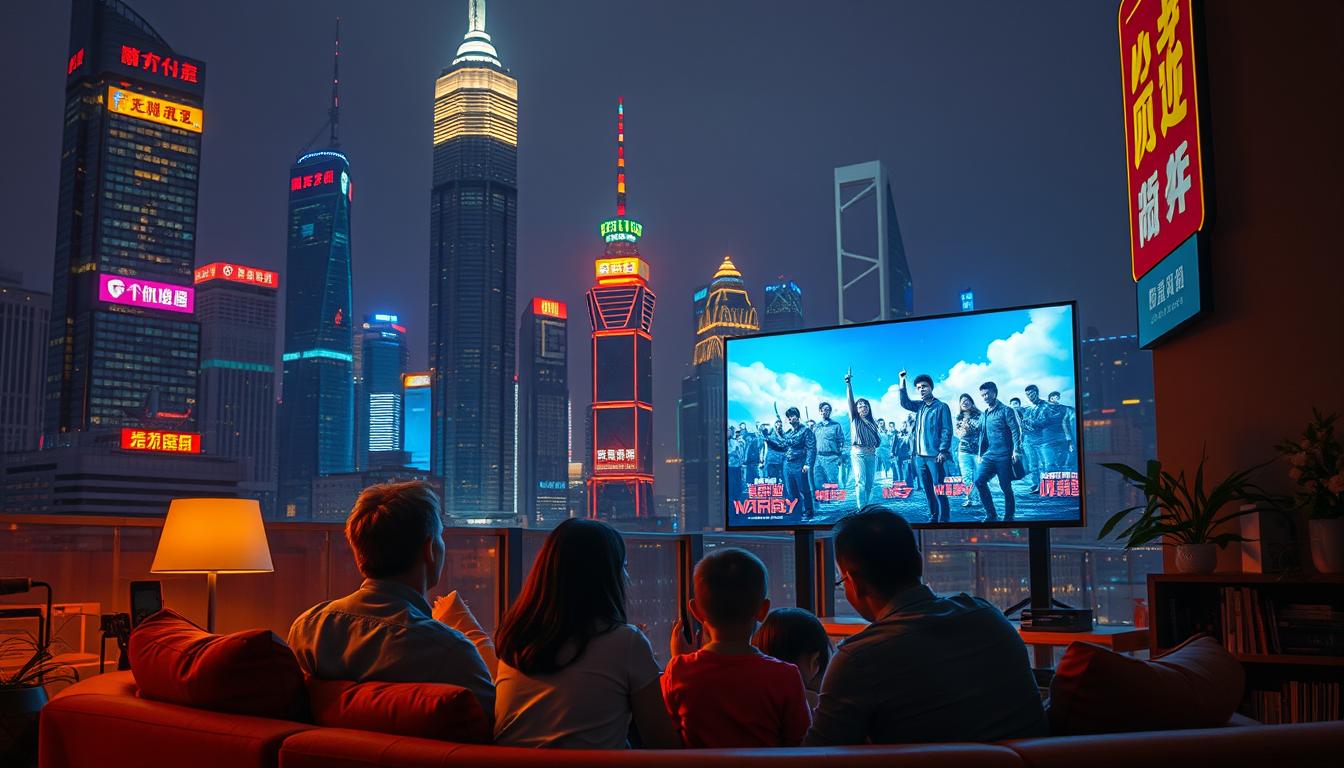
This wasn’t just adapting to the situation. It was a cultural shift. Digital platforms turned into virtual cinemas. Film streaming apps China users became premium subscribers, deciding who won Oscars from their couches. Who needs red carpets when you can have pajama premieres?
The numbers show the gamble paid off. As U.S. studios asked for $30 for Mulan remakes, China showed a new way. When stuck at home, people prefer algorithm-driven watch parties over big screens. The revolution wasn’t on TV; it was online.
The Pandemic and Closed Theaters
Imagine canceling Thanksgiving dinner and Black Friday shopping. Now, imagine this happening to 1.4 billion people. Lunar New Year cinema trips, a big tradition, suddenly stopped.
By March 2020, over 2,300 screens went dark forever. The $4.2B revenue drop was huge. It was like deleting Hollywood’s entire 2019 box office. Twice.
Wanda’s COVID-19 film strategy was to build more theaters. But with no people, it was like building a waterslide in the desert. Their plans were like trying to fix the Titanic while zombies roam.
Studios quickly moved to digital premieres. Suddenly, movies played in homes, not theaters. Cinemas were empty, with only a few people watching.
This was more than just a change. It was a complete shift. The industry faced a huge question: How to sell tickets in an empty town?
Movie Premiere on TikTok/Douyin
Imagine a movie premiere where the red carpet is replaced by endless scrolling. Lost in Russia made its debut on smartphones, not theaters. It changed how we watch movies.
Now, 76% of Gen Z watches movies on small devices. This is thanks to a study by Yaqoub. Bytedance made content more engaging with challenges and duets.
Studios wrote a letter, calling it “vandalism.” But creators knew the truth. When your audience watches vertical videos, do you need IMAX?
This isn’t about replacing theaters with apps. It’s about how stories change fast online. Can old-school cinema keep up with TikTok, or will it fade away?
The Rise of Popcorn Apps
Imagine scrolling through content so addictive it makes TikTok look like PBS. Welcome to China’s digital premieres battleground, where iQiyi, Tencent Video, and Bilibili rule. They use algorithms and 2+ hour daily viewer binges. This isn’t just entertainment—it’s psychological warfare wrapped in 4K resolution.
Take iQiyi’s acquisition of “Enter the Fat Dragon”. It turned a niche kung fu comedy into a subscriber magnet. Their secret? Content curation sharper than a Beijing street vendor’s haggling skills. These platforms don’t just recommend movies; they predict cultural cravings before audiences finish their first bag of microwave popcorn.
What keeps users glued? A surging snack economy paired with MBA-level retention tactics. Bilibili’s anime marathons become dopamine slot machines. Tencent’s interactive dramas turn viewers into co-writers. It’s no coincidence that popcorn sales spike during prime streaming hours—these platforms engineer need, not just demand.
The real plot twist? This isn’t about screens. It’s about rewriting the rules of film distribution China style—where every click fuels a $13.5 billion snack industry and reshapes how stories get told. Pass the butter, please.
Sports Documentaries & Special Releases
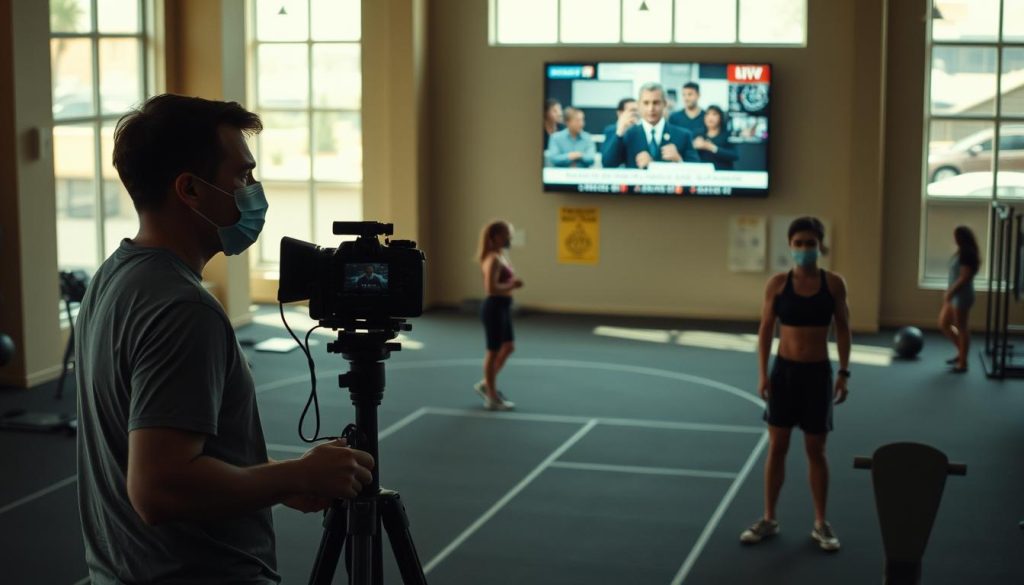
Do you remember when kitchen-floor curling was as popular as Olympic games? The pandemic changed how we watch sports stories. It made documentaries our lifeline.
While Hollywood was in chaos, directors like Wong Kar-wai and Peter Chan found a new way. They moved from theaters to digital premieres. This turned our homes into places where we could all share in the excitement.
This wasn’t just a way to escape. People watching 2008 Olympic replays were finding joy in the past. They were feeling a sense of nostalgia during the pandemic. It showed us that sports stories can be a mirror to our lives.
Who needs superheroes when we have underdog athletes on our screens? The impact was huge. A fitness revolution started quietly. Gym memberships went up 300% after a documentary went viral.
Even Beijing’s propaganda couldn’t match this level of cultural shift. It showed that sports stories can inspire us to take action.
When theaters reopened, something amazing happened. Our screens became our permanent front-row seats. The pandemic’s COVID-19 film strategy changed how we watch sports. It made storytelling a survival skill. Now, let’s grab some popcorn and get ready for more.
User Reactions, Reviews, and Box Office Impacts
Remember when going to the movies meant sticky floors and expensive popcorn? Now, 64.7% of Chinese viewers prefer watching movies at home to avoid crowded theaters. This change is huge, making Godzilla’s rampage look small.
After lockdowns, our living rooms have become like movie theaters. People now value easy access over cinema ambiance. Who needs fancy sound when you have sweatpants and a pause button?
A survey of 592 Gen Z people showed a harsh truth: subscription fees matter more than big movie premieres. One month’s streaming costs less than a single theater snack haul. This is changing how people watch movies in China fast.
Reviews on platforms tell us more than movie critics. People trash loading screens but love apps that stream fast. It’s not just about being easy to use – it’s a big value revolution. As one Weibo user said: “My couch deserves a Best Supporting Actor nomination.”
The numbers show a funny truth: box office numbers follow app store ratings. Movies live or die based on their online success. Forget red carpets – the real excitement is in app updates and late-night watching.
Major Studios: Strategy and Challenges
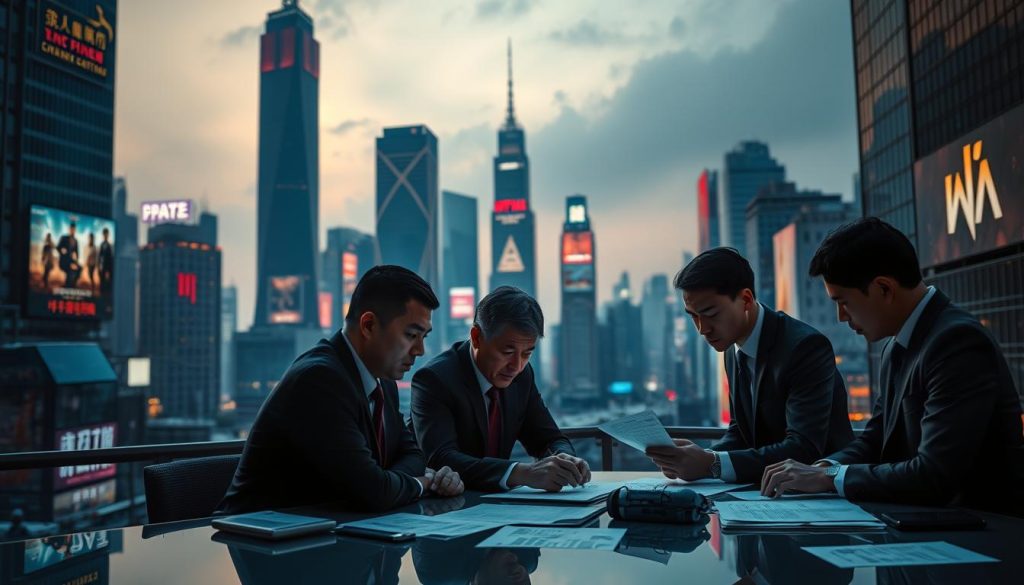
Imagine two tightrope walkers. One moves slowly, while the other runs fast on a thin rope. This is what’s happening in China’s movie world. Huayi Brothers is slowing down, while Wanda is opening 162 new screens, losing $668 million.
Is this smart or crazy? Their financial reports are like dark comedy scripts.
Alibaba uses its e-commerce power to make streaming platforms profitable. Bytedance, on the other hand, is like a water buffalo in a porcelain shop. They release movies through TikTok, turning it into a surprise cinema.
But there’s a common thread: layoffs called “workforce optimization.” As digital entertainment strategies change fast, studios face a challenge. They must balance streaming success with the love for movie theaters.
Remember when theaters were profitable?
This isn’t just about screens or algorithms. It’s a battle for cultural relevance. Can traditional distributors keep up with platforms that treat content like memes? Or will they become examples in future business presentations?
How Film Distribution May Evolve
Imagine your next big movie premiering not on red carpets but between dance videos and cooking tutorials. The future of movies is bright and bold, needing special filters for our screens. With 5G, the gap between city and country is shrinking fast.
Digital premieres could change everything. Why limit movie nights to those near theaters when billions have theaters in their phones? Picture blockbusters hitting screens everywhere at once, with fans reacting live.
Rural areas could enjoy top-notch movies just like city folks, thanks to new tech. This is thanks to fast upgrades in tech, not just more movies.
But here’s a twist: places like Douyin (TikTok’s smart cousin) are more than just platforms. They’re becoming TikTok cinema labs, where stories grow fast. Soon, AI scripts might outdo human writers, making old scripts look old-fashioned.
This shift isn’t just about tech. It’s a big change in how we see stories. When grandma’s shows turn into hits online, we’ll see the future is in our hands.
When Vertical Screens Meet Auteur Dreams
China’s 2021 box office saw a huge jump, 78% higher than 2020’s low. Theaters opened back up, but movies mostly stayed online. Streaming services changed the game, making film distribution in China like a story where you choose your path.
Bytedance’s vertical videos make us think. If Scorsese’s next film is mixed with makeup tutorials and dances, is it just content? Or does it truly match cinema’s spirit? China’s viewers want both quick, fun videos and big-screen experiences, without picking one over the other.
Studios are learning a new lesson. The pandemic didn’t kill theaters; it just made them smarter. When a sports documentary beats a superhero movie online, old ways don’t work anymore. Studios must speak the language of platforms while keeping their roots in cinema.
The story ends with a mix of old and new. Streaming services won the battle of the pandemic, but China’s box office shows people love watching movies together. The real excitement starts when Martin Scorsese’s credits roll… sideways.