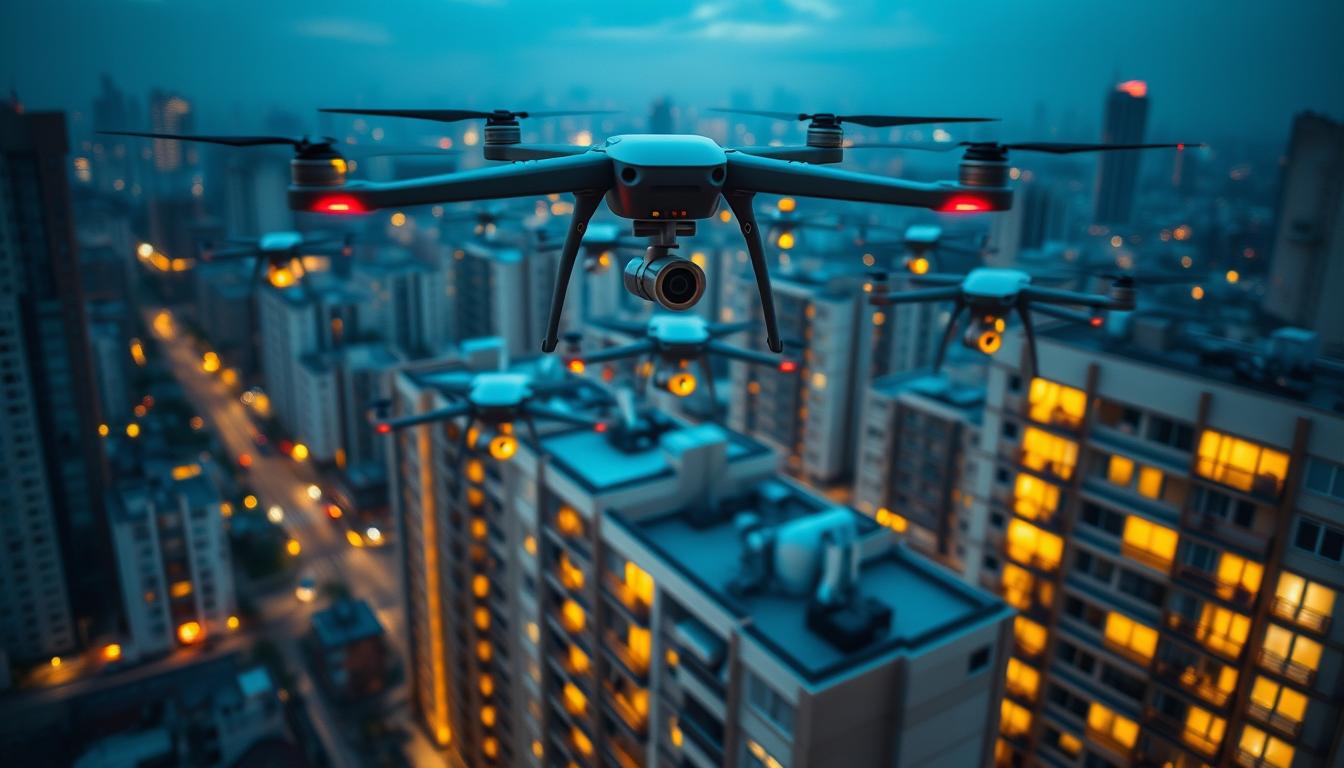
Imagine a swarm of glowing machines hovering outside your window, scanning for fevers. It sounds like a scene from a sci-fi movie. But in China, it’s real. Cities use drones for thermal surveillance, turning balconies into a front-row seat for a unique show.
Remember the stunning drone displays at Beijing’s Bird’s Nest Stadium? Now, those drones are used for tracking body temperatures. It’s a tech play that makes NFL security seem old-fashioned. Authorities track body temps with the precision of a halftime laser show, blending major event pageantry with urgent contagion control.
In the West, privacy debates are common. But China’s approach is different. It’s like giving every citizen a backstage pass to their biometric data. South Korea’s contact tracing is more like a stealthy midfield strategist, effective but less flashy. This leads to a global culture clash between “safety as spectacle” and “security as silent partner.”
So, when crisis strikes, do we want our solutions to be like a James Bond stunt or a chess match? Grab your virtual popcorn. This isn’t just about fever checks—it’s about how societies choreograph survival when the world’s watching.
Tech for Stadium Events & Mass Gatherings
What do NFL security teams and Chinese lockdown enforcers have in common? They’re playing the same game with different rules. The tech that caught fake ticket sellers at last year’s Super Bowl now checks subway stations for high body temperatures. Stadium-grade facial recognition systems, once used to spot rowdy fans, now detect fever in Shanghai.
DJI’s enterprise drones, made for concert light shows and sports venue checks, now spray antiseptic mist in Wuhan. The same tech that coordinated Beyoncé’s Coachella fireworks display now disinfects city blocks in 30 minutes. It’s not innovation – it’s adaptation.
Look at Taylor Swift’s Eras Tour. Her team uses thermal imaging cameras, the same ones used in Beijing’s quarantine checkpoints. The systems that track crowd density at Arrowhead Stadium are the same as Shanghai’s autonomous patrol bots. They’re used in different ways, but the tech is the same.
This isn’t just tech crossover – it’s cultural whiplash. Stadium security firms now market their “crowd monitoring solutions” as public safety tools. Thermal cameras praised for preventing trampling deaths at music festivals are now seen as key in fighting viruses. The strategies are the same; only the teams change.
User Stories & Effectiveness
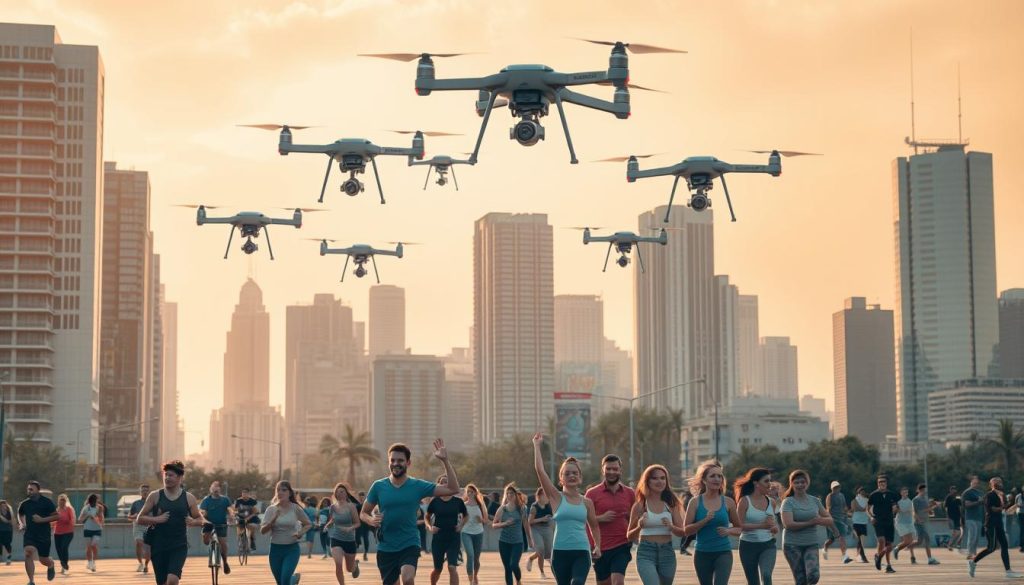
Imagine your Amazon driver acting as a biohazard first responder. This was real during Beijing’s lockdowns. Apartment complexes became health surveillance battlegrounds, with delivery people checking everyone daily. It felt like Groundhog Day.
Seoul used a baseball analytics approach, sending precise PDT alerts. They used mobile networks to predict outbreak zones. Wuhan, on the other hand, used aerial tech for citywide sweeps. This made “stay home” reminders a common sound.
Seoul’s sports/stadium screening during K-pop concerts showed fast contact tracing. It’s like combining Moneyball with epidemiology. The results are impressive.
Which method is better? It depends on your preference. But a Beijing resident joked: “At least the drones stopped playing ‘Baby Shark’ after week three.”
Privacy & Policy Issues
What happens when your morning jog gets logged by flying thermometers? We’ve entered an era where health surveillance tech makes Orwell’s telescreens look like dial-up internet. Shanghai’s lockdown playbook – where COVID drones doubled as compliance officers – reveals how emergency measures can morph into permanent data traps.
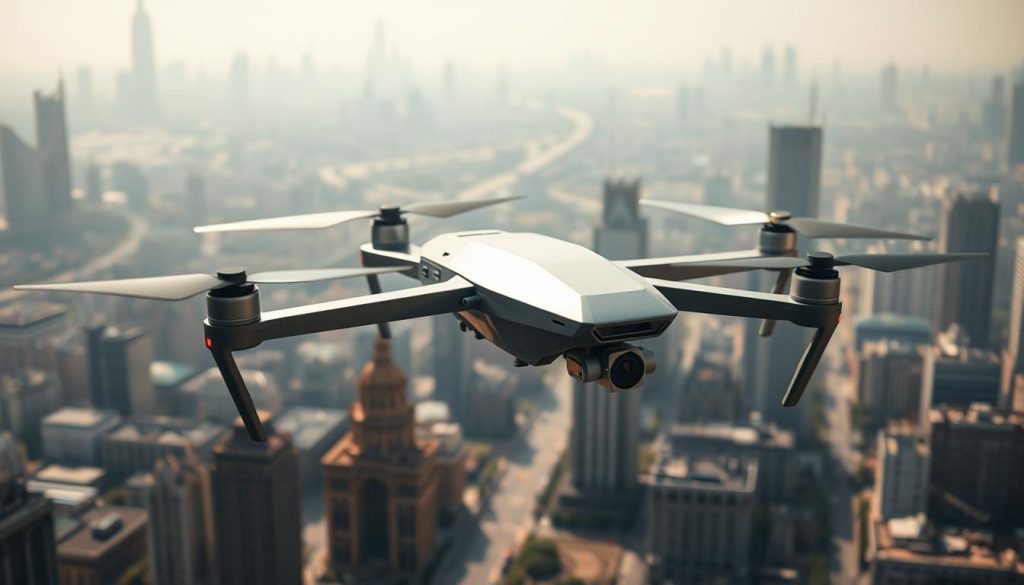
Imagine this: A buzzing sound outside your window isn’t a bee, but an algorithm calculating your social credit score through infrared body scans. China’s “Zero COVID” strategy created real-time biometric mapping so precise, it makes NSA metadata collection look like a game of telephone. The kicker? These systems didn’t sunset with the pandemic – they became infrastructure.
Here’s the uncomfortable truth America needs to hear: Public safety tech always outlives its original purpose. Remember the Patriot Act’s “temporary” measures? Now swap phone records for thermal imaging and gait analysis. Today’s fever checks could become tomorrow’s insurance premiums or employment screens.
But let’s not mistake dystopian fiction for reality. The real danger isn’t Skynet-style authoritarianism – it’s death by a thousand data points. When TikTok dances sync with temperature logs and location histories, we’re not being watched… we’re volunteering our privacy for convenience theater. The question isn’t whether governments will misuse this tech – it’s why we keep handing them the keys.
What’s Next for Drones in Health?
Imagine a world where drones don’t just watch crowds—they think. Today, they count people at festivals. But tomorrow, they might check for fevers or talk to self-driving ambulances. MIT’s new drone, inspired by mosquitoes, shows drones could soon be more than just watchers.
China’s Shenzhen district uses AI drones for emergencies, thanks to thermal imaging. In the West, researchers work on privacy filters for drones. These filters blur faces while checking vital signs, like watching crowds without really looking.
New drones might be as advanced as today’s tech is outdated. Imagine drones with facial recognition for tracing outbreaks. Or drones that help with pandemic supplies, like Dubai’s taxi drones. The big question is: Will we keep up with their growth or crash into our ethics?
The Wright brothers never imagined drones would discuss triage with hospitals. As drones move from watchers to caregivers, we’re changing public health. It’s not just about new tech; it’s about new rules.
When Drones Become the First Responders
China’s drones that peek into windows seem like something from a Black Mirror episode. They are used for both public health and surveillance. The same UAV fleets that helped in Wuhan could soon watch over Alaska’s melting permafrost. This shows how health tech might quickly turn into tools for fighting climate change.
Now, checking crowds in sports stadiums seems old-fashioned compared to using thermal cameras on buildings. These drones are not just for checking temperatures. They can also clean areas, carry emergency supplies, and even act as loudspeakers in the sky. But, is this worth the loss of privacy?
China used over 100 drones to fight the pandemic. They had models for mapping and others for dropping supplies. Prices varied from $3,000 for hobby drones to $150,000 for industrial ones. This tech could soon be used for more than just health crises. It could help fight fires or track methane leaks.
This raises big questions. Can places like New York use this tech without feeling watched all the time? Will San Francisco face health issues with drones or vaccines? As Alaska’s ground melts, we might wish we’d used drones for health checks sooner. The future is coming, and it’s flying overhead. But who’s controlling it?