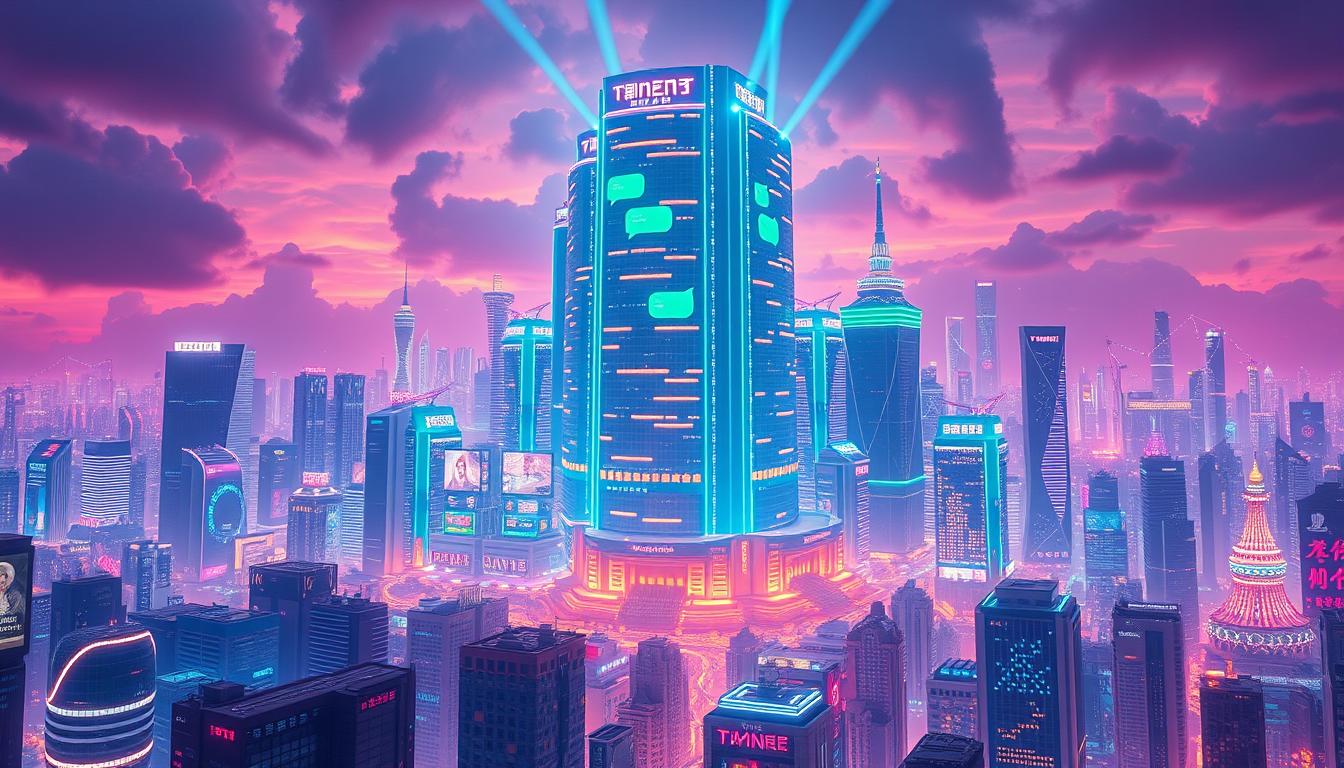
Think Tencent is just a chat app? Think again. The 100 million daily players in PUBG Mobile battles prove it’s a $9.5 billion powerhouse. It’s like comparing Hollywood to indie films.
In the West, WeChat is seen as China’s WhatsApp. But Tencent is more like Tony Stark’s lab and Wall Street combined. It’s where messaging turns into gaming empires and digital wallets become essential.
Tencent’s story isn’t your typical startup tale. It started with QQ’s gaming integrations in the early 2000s. Now, its superapp strategy dwarfs Amazon. With 1.3 billion lives depending on it, Tencent could buy DC Comics and Marvel and make them fight.
The magic lies in turning “just messaging” into a social, fintech, and eSports powerhouse. Tencent’s secret is not just tech. It’s changing how culture spreads. We’re witnessing the first corporate IP Avengers unite.
Social, Gaming, and Sports IP Portfolio
Imagine the gaming world as the NBA. The Shenzhen-based giant isn’t just picking top players. It’s building stadiums, selling jerseys, and broadcasting games. This company is turning games into music apps and cultural hits.
Honor of Kings is more than a game; it’s a social system. Its big cousin, NIKKE: Goddess of Victory, shows the power of this model. It creates addictive games, then turns them into anime, merch, and global gaming ecosystems. It’s not just cross-promotion; it’s magic.
China’s eSports boom drives this strategy. Eastern developers focus on social mechanics, not just graphics. This creates games that live in group chats, dominate TikTok, and turn players into pros. It’s about building worlds players love to stay in.
The strategy is clear: win hearts and screens. From QQ’s chat roots to Honor of Kings’ fame, every move strengthens its hold. It’s the era of gaming’s soft power, where high scores mean cultural influence, and app stores are global battlegrounds.
International Expansion
Imagine Sun Tzu teaming up with BTS’s management. That’s Tencent’s plan for world domination. They balance cultural sensitivity with ruthless monetization optimization. This is what I call “digital ambidexterity.”
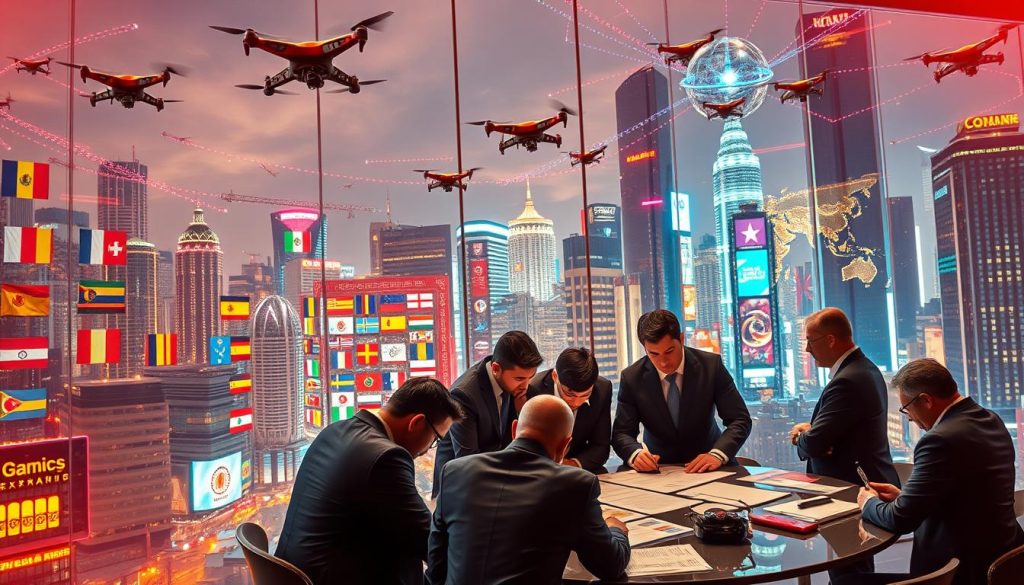
PUBG Mobile got a makeover in India. They added Hindu festival skins and cricket stadium maps. But the loot box system stayed the same. It’s a mix of local touches and global profits.
QQ Music in mainland China sticks to mandopop playlists. It’s like a strict TikTok algorithm. This makes me wonder: Is it cultural exchange or corporate shape-shifting?
Tencent bought Supercell, the makers of Clash of Clans. They didn’t change the company much. They kept its global appeal and addictive nature.
Their strategy is more like multinational musical chairs. They don’t need to create new games. Instead, they license and localize Western IPs. The magic is in small changes that please Korean gamers but don’t affect Swiss bankers.
Business Model, Monetization
Imagine buying a digital sword and helping fund quantum computing research. Welcome to the social media world’s magic. Here, small purchases can lead to huge investments in research through entertainment wizardry.
The Virtuous Cycle
China’s tech giant is like Tony Stark, blending engineering with showmanship. That $5 character skin in Honor of Kings? It’s more than just graphics. It’s like Ant-Man’s quantum realm, where small purchases turn into big profits that fund AI labs and cloud services.
From Microtransactions to Macro Profits
While Western sites focus on Netflix-style subscriptions, Asian superapp leaders see entertainment as essential. They make it ubiquitous, addictive, and profitable. Their trick? Turning fun moments into recurring revenue streams as smooth as a TikTok dance. (They’re experts at making money from attention, like influencers do with detox tea.)
This isn’t just about games. It’s about building cultural infrastructure. Virtual sticker sales help fund facial recognition tech. Silicon Valley, take note: combining social media fun with superapp usefulness can create wealth.
Sports Gaming Community Building
Imagine the excitement of a rock concert mixed with the strategy of chess. That’s what eSports China fandom is like. It’s a world where digital athletes are heroes and every game is like a global event. It’s not just gaming; it’s building a nation through gaming.
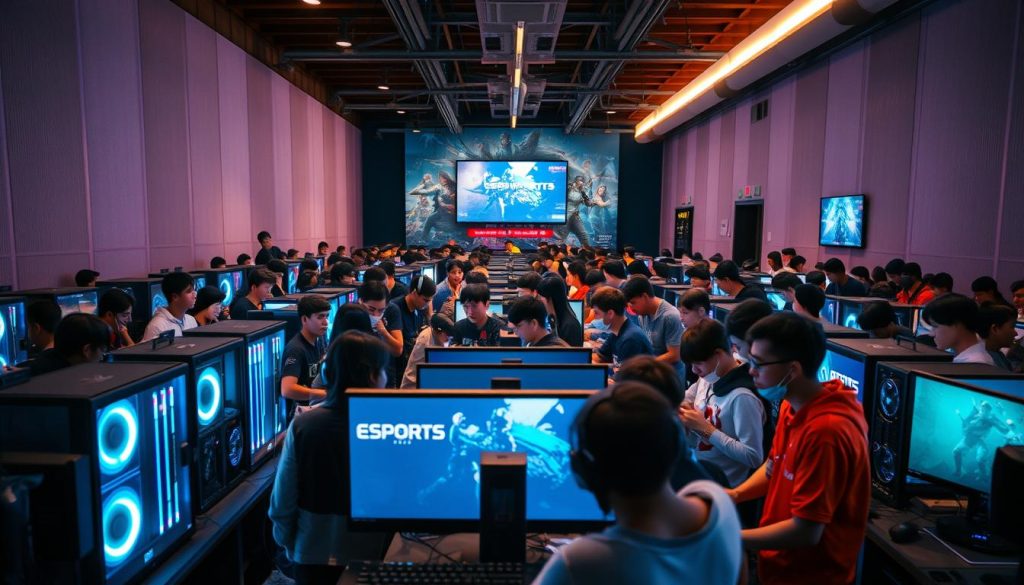
Stadiums Full of Headshots
Imagine 50,000 fans cheering for a teenager playing League of Legends like it’s the Super Bowl. These aren’t just games; they’re career-defining moments where players become legends. Fans buy $200 mousepads blessed by pros, turning merch tables into shrines.
When the lights go down, something magical happens. That kid who won regionals becomes your digital friend through WeChat. They send you victory emojis and special skins. It’s like the Roman Colosseum selling gladiator gear through an app.
This mix of excitement and technology creates social capital factories. Your Honor of Kings rank is like a LinkedIn badge for Gen Z. As the gaming industry grows to $95 billion, these communities are changing culture.
The Road Ahead for Tencent
Imagine China’s tech giant facing a Dark Souls campaign. Every regulatory challenge is like a boss battle. It’s not just a few bumps, but a fight for survival with Xi Jinping’s anti-monopoly hammer.
But Tencent isn’t giving up. They’re using AI and cloud gaming to stay ahead. They’re playing a game of 4D chess, even with CCP crackdowns and Western doubts.
Let’s look at Tencent’s skill tree. While others dream of the metaverse, Tencent is creating digital Squid Game worlds. WeChat’s billion users already live in these spaces.
Their secret? Social media that’s so engaging, it makes TikTok seem like a short-lived trend. But can they win with Beijing constantly changing the rules?
Cloud gaming is China’s new frontier. While Google Stadia failed, Tencent is quietly gathering XP. They’re building microtransaction fortresses and dominating esports.
The ultimate goal? An AI-powered metaverse where every virtual gift boosts real-world power. Western platforms need to be quick to catch up – this dragon won’t wait.
The Code That Built China’s Digital Ecosystem
Tencent’s journey is like a digital Choose Your Own Adventure book. Every choice leads to success. The company has built a $500 billion empire, going beyond its superapp roots. It has changed China’s daily life with gaming, finance, and social services.
It treats users as co-authors. WeChat and Honor of Kings tournaments are huge hits. They show Tencent’s skill in turning fun into big business. The eSports China scene is booming, worth $38 billion.
While others watch, Tencent keeps growing. It has cloud services and holds 9,900 AI patents. It also invests in Spotify and JD.com. This shows Tencent’s smart strategy to control and profit from digital flows.
Calling Tencent a “tech company” is like saying the Great Wall is just a fence. They are writing China’s digital story, one transaction at a time. As AI and metaverse plans meet global challenges, Tencent stands out. It plays a complex game while others play simple ones.