

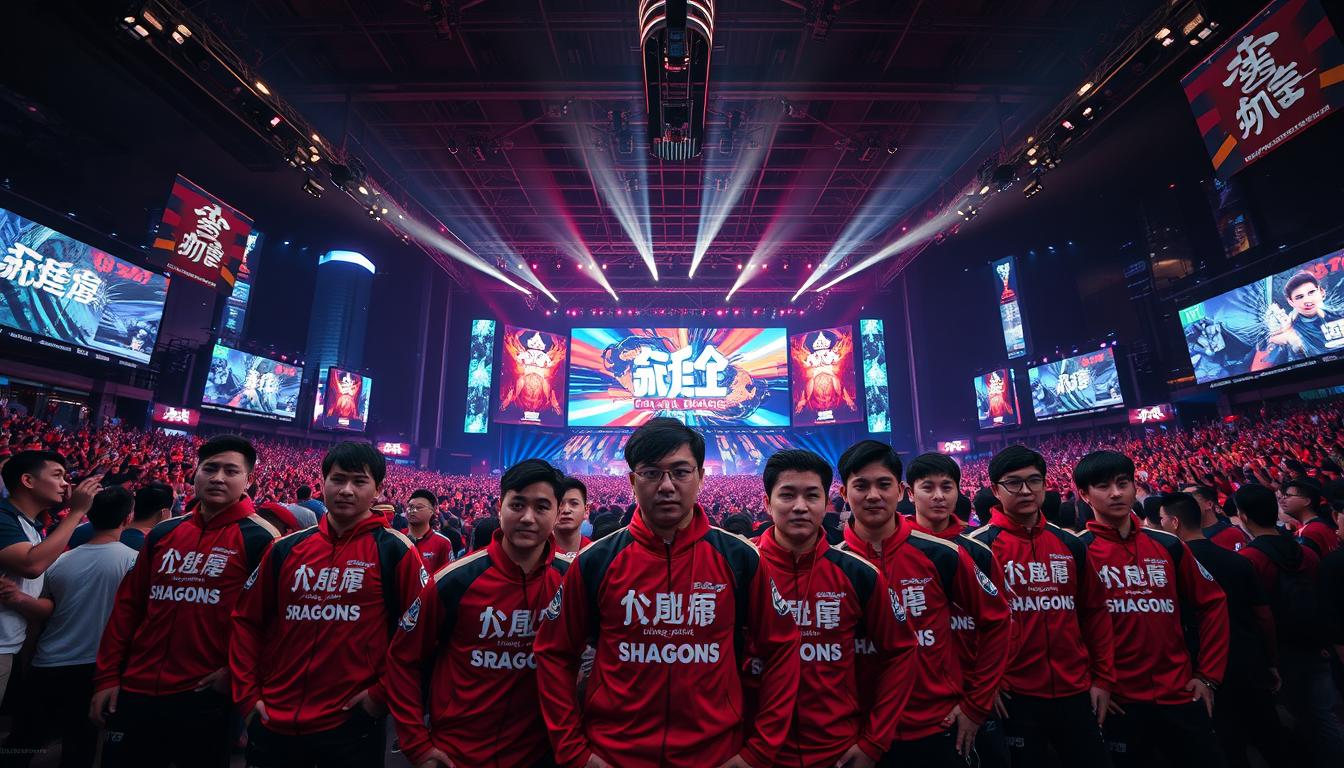
Imagine a team so known for failure, their name was a symbol of despair. But then, they detonated all expectations with a Dragonstrike. The Shanghai Dragons didn’t just change their luck in 2019. They lit up the world with their success.
Their Stage 3 playoff run was like a dream. After a record-breaking losing streak (0-40), they started winning big. They beat the New York Excelsior 3-1, Vancouver Titans 4-1, and San Francisco Shock 4-3. It was like watching Icarus steal Apollo’s chariot.
DDing’s Pharah was key to their success. His rocket attacks made maps no-fly zones. His skills were so impressive, they made Top Gun look tame.
So, when does a joke become a miracle? Was their comeback luck or a sign that underdogs can change the game? Let’s explore how a team once seen as “competitive wallpaper” became a must-watch for Overwatch fans.
Legendary Losing Streak
Imagine losing so spectacularly that your failures become art. The Shanghai Dragons didn’t just lose 40 consecutive matches between 2018-2021. They created a Jackson Pollock of disaster, splattering defeat everywhere. Even the 1976 Tampa Bay Buccaneers’ infamous 0-14 season looks quaint by comparison.
At least they had draft picks and spring training. The Dragons? Just 40 shades of ‘L.’
Let’s autopsy this carcass of a season. Their misplays became meme gold:
- Ultimates wasted on empty objectives
- Support heroes charging into 1v6 battles
- A leaked scrim where they lost to AI bots
ESPN’s 2018 esports awards called it “competitive kabuki theater”—a performance so flawed it became fascinating. But here’s the rub: sports need humiliation like fire needs oxygen. Without the risk of becoming a laughingstock, are we even watching competition? Or just scripted content with better graphics?
The Dragons’ streak forced us to confront gaming’s raw truth. In traditional sports, you can blame weather or referees. In Overwatch? The kill feed doesn’t lie. Every misclick, every mistimed ult, every strategic faceplant—all preserved in 4K glory.
This wasn’t just a team losing. It was a masterclass in how gaming losses expose our deepest fears: that practice doesn’t always make perfect, and sometimes, the problem isn’t the mouse… it’s you.
Why Did Fans Stick Around?
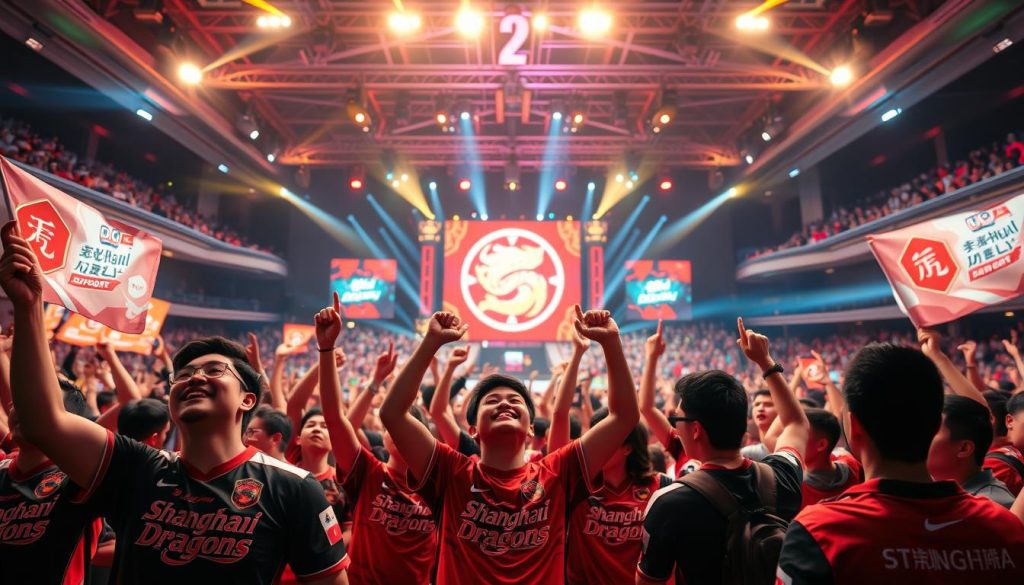
Fandom often defies logic – like watching a team’s highlight reel that looks like a blooper reel. The Shanghai Dragons’ 0-40 streak turned fans into emotional contortionists. They turned disappointment into devotion. But why would anyone willingly watch this?
Three psychological forces fueled the fire:
- Underdog Alchemy: Losing became their brand identity. Each defeat polished their “almost” moments into folkloric near-wins
- Cultural Zeitgeist: China’s explosive growth in eSports China markets turned regional pride into armor against mockery
- Schadenfreude Chic: Watching professionals fail spectacularly makes amateurs feel better about their own mediocre gameplay
This phenomenon mirrors Deadheads following the Grateful Dead through off-key solos – the mess is the message. When Shanghai’s support crew started streaming Mandarin coaching sessions mid-match, international fans didn’t just learn strategies. They learned how to swear in three dialects.
| Fandom Driver | Traditional Sports | eSports China |
|---|---|---|
| Underdog Appeal | Cleveland Browns (NFL) | Shanghai Dragons |
| Cultural Identity | Chicago Cubs (Pre-2016) | LGD Gaming (Dota 2) |
| Trainwreck Spectacle | New York Knicks | 2020 Valiant Roster |
The true magic? Shanghai’s failures became interactive theater. Fans didn’t just watch history – they crowd-sourced coping mechanisms through memes, betting pools on loss margins, and drinking games triggered by specific hero deaths. Loyalty wasn’t measured in championship rings, but in creative ways to endure the unendurable.
As China’s eSports China infrastructure ballooned to $400M+ in investments during their losing streak, the Dragons became accidental performance art. Their matches transformed into live-action parables about perseverance – a Rocky Balboa narrative where the final bell never rang. The real victory wasn’t on the scoreboard, but in the global chat channels where “ !” outnumbered “GG EZ” by season’s end.
Sports Comparison: Comebacks and Upsets
What do a cursed baseball team and an esports squad have in common? More than ESPN’s highlight reels would have you believe. Let’s break down history’s greatest choke artists and Cinderella stories – complete with actual math – to see how Shanghai Dragons stack up against legends like the 2004 Red Sox.
Take Boston’s infamous 86-year World Series drought. Down 3-0 against the Yankees? They flipped the script. Shanghai’s 0-40 streak? They nuked the script. Both exorcised demons – one with bloody socks, the other with Dding’s rocket barrages that rewrote Overwatch League power rankings.
Let’s get petty with the numbers:
| Team | Deficit | Key Moment | Legacy |
|---|---|---|---|
| 2004 Red Sox | 3-0 series deficit | Dave Roberts’ steal | Ended “Curse of Bambino” |
| Shanghai Dragons | 0-40 record | Stage 3 2019 title | First OWL perfect stage |
| Leicester City (2016) | 5000-1 odds | Vardy’s scoring streak | Premier League miracle |
| ROKKR (2021) | BO9 reverse sweep | Map 7 Gibraltar defense | Largest comeback in COD history |
Notice something? Traditional sports get marble statues. Esports get memes and maybe a Twitter hashtag. When Minnesota ROKKR pulled off their BO9 reverse sweep – the competitive COD equivalent of un-defusing a nuke mid-air – did it make SportsCenter? Of course not. Too busy ranking Tom Brady’s retirement parties.
Here’s what these stories share:
- Fan bases that stuck through apocalyptic failure
- Management willing to burn rosters to the ground
- One iconic play that became shorthand for hope
Leicester’s 5000-1 miracle gets documentaries. Shanghai’s redemption? It lives in Discord servers and Twitch clips. But which is more impressive: overcoming a century of superstition, or beating algorithms optimized by entire teams of Korean gaming savants?
Next time someone mentions “greatest comebacks,” ask if they’ve seen a reverse sweep heard ‘round the world. Then show them the stats – preferably via a custom data viz that makes Stephen A. Smith’s head explode. After all, why should history only count if it’s written on paper instead of patched into servers?
Team Management Overhaul
The Shanghai Dragons didn’t just make small changes. They built a new team from scratch. After 40 straight losses, they made a bold move. It was like Ocean’s 11 meets Moneyball.
Do you remember those weird “Let’s try Genji into Bastion comps!” moments? Those days are gone. New leaders came in with sharp strategies. They started by changing the team’s core, getting players from KongDoo Panthera.
Three big changes marked this new era:
- They signed Fearless (main tank) and Void (off-tank) – like drafting Tom Brady and prime LeBron
- New coaches focused on data, not just guesses – like Nate Silver calling plays
- They used smart strategies that would make Sun Tzu proud: “Victorious warriors win first and then go to war”
The old team played it by chance. The new team used advanced analytics. They tracked player stats, sleep, and even how they talked during games. They meant business with their data.
This wasn’t just about sports. It was about science and magic in eSports. They turned talent into a well-oiled machine. The Dragons went from jokes to examples of smart rebuilding. Knowing when to start over is actually a strong move.
The Return and Redemption
Shanghai Dragons entered the 2021 Overwatch League Grand Finals with 40 ghosts in their pockets. They exorcised every ghost with their mouse clicks. The Stage 3 showdown against San Francisco Shock was more than just esports history. It was a moment of relief for fans who had been cheering for them for years.
Let’s look at Map 7 of that thrilling seven-round match. Imagine CoMa’s Ana firing sleep darts with precision. Picture Luffy’s shotcalling guiding the team through chaos like a GPS in Tokyo. This was the team that once went 0-40? The same team that made “Dragons Match Today” a joke?
The final moments were like a glitch in the matrix:
- Lip’s Tracer blinking through time zones
- Void’s Sigma shield eating ultimates like Pac-Man
- Fleta’s Echo phoenix-diving the payload with 0.3 seconds left
When the victory screen flashed, something strange happened. That cursed 0-40 record became street cred overnight. Suddenly, every keyboard warrior wanted Shanghai Dragons merch – the ultimate redemption arc flex.
| Stat | 2018 Roster | 2021 Champions |
|---|---|---|
| Map Win % | 21% | 73% |
| Ultimate Combos | 1.2 per match | 4.8 per match |
| Fan Trust Level | “Prayer Circles” | “Wallet Open” |
The real magic? Shanghai didn’t just rewrite their story – they made failure fashionable. That 0-40 merch now sells faster than limited-edition sneakers. Getting good is profitable when you pair pixel-perfect plays with Shakespearean drama.
As the confetti fell, you could almost hear the ghosts of 2018 laughing. Not in mockery, but relief. The Dragons hadn’t just won a championship. They’d proven that in esports – unlike relationships or crypto – some second chances actually work out.
eSports PR, Merch, and Fan Lessons
While traditional sports teams apologize on Twitter, the Shanghai Dragons turned failure into a lesson in fandom. They treated their losses like a fashion trend.
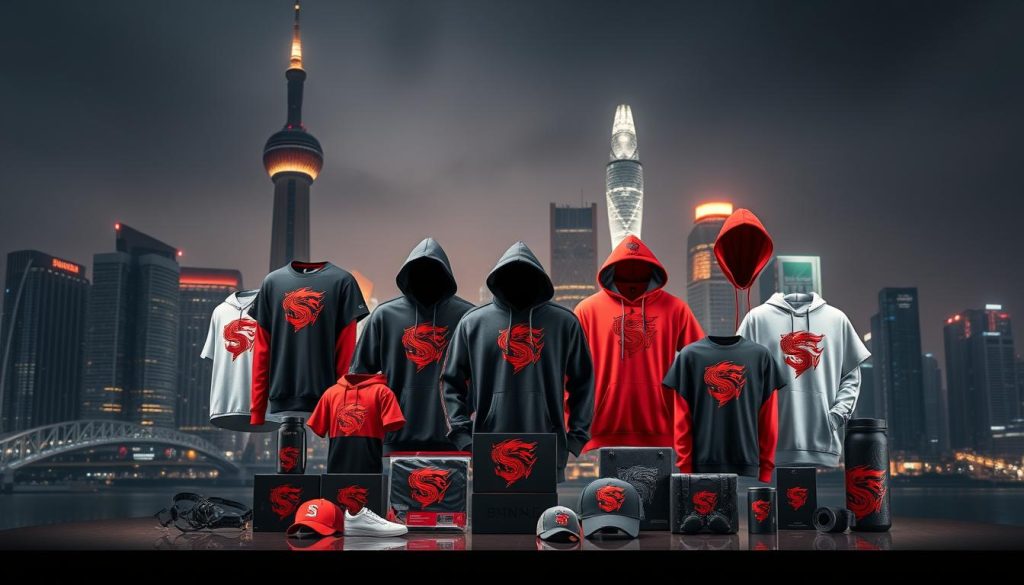
Their “0-40” hoodie became a hit, like Che Guevara’s iconic image. It wasn’t just damage control; it was meme laundering. They turned shame into a symbol of unity. This is different from the New York Knicks’ endless “rebuilding phase” talk. Which one sounds more like today?
Here are three key lessons from the Dragons’ merch success:
- Own the narrative: Fans can spot fake stories quickly
- Meme-ify the pain: That hoodie sold more than most OWL championship items
- Cross-pollinate shamelessly: (Like the KFC Gaming Colonel Sanders Overwatch skin collab)
The Sentinels’ VALORANT merch also shows this isn’t just luck. Their “Chamber’d Again” t-shirts during a tough time turned failure into a $27 cotton joke. Both teams learned a hard truth: Your brand is what Twitch chat spams, not what you say.
| Traditional Sports | eSports | |
|---|---|---|
| Crisis Response | Press conference apologies | Limited-edition failure merch |
| Fan Engagement | Season ticket holder surveys | Twitter Spaces roasts |
| Revenue Stream | Local TV deals | Viral TikTok unboxings |
This isn’t about giving up on winning. But when your team’s Discord is a therapy session, why not sell virtual tissues? The Shanghai Dragons showed that even big failures can be repackaged. And preferably with a 20% discount on merch.
Conclusion
The Shanghai Dragons’ journey from 0-40 to champions is like a video game twist. Their story didn’t just show resilience. It showed how esports evolved from a chaotic start to a real sport.
Remember when people thought competitive gaming was just a fad? The Dragons proved them wrong in a big way. They showed that esports is here to stay.
Their win in 2022 wasn’t just about better players or game changes. It showed that fans love the struggle, not just the wins. Just like in traditional sports, the Dragons’ victory was a big moment.
Esports was growing up fast, with franchising and media deals changing the game. The Dragons’ story was a key part of this growth.
So, what can teams learn from the Dragons’ story? Being true to yourself is key. The Dragons’ fans didn’t leave them during tough times. They stayed loyal.
Esports history is made by teams that keep trying, even when it’s hard. The Dragons’ victory showed that even in tough times, there’s always a chance to win. Their story is an inspiration to all.


