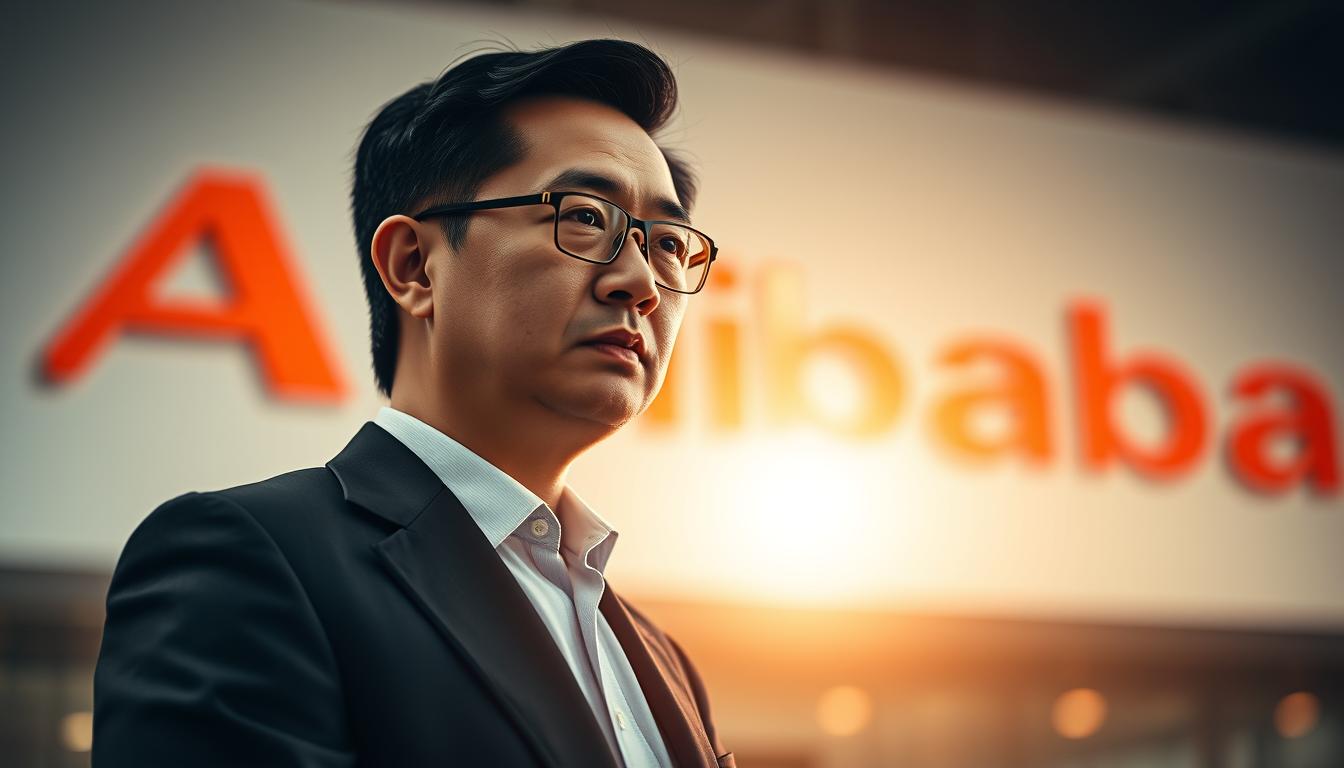
In September 2023, the tech world was buzzing about who would replace a big name. But Daniel Zhang didn’t make a big splash. Instead, he quietly reshaped a $400 billion empire. It was like Tim Cook taking over after Steve Jobs, but with more focus on cloud infrastructure and less on launching new products.
Jack Ma’s legacy is huge, like a neon sign in Hangzhou. His dramatic exit was like an 80s rock concert. But Zhang is all about strategy, starting with spinning off Alibaba’s Cloud Intelligence Group. This move was a $12 billion bet, more like a strategic infrastructure play than a taobao shopping spree.
New Retail is more than just a buzzword under Zhang. It’s evolving into a mix of digital marketplaces and AI-driven logistics. Imagine Amazon’s ambition meeting China’s fast-paced consumer evolution, all thanks to 2022’s valuation jump. But the big question is: Can Zhang build something better than Ma’s foundation?
The answer might be in fresh noodles. Zhang’s Hema grocery stores are changing retail. They offer app-ordered seafood cooked while you shop. It’s not just about selling products anymore. It’s about creating an ecosystem where every delivery teaches the algorithm something new.
Jack Ma to Daniel Zhang Transition
Imagine changing captains in the middle of a storm, navigating through a field of mines. That’s what Alibaba did in 2019. Jack Ma stepped down as executive chairman, handing the reins to Daniel Zhang. The timing was chaotic, like changing pilots during turbulence.

Passing the Baton in the Tech Relay Race
Ma’s exit was more than a retirement; it was a lesson in reading China’s political signs. His 2020 Shanghai speech criticizing regulators was a turning point. Alibaba faced a $2.8 billion fine and Ant Group’s IPO failed.
Zhang took over, like a pair of noise-canceling headphones in a loud room.
Zhang’s strategy:
- He restructured Ant Group into a financial holding company, pleasing regulators.
- He shifted Taobao’s focus to mobile, with 70% of sales now coming from smartphones.
- He kept growth going, even with China’s tech crackdown.
From English Teacher to Cloud Whisperer
The leadership styles of Ma and Zhang couldn’t be more different. Ma was the showy ex-English teacher turned billionaire. Zhang is the quiet “Cloud Whisperer” who built Alibaba’s cloud division.
| Leadership Metric | Jack Ma (2019) | Daniel Zhang (2020-2023) |
|---|---|---|
| Regulatory Engagement | Public criticism | Silent compliance |
| Growth Strategy | Aggressive expansion | Strategic spinoffs |
| Public Appearances | Rockstar frequency | Cryptic rare sightings |
Zhang’s leadership shows that in China’s tech world, being quiet is key. While Ma’s legacy is big, Zhang has mastered the art of navigating through tough times. He traded viral speeches for focusing on quarterly reports.
Sports Merchandising and Event Partnerships
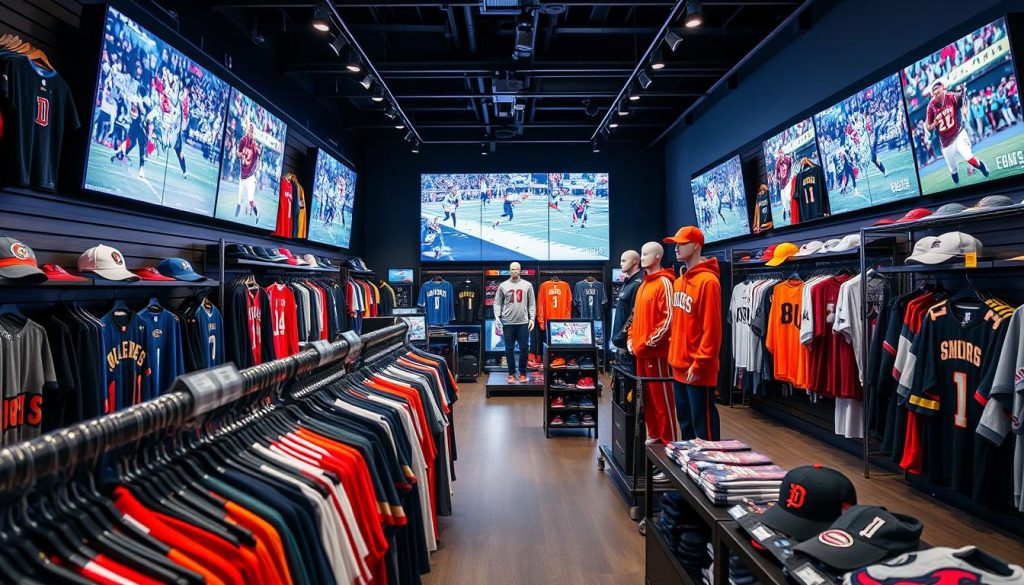
Alibaba has a new strategy for global success: sports partnerships. They use stadiums as testing grounds for new tech. It’s like Moneyball meets The Matrix.
From Jerseys to Jedi Mind Tricks
Olympic deals are more than just logos on jerseys. They’re tests for Alibaba’s retail revolution:
- AR Shopping: Taobao’s virtual try-ons are like Snapchat filters on steroids
- AI Wardrobe Wizards: Algorithms suggest merch based on game moods (perfect for impulse buys)
- Blockchain Tickets: Digital passes so secure, even nacho thieves can’t crack them
Nike’s SNKRS app crashes during big drops. But Alibaba’s CES 2019 tech handles huge traffic easily. It’s like “cloud computing cosplay” – servers stay cool even during the Super Bowl.
The Alibaba Arena Playbook
Zhang’s strategy turns stadiums into data goldmines:
| Tech | Fan Experience | Business Win |
|---|---|---|
| AliCloud Analytics | Predicts beer lines | Sells concession AI to 12 leagues |
| Cainiao Logistics | Same-day jersey delivery | Onboards 300+ vendors |
| New Retail’s Four Cs* | Cashless concessions | Dominates payment gateways |
*Convenience, Customization, Connectivity, and (let’s be honest) Capitalism. This isn’t sports washing – it’s turning foam fingers into profits. The real MVP? A logistics network that moves merch faster than Usain Bolt’s retirement sprint.
Strategy Shifts, Market Results
If tech giants had medical charts, Alibaba’s 2023 file would read: “Chronic restructuring fever – highly contagious.” Under Daniel Zhang’s Alibaba leadership succession, the company’s strategy is like a chess grandmaster doing parkour. It’s all about calculated leaps with occasional mid-air adjustments.
Spinoffpalooza and the Art of Corporate Jujitsu
When Alibaba announced its six-unit split last year, Wall Street analysts needed Excel spreadsheets just to track the corporate mitosis. This corporate jujitsu move – using your own mass against market pressures – created:
- A cloud division sharper than Amazon’s AWS katana
- A logistics arm moving faster than Prime delivery drones
- An international commerce group that makes Shein look like a mall kiosk
The strategy contrasts starkly with Amazon’s vertical integration obsession. While Bezos’ empire builds walls, Zhang’s modular approach creates interchangeable building blocks. This is perfect for China’s regulatory monsoon season.
When $43B Isn’t Enough
Alibaba’s Hong Kong IPO raised $43 billion – enough to buy 14 NBA franchises or 86 private islands. Yet post-launch turbulence saw shares dip like a rookie gymnast. Let’s break down the Moneyball math:
| Year | Move | Stock Impact |
|---|---|---|
| 2019 | Physical Retail Push | +18% (Malls 1, Metaverse 0) |
| 2021 | Cloud Focus | -5% (Great Wall of Data Privacy) |
| 2023 | Spinoffs | +22% (Investors Love Alphabet Soup) |
The real ace up Alibaba’s sleeve? Alipay’s 1.2 billion users – a financial ecosystem bigger than most national banks. While regulators play whack-a-mole with tech giants, Zhang’s team quietly upgraded their Yun OS Linux infrastructure. This is because nothing says “long game” like open-source infrastructure bets.
What’s Next for Alibaba?
Daniel Zhang is planning big for Alibaba in 2025. He’s talking about tech that’s like something out of Blade Runner. Imagine AI that helps you shop, drones bringing dumplings, and digital models for your next sneaker. But can Zhang turn these ideas into real money?
Cloudy With a Chance of AI Dominance
Alibaba Cloud is more than just weather forecasting. They have a new AI system, “Taobao Turing”, that uses 25 years of data to predict trends fast. It’s like asking, “What will Gen Z buy next?” and getting answers before you finish asking.
This AI works with real-world tech too. They’re testing drones and smart cars for delivery. And with their new hub in Europe, fast delivery is coming to the continent.
The Logistics Matrix Reloaded
Alibaba’s supply chain is getting a major upgrade. Their “Matrix 2.0” system connects:
- AI inventory managers that restock before influencers even post
- Blockchain for authentic sports merch (bye, fake Jordans)
- Augmented reality try-ons to check if jeans fit your avatar
| Logistics Feature | 2023 Status | 2025 Projection |
|---|---|---|
| Same-Day Delivery | Major Chinese Cities | 90% Global Coverage |
| AI Route Optimization | 35% Efficiency Gain | 62% Efficiency Gain |
| Drone Delivery Hubs | 12 Operational | 300+ Worldwide |
While experts wonder if Alibaba’s AI will ever go public, Zhang’s team is working on real problems. They’re figuring out how to make cloud kitchens profitable. Maybe their virtual try-on tech will be the key, making you want to buy jerseys just to see yourself as a holographic LeBron.
Conclusion
Alibaba’s journey from a small apartment in Hangzhou to a trillion-dollar company is amazing. The Jack Ma succession plan made waves far beyond Zhejiang province. It showed that changing leadership can be as smooth as ice in Olympic curling.
Daniel Zhang’s strategy combines Ma’s creative ideas with detailed planning. It’s like Bruce Lee’s famous punch, but with numbers and spreadsheets.
The Sage’s Last Scroll
Twelve years after starting as Taobao’s CFO, Zhang now leads 255,000 employees. He faces China’s strict rules while pushing his New Retail idea. This idea makes shopping a mix of online and offline, using your phone as both wallet and assistant.
The Alibaba Partnership works like a high-tech version of the Mandate of Heaven. It mixes fairness with a touch of mystery.
E-Commerce Dynasty or Digital Dust?
While Western tech giants struggle with leadership changes, Alibaba’s sports arm scores big through real sports partnerships. But can it keep up with 30% stock gains and avoid regulatory hurdles? The real challenge is turning Singles’ Day into a lasting success, not just a one-day event.
Zhang’s task is similar to China’s: keep the spirit of change alive while following new rules. Alibaba’s story asks a big question: Can true innovation happen between fire and ice?