Imagine Sun Tzu planning his next move in League of Legends. Around him, 680 million players are typing away like ancient warriors. The global game streaming market is growing fast, expected to jump from $2.6 billion to $6.6 billion by 2032. And China is leading the charge.
Tencent’s massive gaming empire is facing a new rival. While Twitch rules in the West, China’s own streaming services are gaining ground. They offer unique features like virtual red envelopes and famous gamers. This is all happening as the global game streaming market expands at 12.4% each year.
Why should Silicon Valley take notice? The rise of digital stadiums is changing the game. It’s not just about gamers anymore. It’s about a new sport where skill is everything.
This isn’t just about server control. It’s a battle of streaming styles and money-making strategies. When a platform from Amazon tries to enter China’s wangba (internet café) scene, things get interesting. Let’s explore where East meets Warcraft.
The Rise of eSports in China
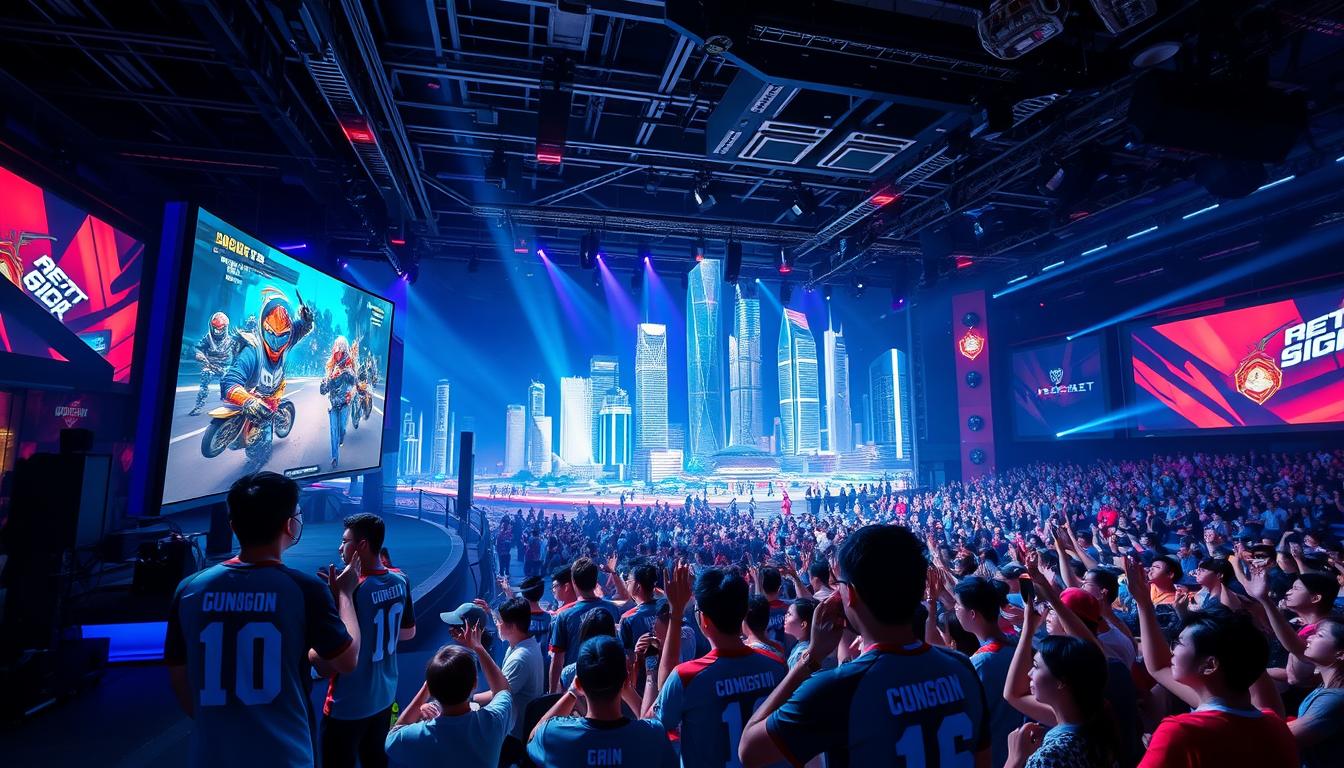
China’s gaming scene has exploded, leaving the dot-com era in the dust. From small Wuhan cybercafes to huge Shanghai stadiums, Chinese pro teams have become as popular as NBA teams. They have their own merchandise, endorsement deals, and drama-filled stories.
Local Clubs & International Exposure
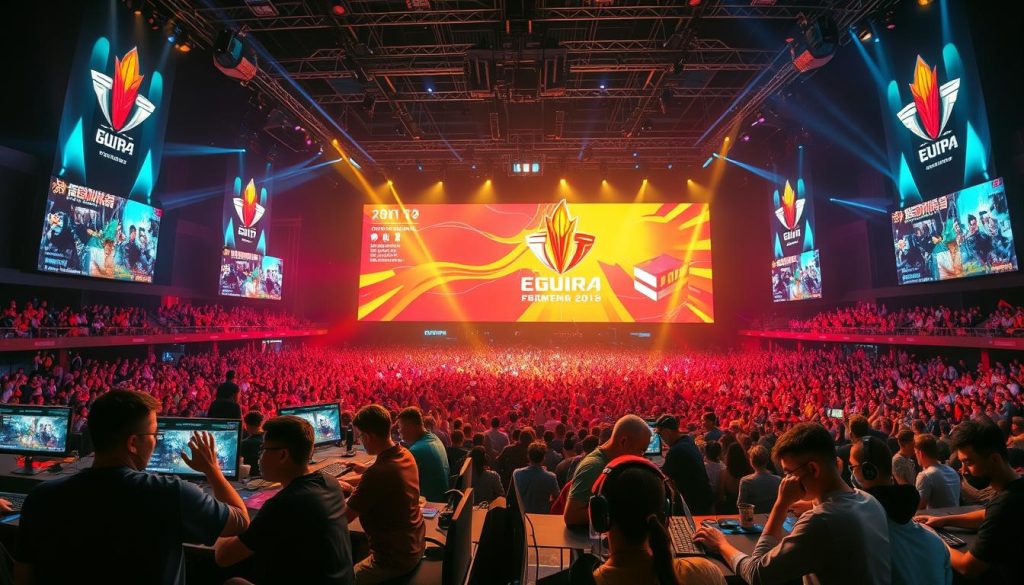
Edward Gaming’s headquarters looks like a Silicon Valley startup. With $200M in sponsorships and a huge fanbase, they’re a force to be reckoned with. The 2021 Mid-Season Invitational was a big win for Royal Never Give Up (RNG). It was a huge event in China, with 480 million Weibo views and patriotic hashtags.
Three things helped them rise:
- Stadium-sized gaming events that mix K-pop with Olympic-level production
- State-backed infrastructure turning industrial zones into esports hubs
- Streaming platforms like Douyu creating 24/7 reality shows around pro players
| Metric | 2021 | 2023 |
|---|---|---|
| Esports Revenue | $318M | $445M |
| Global Streaming Market Share | 33% | 40% |
| Major Tournament Wins | 7 | 14 |
When RNG’s jungler Wei won in 2021, the livestreams went wild. It was like China’s own New Year’s Eve. This isn’t just fandom; it’s a show of China’s power. Teams now work with luxury brands, and games like Tencent’s Arena of Valor get more viewers than the NBA Finals.
Twitch and Streaming Wars
Imagine trying to stream League of Legends through the digital Great Wall – that’s Twitch’s current dance with China. While Amazon’s streaming titan dominates Western gaming culture, its Twitch entry into China feels more like a high-stakes game of Diplomacy than a straightforward expansion. The numbers tell a brutal truth: 31 million daily users globally versus Douyu’s 61 million monthly active users in China alone. This isn’t just a market gap – it’s the Grand Canyon of streaming.
Sports Content: Watch Parties & Live Tournaments
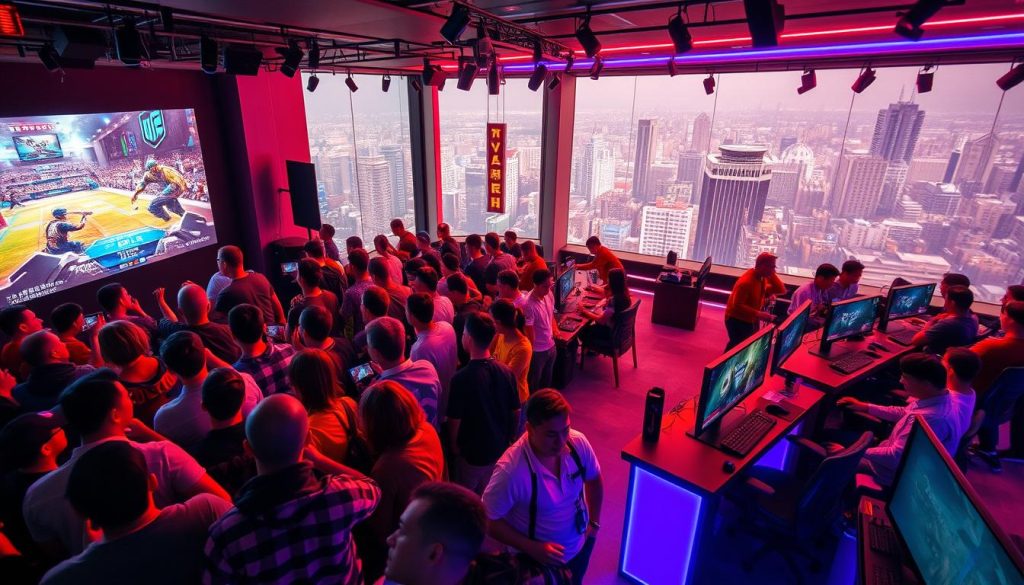
Chinese platforms are rewriting the rules of engagement. Where Twitch thrives on organic creator communities, Douyu and Huya deploy military-grade precision on sports watch parties and esports tournaments. Think state-approved Fortnite skins meets Olympic-level production values. The result? A 60.9% stranglehold on web-based streaming that makes Netflix’s China struggles look quaint.
Here’s where it gets spicy. Tencent’s playbook combines:
- CCP-friendly content filters sharper than a pro gamer’s reflexes
- Server farms in Hong Kong acting as digital airlocks
- Tournament broadcasts that make ESPN look like public access TV
| Platform | Daily Users | MAUs | Content Focus |
|---|---|---|---|
| Twitch | 31M | 140M | Global creator-driven |
| Douyu | N/A | 61M | Localized esports |
| Huya | N/A | 82M | Licensed sports |
The real battleground? Watch parties for international esports events. Chinese platforms stream these with patriotic commentary tracks, while Twitch’s organic chat culture clashes with local moderation demands. It’s less about firewalls than cultural firepower – can Jeff Bezos outmaneuver Tencent’s home-field advantage?
Monetization & Sponsorships
When a pro gamer retires, it’s big news. China’s streaming fans are not just watching; they’re supporting their favorite athletes. They send virtual gifts and buy special passes.
Gamers as Sports Celebrities
Uzi’s retirement post got 680 million views on Weibo. That’s more than LeBron’s famous return post. Brands saw gamers as icons, not just basement dwellers.
- Meituan plastering dumpling ads on JD Gaming’s jerseys
- Li Ning designing sneakers for fictional esports characters
- KFC’s “Victory Bucket” meal doubling as tournament viewing party kits
Top streamers make $20M a year, with 38% from virtual gifts. It’s like Patreon meets the Roman Colosseum. Fans throw digital roses at players during matches.
| Sponsorship Type | Traditional Sports | Chinese Esports |
|---|---|---|
| Apparel Deals | 10-year contracts | Skin/avatar exclusives |
| Fan Engagement | Stadium merch sales | Virtual gift economies |
| Brand Integration | Logo placement | In-game item co-design |
This shows how big gaming events have become. Fried chicken chains are now part of gaming culture. Every shot in a game is a marketing chance, without needing TV ads.
The Future of Cross-Border Streaming
China’s eSports streaming scene is like a game of Go. Tencent holds a big stake in Huya and Douyu, controlling the game. But, Twitch and other international players are watching closely.
The numbers show Asia Pacific’s streaming market is growing fast, at 12.4% a year. China’s eSports revenue could reach $6.7 billion by 2031. Will China block international streaming, or will we see cross-platform battles?
When Pixels Meet Policy
Mobile gaming is huge in China, with Tencent’s Honor of Kings tournaments drawing huge crowds. Analysts say blockchain micropayments could change how we support our favorite streamers. Imagine tipping your favorite Douyu streamer in crypto while watching.
Riot Games is already testing AI opponents in League of Legends. The goal is control. Tencent’s mobile games face off against Activision Blizzard’s console games. Twitch’s partnerships in China are also under scrutiny.
Brands are spending $2.3 billion on sponsorships this year. The question is, will we get to see China’s eSports action, or will it be blocked? The next patch could change everything.