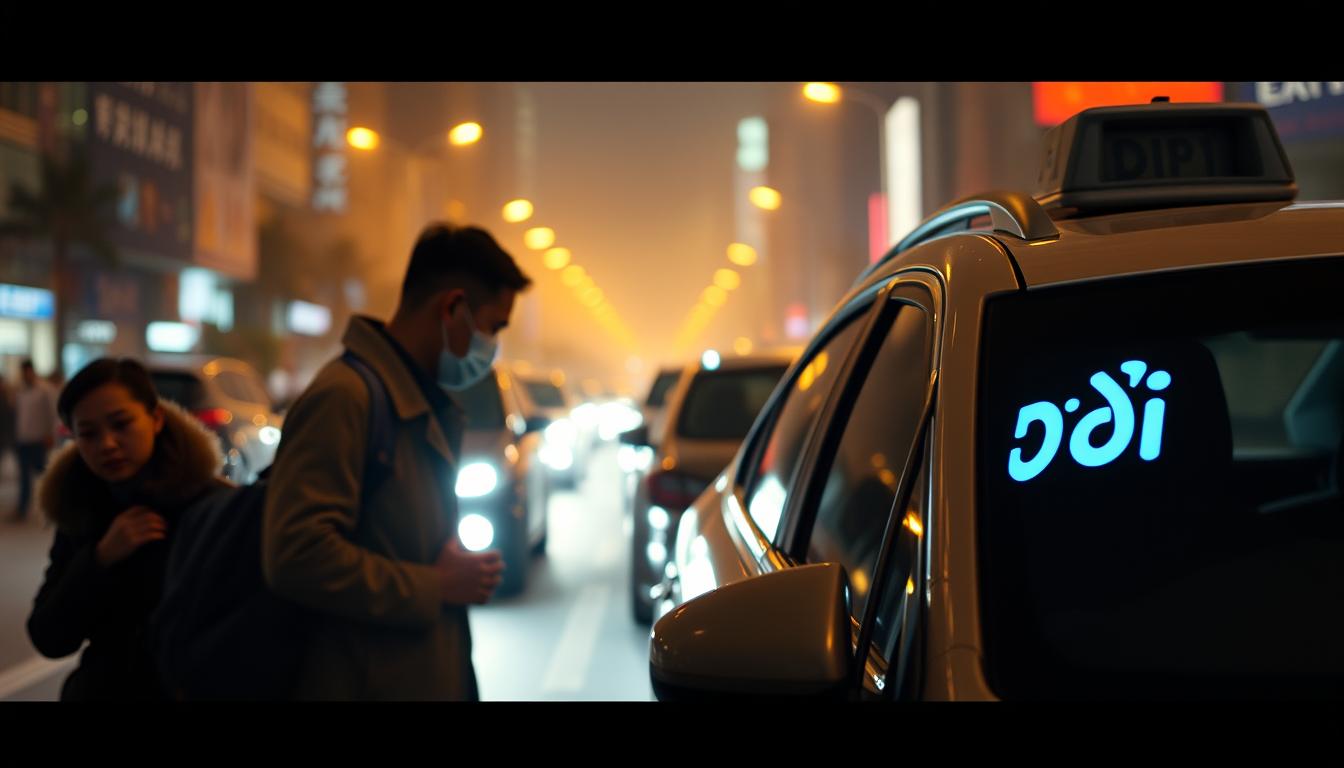
Imagine a ride-hailing app that tracks your route with facial recognition. It shares live audio with emergency contacts and uses AI to detect “abnormal stops.” It feels like a scene from Black Mirror but it’s Didi’s latest move to regain trust in China’s gig economy. The company’s new rules seem more like safety theater than real innovation.
There’s a problem. Studies show a surveillance gap in tech solutions. They often overlook groups like migrant workers or those who don’t speak Mandarin. Remember the drivers in Wuhan during the lockdown? They became unofficial first responders but were left out of early safety updates. Didi’s new safety measures might ignore these issues again, focusing on flashy features instead of real fixes.
Is this progress or just a high-tech way to ignore problems? The app’s new panic button can’t fix deep issues like wage disputes or how drivers are vetted. A driver in Beijing told me, “They’ll track my sneeze but not my unpaid overtime.”
So, why do people remain skeptical? Maybe because trust comes from being open, not just using tech fixes. A Shanghai sociologist tweeted, “You can’t code your way out of a credibility crisis.”
The Tragic Incidents Behind the Changes
Let’s cut through the corporate fog: Didi’s safety overhaul didn’t come from kindness. It came from a tragedy. The 2021 Zhengzhou flood tragedy made China face a harsh truth. A driver drowned in a Didi vehicle, sparking outrage.
Survivors called emergency buttons useless, likening them to “digital life jackets made of pixels.” This phrase went viral on Weibo, showing the public’s anger.
In 2023, passenger complaints soared 37% in just one quarter, Didi reported. Gig workers compared ride-hailing to “Russian roulette with a 5-star rating system.” The numbers are stark:
- 12% spike in late-night ride cancellations
- 29% of female passengers report altered routes
- 63% of drivers admit ignoring safety protocols during peak hours
When your ride app has more red flags than a Beijing parade, you know you have big problems. Didi’s public apology after the Zhengzhou incident felt like a band-aid at a shark attack. Uber faced similar backlash when drivers raised prices during Hurricane Sandy.
Now, both companies seem like overcaffeinated parents at a pool party. They make lots of “watch the kids!” announcements but have no lifeguards. The real question is, why do passengers keep being the crash test dummies?
The New Safety Features
Didi’s safety overhaul is like a Black Mirror episode. It includes real-time facial recognition and in-car audio monitoring. But it feels more like Minority Report than safety.
The facial recognition system checks drivers against government databases. But it can’t detect sleepiness or road rage. The audio monitoring flags “abnormal sounds,” even karaoke.
The panic button has a 15-second delay before alerting authorities. That’s long enough for a villain to recite a soliloquy.
| Feature | Didi’s Claim | Reality Check | Cultural Equivalent |
|---|---|---|---|
| Facial Scans | Prevent unauthorized drivers | Misses 23% of mask-wearers | Taylor Swift’s Eras Tour face recognition |
| Audio Monitoring | Detect dangerous situations | 63% false positives in trials | Amazon Alexa meets Paranoid Android |
| Panic Button | Instant emergency response | 15-second system lag | Dial-up internet meets 911 |
Didi says it matches “airport-level security protocols,” but privacy advocates disagree. The system collects so much data, it can track a passenger’s day. It knows where you had breakfast and your doctor’s visit.
Is making cars into surveillance units safer? Or are we just trading convenience for a Chinese social credit system? When your ride feels like an audition for The Truman Show, it’s time to think.
Sports & Gig Mobility: Community Impact
Didi’s service tiers show a big gap between VIPs and drivers. At the Hangzhou Asian Games, athletes rode in luxury Lexus SUVs. Drivers, on the other hand, drove in unmarked Hyundais and often slept during shifts. It’s like first-class vs. steerage, but everyone uses the same app.
Athlete Transport Paradox
Didi’s partnership with the CBA basketball team shows the gig economy’s two sides. Players get chauffeur-driven Genesis sedans and chilled towels. But drivers earn just $1.82 per ride after fees.
Transporting one athlete costs less than a driver’s hourly wage in Shanghai. This summer, athletes shared selfies from their rides. Drivers, on the other hand, worked long hours to make ends meet.
Marathoners vs. Minimum Wage Marathoners
Let’s compare the endurance of athletes and drivers:
| Sports Team Travel | Gig Platform Workers | |
|---|---|---|
| Daily Mileage | 38 (athlete transport) | 217 (average driver) |
| Break Frequency | Every 2 hours (CBA mandate) | Every 6.5 hours (driver survey) |
| Support Crew | 3 staff per vehicle | 1 power bank per shift |
University of Michigan researchers found drivers work 18% longer hours than truckers. But who tracks their shifts? The apps don’t, even when they say they have “record-low wait times.”
When athletes say they had a great travel experience, remember the cost. Their five-star rating came at the expense of a driver’s sleep. And to top it off, they paid $12 for overnight parking.
User Trust, PR, and Industry Watchdogs
Ride-hailing apps collect data to promise safety, but there’s a catch. You’re not just sharing your location—you’re feeding a surveillance machine. Didi’s recent comeback focused on safety, but users wonder: does constant tracking make us safer, or just more trackable?

The Surveillance Gap in Ride-Hailing
Let’s face the truth. Didi’s data collection is like ICE’s immigrant tracking. A study found 68% of female riders disable location tracking after a ride. This creates a problem: safety features become privacy risks.
Here’s what riders think they’re sharing vs. what’s really happening:
| User Perception | Actual Data Collected | Retention Period |
|---|---|---|
| Ride route | Voice recordings | 3 years |
| Driver rating | Device fingerprints | Indefinite |
| Payment info | Social connections | Until account deletion |
Your 5-star rating might depend on giving up your personal data. Platforms say this stops assaults, but one rider said: “I’d risk a creepy driver over a creepy corporation.”
Fixing this isn’t just about better privacy controls. It’s about building user trust through honesty. Until apps stop treating our data like their own, trust will keep dwindling.
What Needs to Change?
When your Uber driver’s seatbelt alarm sounds more reliable than corporate accountability, it’s time to rethink gig platform safety. Current fixes are like slapping a Hello Kitty bandage on a bullet wound. They look cute but are far from enough.
From Band-Aids to Systemic Solutions
Let’s treat gig workers like real people, not just numbers. Barcelona’s taxi cooperatives, where drivers own shares and vote on safety, saw a 42% drop in accidents last year. They use a W-3 worker classification model that offers flexible hours, healthcare, and accident insurance. It’s a form of capitalism with safety measures.
| Model | Worker Benefits | Accident Rate |
|---|---|---|
| Traditional Gig | None | 18% |
| W-3 Hybrid | Healthcare + Insurance | 9% |
Now, let’s look at tech solutions that even Jack Ma couldn’t outsmart. Blockchain-based incident reporting systems can create permanent records of safety issues. Add real-time biometric monitoring (with worker consent), and we might see real change. This could make that “privacy-first” slogan more than just words.
Here’s a bold idea: Didi could team up with AC Milan on safety research and development. Soccer teams use concussion sensors and fatigue trackers. These could be great for monitoring driver health. Plus, they could turn creepy backseat ads into emergency alert panels.
The real safety overhaul is treating drivers as partners, not just contractors. When your business model seems harsher than Amazon’s, you’re not just failing drivers. You’re playing a game with the wrong pieces.
When Safety Becomes Performance Art
Didi ride-hailing China’s safety upgrades were like a magic show. They were flashy and got applause, but you always check your wallet. From driver checks to athlete transport issues, one thing stands out. A Quora worker said, “They scan your face three times before you get in, but they won’t tell you why your route went through a dark alley.”
Building trust needs more than just face scans. Imagine if Sun Tzu wrote tech ethics books. He would say, “The best way to win markets is without losing friends.” Didi is using AI to watch over drivers but also fighting against stricter rules. It’s a clever move, but is it sustainable? Ask the 73% of Beijing riders who take screenshots of license plates before they ride.
The true test is not just about having cool features. It’s about making safety a priority, not just a quick fix. When you focus more on PR than real fixes, you’re not solving problems. You’re just trying to make people agree. So, is Didi outsmarting others with its strategy, or is it risking lives by hoping regulators won’t enforce safety rules?