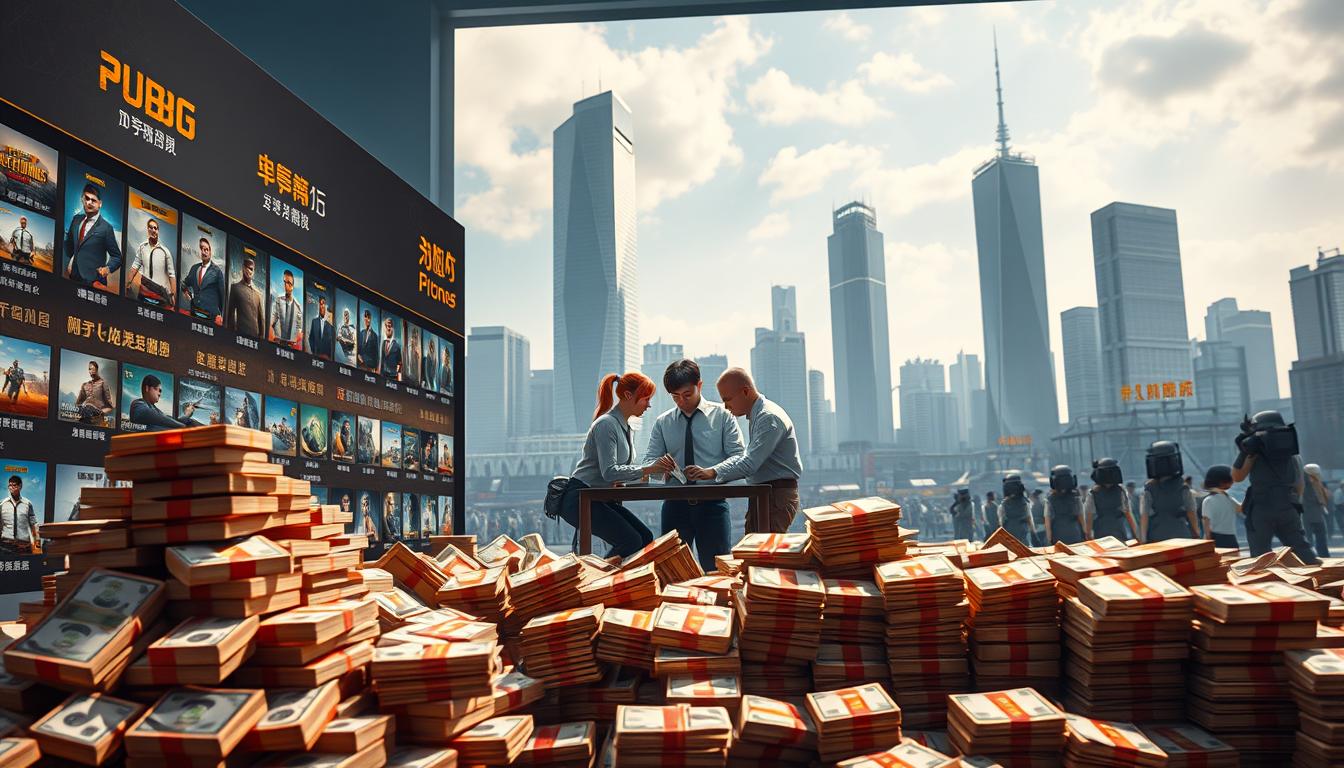
Imagine a Hunger Games reboot with contestants in matching tracksuits. Katniss Everdeen gets censored for showing too much thigh. That’s what happened with Tencent’s Game for Peace, a battle royale that made $14 million fast.
This isn’t just another copycat story. It’s a lesson in China’s gaming world, where socialist values meet capitalist desires. Tencent focused on bloodless combat, patriotic uniforms, and “peacekeeper” points for victory.
The numbers are clear. In just three days, Tencent made $14 million. A billion-plus mobile gamers were eager for government-approved fun. It’s like McDonalds selling a tofu Big Mac that beats the original, with extra propaganda.
What makes this digital rush unique in China? It’s like Silicon Valley fueled by Politburo-approved rocket fuel. App stores here sell games, promote culture, and boost social credit.
As we look into this, remember: in China’s biggest mobile market, clone wars have their own twist. The arena’s set, the players are ready. Let’s see how made-in-China battle royales changed the game.
The Cloning Craze: What Happened?
Imagine a digital ouroboros – Western developers eating their own ideas through Chinese mirrors. The copycat trends we see today started as accidental innovation. Brendan Greene’s Arma 2 mod (later PUBG) was born from experimental tinkering. But when Chinese studios like NetEase launched Rules of Survival months before PUBG Mobile’s official release, the cloning epidemic went nuclear.
An industry built on borrowed concepts suddenly cared about originality. Tencent’s Peacekeeper Elite became China’s sanitized battle royale darling. Krafton sued everyone in sight. Even Japanese manga Btooom! – a battle royale pioneer – failed spectacularly when adapted into a video game clone that made Flappy Bird look polished.
Original vs. Clone: A Toxic Love Story
| Original | Clone | Twist |
|---|---|---|
| PUBG (2017) | Rules of Survival (2017) | Launched 3 months earlier in China |
| Minecraft (2009) | Creative Destruction (2018) | Added guns to block-building |
| Btooom! Manga (2009) | Btooom! Online (2013) | 2/10 Steam reviews within months |
Shenzhen’s cloning factories didn’t just copy – they localized. Nude character skins? Banned. Blood effects? Replaced with green “cyber-ichor.” Western execs clutched their pearls while selling publishing rights to the same studios ripping them off. The real battle royale wasn’t in-game – it was fought in app stores and courtrooms.
By 2019, over 50 battle royale clones flooded Asian markets. Most vanished faster than a Fortnite default skin. But the survivors? They mastered what I call “Frankensteining” – stitching together features from trending games faster than original developers could patch bugs.
How Sports/Esports Apps Compound the Trend
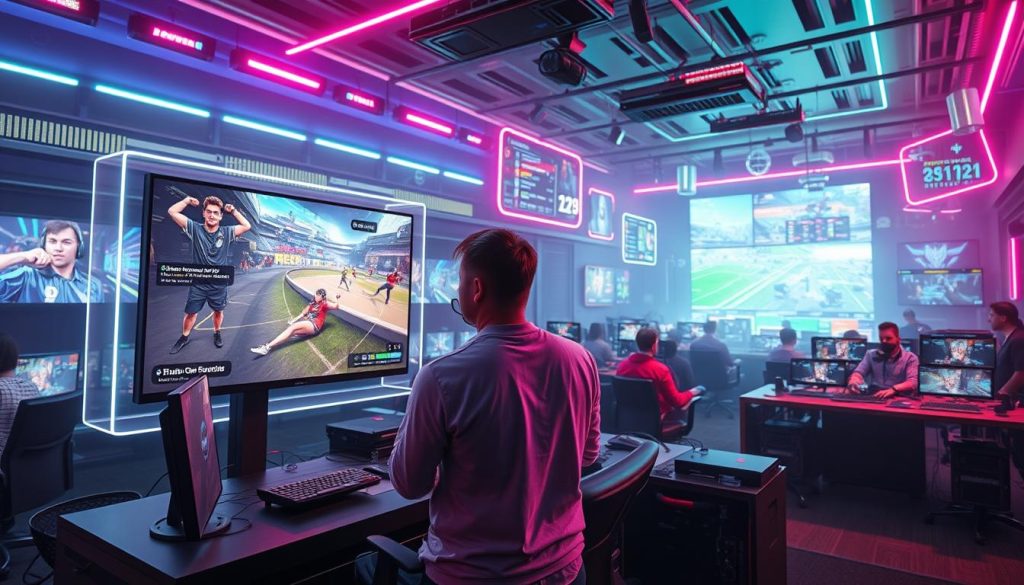
Imagine stadiums full of fans, but the athletes are playing games on their phones. In China, sports gaming economics have created a world where PUBG clones turn into pro leagues quickly. Tencent’s Arena of Valor now gets more viewers than the NBA playoffs, with streams running all day, every day.
| Aspect | Traditional Sports | Mobile Esports |
|---|---|---|
| Revenue Growth (2023) | 3.2% (Global sports) | 17.8% (China esports) |
| Prime Time | Weekend afternoons | 24/7 streams |
| Top Earners | LeBron James ($119M) | Uzi ($15M + endorsements) |
| Cultural Reach | Regional dominance | 70+ countries |
Chinese streamers are like rock stars, making money from virtual items. DouYu International says top streamers can earn $40k a month just by reacting to games. Who needs a basketball when you can make money with a Xiaomi?
This isn’t just fun—it’s a way to make money. The same ideas that made Manchester United famous are now used in Honor of Kings tournaments worldwide. A Shanghai teen can earn more than a Premier League player through gaming sponsorships.
China’s 24-hour livestream economy turns every phone into a way to make money. It’s like a huge dam of digital entertainment, making money from millions of small transactions. This trend spread faster than a TikTok challenge, reaching people all over the world.
Quality, Safety, and User Trust Issues
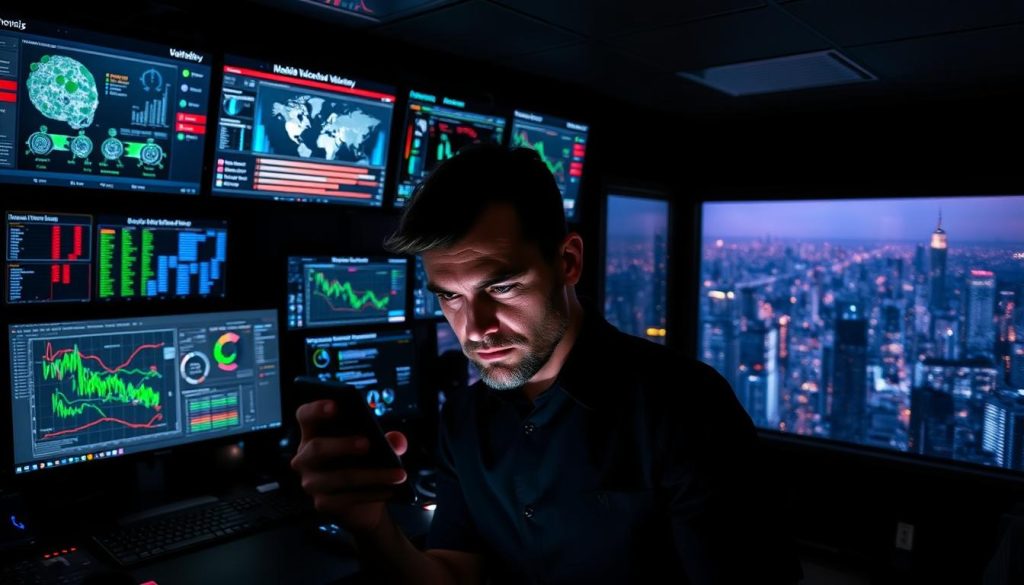
China’s mobile shooters market is like a loot box. It looks good but hides dangers. The 2018 gaming market crash showed how fast trust can break. Clone apps treated personal data like loot.
There’s a big problem with “anti-addiction” measures. Tencent uses facial recognition to check minors, but smaller apps sell biometrics. It’s like a PUBG knockoff asking for your face ID to “protect teens” and then selling your data. It’s a mix of Black Mirror and AliExpress.
APK files hide real security threats:
- Malware pretends to be “performance boosters” and steals money
- Loot algorithms use casino tricks to keep players hooked
- Fake age checks collect data instead of protecting kids
| Feature | Legit Developers | Clone Apps |
|---|---|---|
| Data Collection | Facial recognition for age checks | Biometric data resale |
| Anti-Addiction | Playtime limits | Addiction-as-a-service models |
| Monetization | Cosmetic microtransactions | Pay-to-win data extraction |
Many players know they’re being tracked. But when you’re in a tight spot, who reads privacy policies? The rush for mobile shooters ignored user safety.
Regulators face a tough problem. How do you value a 14-year-old’s selfie used for ads? Clone developers focus on keeping players hooked. The gap between gaming and exploitation is thin.
Who Regulates and Who Profits?
When Beijing banned PUBG in 2018 for “excessive violence,” it didn’t stop battle royale games. Instead, it made them more acceptable. Tencent changed PUBG by using green lasers and cartoon bandages instead of real blood. This was all about a game of politics and money between regulators, developers, and Apple’s app store in China.
The 2018-2023 freeze on game approvals let clones flourish. Foreign games faced big hurdles, but Chinese companies made games that were less violent. Tencent’s Game for Peace was more than just a game. It included patriotic messages and ads for the military.
| Feature | Original PUBG | Chinese Clone | Regulatory Win |
|---|---|---|---|
| Blood Effects | Realistic red splatter | Glowing green lasers | 20% faster approval |
| Death Animation | Skull icon | Cartoon bandage | Youth protection compliance |
| Revenue Stream | Global microtransactions | In-game propaganda ads + purchases | State-approved monetization |
Apple’s China app store benefits from this situation. They remove games but keep making money from sales. It’s a mix of strict rules and making money, where even censorship helps. Small developers have a tough time getting their games approved, with one needing 47 changes for a game about zombies.
The gaming market in China reached $45 billion in 2023. This growth came from games that were made to fit strict rules. A developer said, “We make regulatory compliance simulators with optional battle royale modes.”
Conclusion
The app store clone wars show more than just gaming trends. They are digital Rorschach tests, revealing different visions of tech dominance. Tencent’s moves in Riot Games and Epic Games seem like chess strategies. Western studios are making their games “China-proof.”
This battle royale isn’t just on mobile screens. It’s a perfect metaphor for our tech cold war. It shows how divided we are.
App stores are turning into mirror universes, with big global implications. Gamers might not notice the difference between “PUBG” and “Game for Peace.” But developers are asking if originality matters anymore.
Does success depend on who clones the fastest? The answer lies in Shanghai’s back alleys. Indie devs are remixing Fortnite mods into viral social apps.
Innovation isn’t dead; it’s just taking new forms. Chinese app Kwai is now exporting live commerce tech to Brazil. TikTok’s parent, ByteDance, is testing cloud gaming.
The real goal? A world where every update has political meaning. App stores are becoming cultural battlegrounds. Get ready for the final circle to close fast.