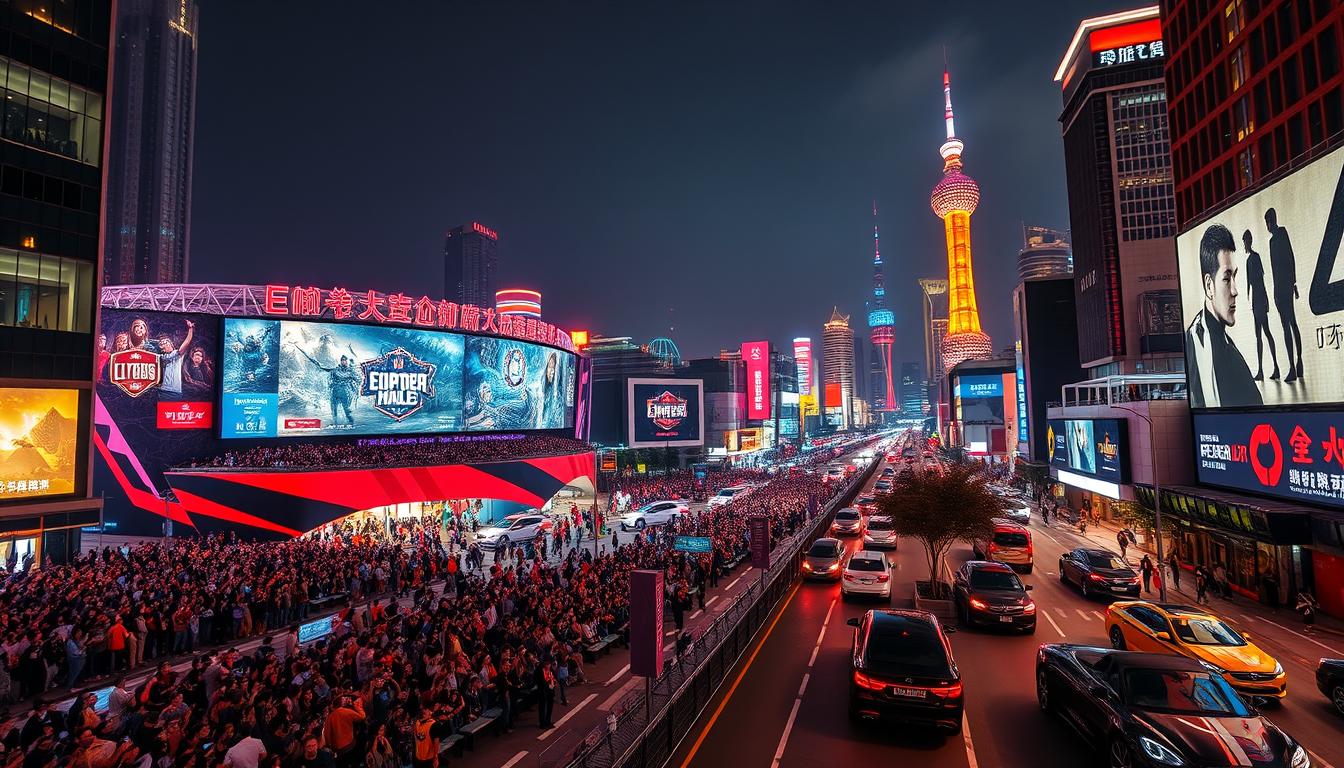
Imagine a city filled with neon skyscrapers and ten million Twitch streams. Here, pixelated warriors fight for huge prizes. Welcome to Shanghai, where Valve’s big prizes meet China’s streaming boom. It’s a digital Colosseum where we see a new kind of live sports festival.
The International 2019 made Shanghai a gaming hub. That $34 million prize pool started a new era. Now, streamer subscriptions and merch sales are key.
In China, tech and Gen Z’s love for digital fame create a perfect storm. Pro gamers earn as much as K-pop stars. Tickets sell out like Taylor Swift concerts. It’s not just about gaming; it’s changing global entertainment.
So, get ready for the excitement. We’re exploring a world where teens become millionaires fast. Every game is a global event. Let’s play.
Prize Pools and Sponsorship
What do digital hats and Broadway tickets have in common? Both show fans will pay top dollar for unique bragging rights. Valve’s Dota 2 battle passes made prize pools the main attraction, turning $10 million tournaments into marketing gold. Players fund their own games, and Valve makes a profit.
This model is like magic. Gamers buy virtual items, and Valve takes 25%. Suddenly, teens become millionaires before they can legally drink.
This funding method is unlike anything else. Think about it:
| Dota 2 International | Hamilton (Broadway) | |
|---|---|---|
| Funding Model | 25% of battle pass sales | Dynamic ticket pricing |
| Fan Contribution | $160 million (2023 total) | $1.2 million/week (peak) |
| Exclusive Perks | Animated hero skins | Lin-Manuel Miranda’s sweat |
Here’s the interesting part. Broadway uses scarcity to make money, but eSports makes money from abundance. That glowing Juggernaut sword? It can be made endlessly, bringing in money forever. This sports finance trick is why Coca-Cola sponsors Team Liquid over the Lakers. It’s cheaper to reach 173 million Fortnite players than 12 million NBA fans.
The sponsorship world is changing in three big ways:
- Demographics: eSports fans are younger than traditional sports fans
- Engagement: eSports fans watch streams for 7+ hours a week, while TV sports fans watch for 3 hours
- Meme-ability: A single Twitch clip can go viral faster than a Super Bowl ad
Red Bull and Mercedes-Benz are changing the game. They’re not just sponsoring events; they’re creating their own worlds. The real prize isn’t the $40 million pool. It’s owning the attention of fans and making money from it.
Impact on Sports Tourism
Shanghai isn’t just hosting tournaments; it’s creating a digital paradise for eSports fans. Forget the usual stadium crowds. This city’s live sports festival economy is always buzzing, ready to grow. Unlike NFL cities with just 17 Sundays of games, Shanghai’s WeChat-powered stadium experiences are available all year.
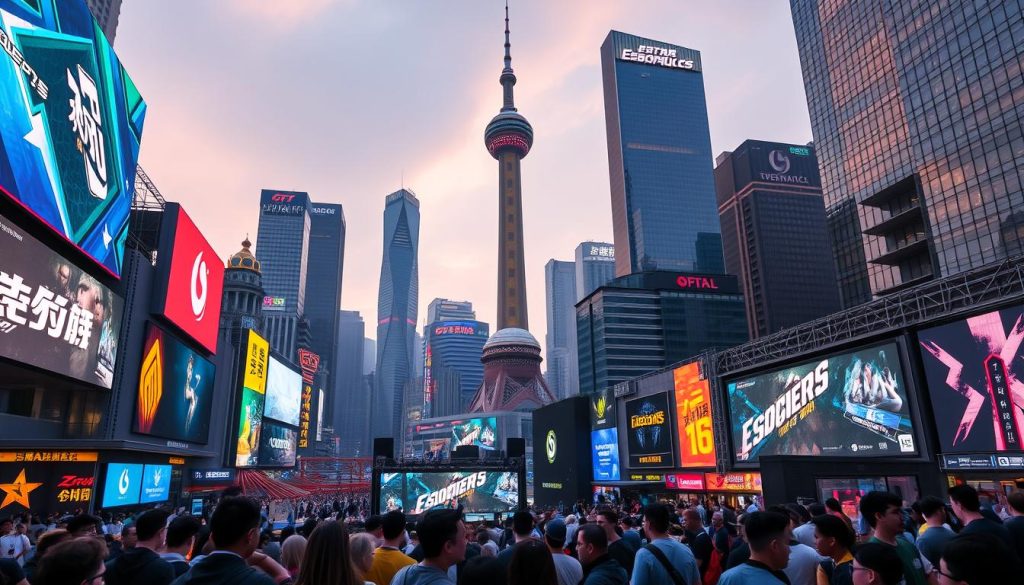
Imagine $500/night hotel deals for fans, not athletes. These aren’t your typical sports weekends. Fans get to enjoy:
- Augmented reality stadium tours before games
- Real-time betting with facial recognition tech
- Meetups with pro gamers at themed bubble tea bars after games
A recent study found Shanghai’s eSports tourism revenue grew 217% faster than traditional sports from 2020-2023. The key? No off-season drama. While baseball parks close in winter, Shanghai’s esports coliseums stay busy all year with events and conventions.
| Metric | eSports Tourism | Traditional Sports |
|---|---|---|
| Annual Event Days | 280+ | 81 (NFL average) |
| Int’l Visitors | 68% | 33% |
| Avg. Spending/Night | $427 | $298 |
This isn’t just about filling seats. It’s about creating unforgettable experiences. Fans can battle AI versions of their favorite players and share their wins with millions. Shanghai turns every match into a moment to share, the true value of modern tourism.
The effects are amazing. Local tea shops offer “Gank-a-Latte” specials during tournaments. Subway maps highlight esports venues alongside famous spots. Even the airport has gamer-specific visa lanes. That’s a big win over the Super Bowl.
Local Economy Boost
Shanghai’s eSports scene is like “digital alchemy”. It turns gaming into real money, like buying luxury cars. A retired League of Legends pro selling mousepads on Taobao beats Zara in shirt sales. This shows we’re in the age of sports finance 2.0.
- PC bang cafes now outnumber Starbucks locations in Huangpu District
- Luxury dealerships report 22% sales spikes during major tournaments (BMW M4s: the new gamer status symbol)
- Local food vendors near venues saw 300% revenue increases selling “Victory Bao” buns
A single 2019 tournament was Shanghai’s economic game-changer. It spent more on venue staff salaries than Tencent on server maintenance:
| Economic Sector | Revenue Generated | Jobs Created |
|---|---|---|
| Hospitality | $47 million | 1,200+ |
| Merchandise | $18 million | 800+ |
| Transportation | $12 million | 400+ |
City planners now compete to attract game studios. They want the economic benefits of eSports economics. Hosting a tournament means creating jobs and boosting the local economy.
When your Uber driver knows you from Twitch, we’ve moved beyond the old days. Shanghai’s sports finance shows the power of virtual wins in real life.
Global Comparisons
Shanghai’s neon-lit eSports stadiums outshine Seattle’s KeyArena. The real fight is in spending on infrastructure. China’s “bootcamp monasteries” compete with North America’s gamer houses. Let’s explore this digital showdown.
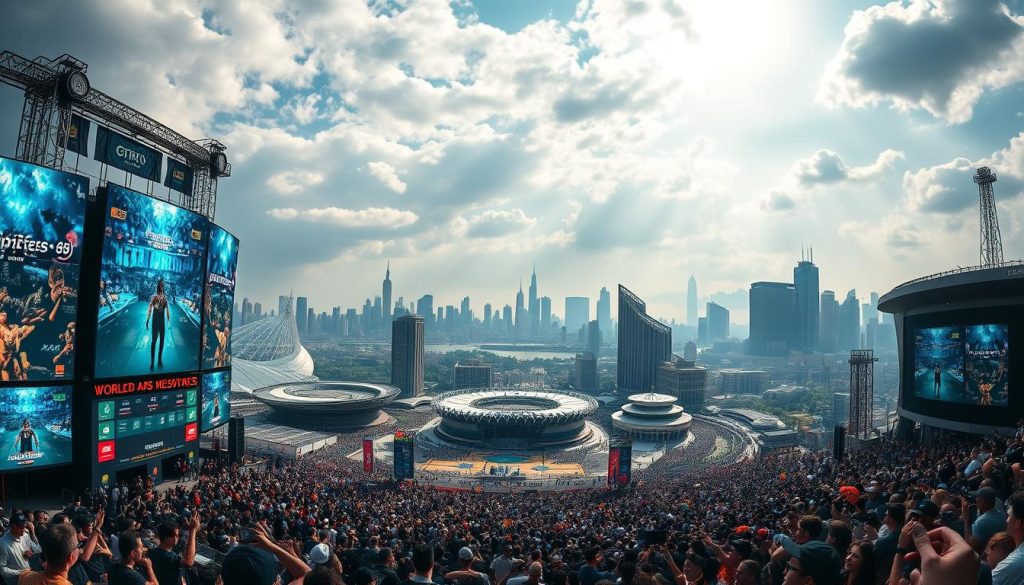
Eastern training centers are like Olympic villages with tech campuses. Players live in Spartan dorms with strict schedules. Western teams prefer mansions with pool tables and streaming rooms. Shanghai’s MOBA teams dominate, while Seattle’s FPS legends are born.
Social media numbers paint a picture. Last year’s live sports festival season saw:
| Metric | Shanghai | Vancouver |
|---|---|---|
| Peak viewers | 8.2M | 1.7M |
| Social mentions | 5.3M | 980K |
| Sponsor activations | 47 | 12 |
Why does Shanghai buzz more? It’s not just size. The city mixes live sports festival excitement with K-pop’s grandeur. Toronto’s attempt to mimic this confused hockey fans with cosplayers. Cultural context is key.
Investments in infrastructure show different visions. China’s government-backed eSports cities focus on permanent venues. North America uses existing stadiums. Is this forward-thinking or just expensive? We’ll see when VR changes everything.
What’s Next for eSports Cities?
Will future gamers need passports – or just VR headsets? Shanghai’s “digital Belt and Road” initiative is changing competitive gaming. Cities now wonder: should they build physical arenas or invest in the metaverse?
The Shanghai event gives us hints. It combines high-stakes tournaments, tech expos, and K-pop concerts. This mix attracts 40% more viewers than traditional sports. But here’s the interesting part: 30% of attendees watch from home. They use blockchain-based tickets and mixed reality interfaces.
Three models are shaping the sports finance landscape:
| City Blueprint | Revenue Drivers | Tech Stack |
|---|---|---|
| Shanghai Hybrid | Live events + NFTs | 5G, holograms |
| Blockchain Hubs | Crypto sponsorships | Smart contracts |
| VR Spectator Cities | Virtual merch sales | Neural interfaces |
Las Vegas bookmakers bet 3:1 on cities adopting Shanghai’s model. Why? Physical venues create FOMO economics. Last year, VR access tokens boosted merchandise sales by 62%.
But the biggest change? China plans to share its hybrid model through gaming diplomacy. Imagine Riyadh hosting Fortnite tournaments with holographic camels or Nairobi’s Minecraft architecture competitions. The sports finance world is not just evolving – it’s creating new universes.
Conclusion
Shanghai’s record-breaking tournament shows eSports economics are more than just big prize pools. They’re building real-world infrastructure. Digital money is used to create physical stadiums and fund metro lines.
Traditional sports sell hot dogs. But Riot Games’ Shanghai events sell VR upgrades for your seat. This is not just capitalism. It’s capitalism with special powers.
The real challenge is after the excitement fades. Can cities turn temporary excitement into lasting growth? Tencent’s Shanghai office trains more analysts than Wall Street. Local universities even offer eSports management degrees.
When your store sells both jerseys and Twitch emotes, you’ve mixed economies in a new way. This shows how eSports can change the game.
Prize pools will keep getting bigger. But the real goal is to create jobs for coders, event planners, and virtual janitors. The players might chase glory, but cities have their own game to play.
So, when you see a $20 million prize pool, think about what’s being built. Stadiums? Schools? New industries? In Shanghai, the answer is yes, with extra lives. Now, let’s start again.