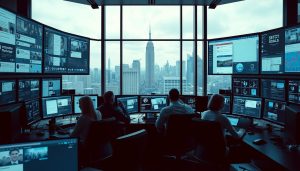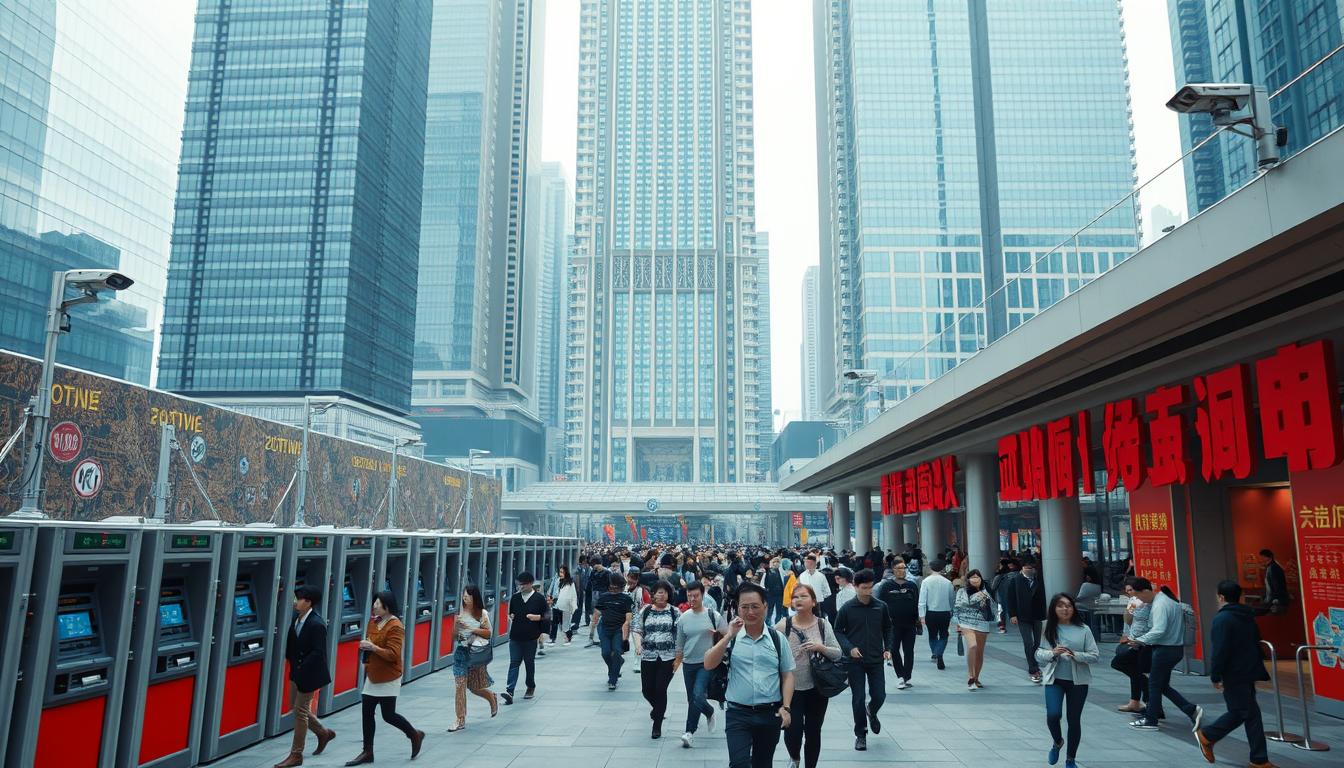
Imagine needing your face scanned just to grab toilet paper. In Beijing’s smart restrooms, that’s reality—no Black Mirror subscription required. The country’s biometric tech rollout has turned sci-fi paranoia into everyday routine, blending convenience with a surveillance network that makes Orwell’s nightmares look optimistic.
I recently stood in a Beijing bathroom line, watching a machine analyze cheekbones before dispensing two squares of paper. It’s equal parts genius and unsettling—like getting a front-row seat to humanity’s “terms and conditions” moment. But this isn’t just about bathroom etiquette. From cashless ATMs to stadium security checks, 1.4 billion people are unwittingly beta-testing the world’s largest social experiment.
How did we get here? The answer hides in plain sight: a marriage of cutting-edge AI and algorithmic governance. While Western debates about privacy rage on, China’s streets hum with cameras that recognize faces faster than your mom spots a sale at Target. The real kicker? Most citizens shrug and say, “It’s efficient.”
Over the next few sections, we’ll dissect five shockingly normal applications of this tech. You’ll see how stadiums track crowds like Spotify playlists and why your face might soon replace debit cards. But first, let’s tackle the billion-yuan question: When does “smart living” become a straitjacket stitched from ones and zeros?
Use-Case 1: Toilet Paper Security
Imagine needing government-approved biometrics just to wipe. In 2017, Beijing’s Temple of Heaven restrooms launched scanners that ration 60cm of tissue per person. It was like a dystopian Pez dispenser for your backside. This wasn’t just about stopping overzealous grandmas.
It was a dry run for normalizing surveillance through absurdity.
The system demands hat removal and direct eye contact with a camera. Fail the three-second stare test? No TP for you. Return within nine minutes, and the AI plays bathroom bouncer. Talk about performance anxiety.
Here’s where it gets sticky: The same algorithms powering these “smart” dispensers track ethnic minorities in Xinjiang. Suddenly, that awkward stall interaction feels less about hygiene and more about conditioning acceptance of constant monitoring. When even bathroom breaks become data points, privacy gets flushed faster than last night’s ramen.
NIST studies show these systems struggle with masked faces – ironic, given how many would prefer anonymity in this scenario. But accuracy isn’t the point. It’s about making Orwellian tech feel mundane, one square of toilet paper at a time.
Use-Case 2: ATM Transactions

Who needs PINs when your cheekbones can open vaults? China’s state-backed banks now use ATMs that scan faces quickly. Your smile isn’t just for selfies anymore—it’s a financial skeleton key. But here’s the twist: this tech isn’t just about skipping passwords. It’s surveillance capitalism wearing a friendly banking mask.
Russia’s VTB Bank recently tested similar systems, but Beijing’s version is more advanced. These machines don’t just verify identities—they whisper to social credit algorithms. Miss a payment? Suddenly, your local ATM might greet you like a scorned ex. Even the 99.8% accuracy claims come with asterisks: NIST found masks slash recognition rates to 50%. Pandemic irony? Your face covering now doubles as a financial privacy shield.
Imagine withdrawing cash while the system cross-references your transaction history with your latest WeChat posts. Convenient? Absolutely. Chilling? Like a Siberian winter. While Moscow’s trials feel like tech demos, China’s rollout has the finality of a Great Wall blueprint. But here’s the real question: When your face becomes your wallet, who owns the mirror?
Use-Case 3: Stadium Event Entry
Imagine you’re at a packed game, ready to get a drink and find your seat. But who’s really scanning whom? LAFC fans use biometric apps for easy entry. Yet, other stadiums have a different approach, more like a “panopticon with nachos”.
The Chinese Super League shows how surveillance can be used to control crowds. They check 50,000 fans in 15 minutes, comparing faces to databases. This tech is like Western models but with a CCP twist. Why not track everyone?
But there’s a darker side. The same tech used in soccer is also in Xinjiang’s surveillance. CloudWalk, a key player, boasts about its “ethnicity recognition” features. It’s like a show where fans are both watching and being watched, with real-time social credit scoring during breaks.
As Hong Kong activists took down smart lampposts, Chinese stadiums are training for social control. So, when your ticket says “Terms and Conditions Apply”, it’s not just about bag checks.
Use-Case 4: Office Buildings
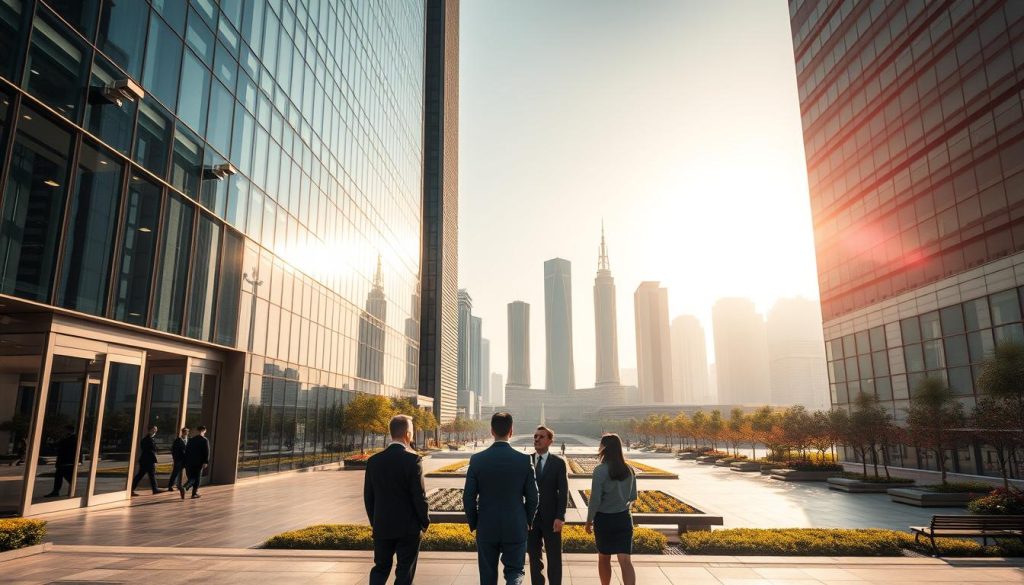
Remember when office security was just a laminated badge and ignoring coworkers’ password hints? Those days are gone, replaced by high-tech biometric systems. These systems are so advanced, they would make George Orwell proud, even in countries with strict surveillance.
From the 1980s Wall Street hand geometry scanners to today’s security policy, we’ve come a long way. Now, your face is not just your ID but also tracks your productivity. Every coffee break and bathroom visit is monitored, making your work life a digital game.
But it’s not just about your work hours. These systems connect to national surveillance networks, making your face a key to compliance. A quick break outside could be flagged as an anomaly, just like in Belarus where office tech is used for more serious purposes.
Western companies are moving towards badge-free offices, inspired by China’s systems. But, who really controls your digital identity? The answer is in your contract and the servers of powerful governments.
Use-Case 5: Smart Cities & Sports
What do packed stadiums and military dictatorships have in common? They’re both testing grounds for security policy innovations. Moscow’s quarantine cameras scan crowds quickly, like Taylor Swift fans spotting Easter eggs. Huawei’s tech in Myanmar tracks dissidents more than it supports literacy.
Urban planning today isn’t just about bike lanes. It’s about stadiums with systems that identify you before you finish chanting “Defense!” This tech is later used to track protesters. Olympic-level surveillance turns into neighborhood watch programs quickly.
Citizens voluntarily fund this through ticket sales and taxes. Every selfie in the stands? That’s helping develop tools to monitor your commute. It’s like owning a Tesla that sometimes reports your political views to city hall.
One Asian superpower’s playbook shows public use cases are just tests for controlling populations. Stadium tech becomes subway scanners. Tools for fighting pandemics turn into ways to stop protests. Privacy loses again, every time.
When Algorithms Outnumber Alleyways
China’s facial recognition technology scans more faces daily than stars in the Milky Way. It’s used for everything from controlling toilet paper to enforcing stadium security. This shows a trade-off: we gain efficiency but lose freedom.
The same tech that stops ATM fraud in Shanghai might flag protest signs in Shenzhen tomorrow. Western critics see this as an authoritarian move. But Clearview AI’s U.S. contracts show surveillance is spreading.
Chicago’s BIPA lawsuits over biometric data misuse are a wake-up call. The EFF warns about China’s facial recognition without regulation. It’s like a digital panopticon waiting to happen.
Every “smart city” sensor is a permanent tool for control. China’s security policy turns convenience into compliance. Your face is like a fingerprint, and your expressions are data.
As democracies debate ethics, algorithms keep learning. The big question is: Will we recognize ourselves in this technology’s mirror?