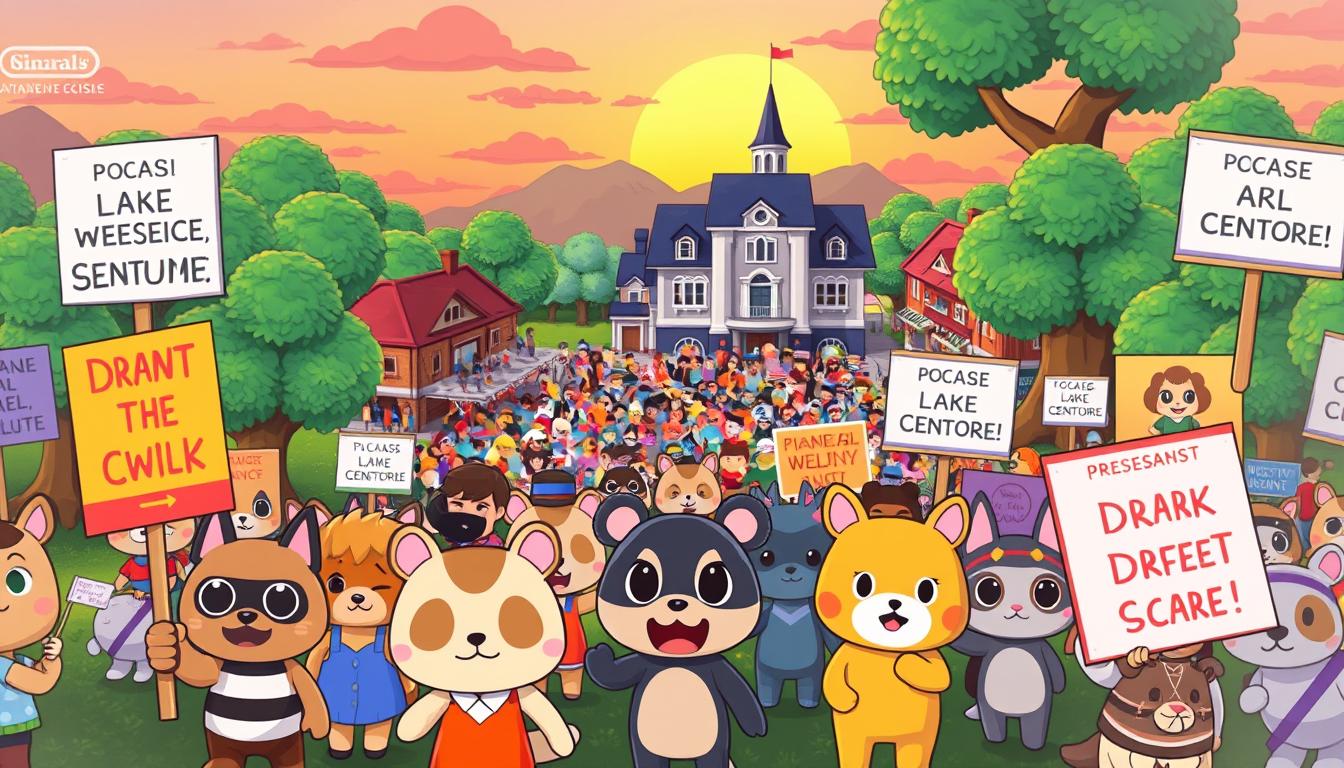
Imagine a world where fishing is more popular than guns, and upgrading homes is seen as a form of rebellion. Nintendo’s Animal Crossing became a place for political expression. Players turned their virtual islands into art galleries of protest.
Designer Wong created a virtual protest in Animal Crossing. It showed Hong Kong’s slogans in a sweet, colorful way. The game’s design felt like a form of rebellion. But, not everyone likes this kind of creativity.
China tried to stop these protests by blocking live streams. But, the protesters kept finding new ways to share their messages. It’s like they were playing a game of cat and mouse with the censors.
Tom Nook, the game’s tanuki tycoon, might secretly support this. He makes money from creative loopholes and secret markets. It shows that even in a game, resistance can be powerful.
Censored Art, Creative Resistance
What happens when a children’s game becomes a canvas for dissent? In Hong Kong’s digital playgrounds, players turned Animal Crossing into protest art galleries. It’s not just gameplay—it’s social protest gaming with a side of snark.
The Politics of Pixelated Protest
Take Nintendo’s Pokémon naming controversy. Cantonese speakers used character customization to preserve their language. Imagine Squirtle with pro-democracy slogans—a far cry from Ash Ketchum’s adventures. It’s like Banksy meets Bulbasaur, leaving coded messages in virtual town squares.
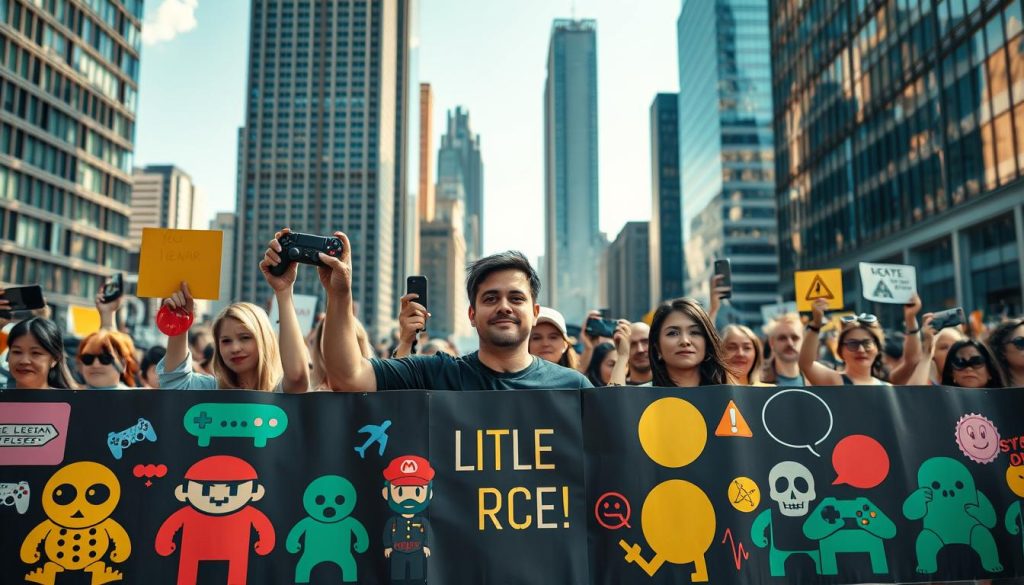
Scholar Laine Nooney calls this trend “activist glitch-making.” But Hong Kong’s digital dissidents take it further. They’re rewriting the rules. When China banned livestreams of real-world protest movements, gamers created in-game recreations of barricades and Lennon Walls.
Professor Maryanne Davies says this gamification of resistance turns play into “a Trojan horse for radical imagination.”
But these digital protests vanish fast. Nintendo’s content moderation sweeps through user islands like an authoritarian bulldozer. Yet, players keep rebuilding—each erased protest art piece spawns ten more in Discord forums. If a virtual Molotov cocktail explodes in cyberspace, does it make a sound? Hong Kong’s gamers seem to think it echoes through firewalls.
Streaming, Sports, and Online Protest
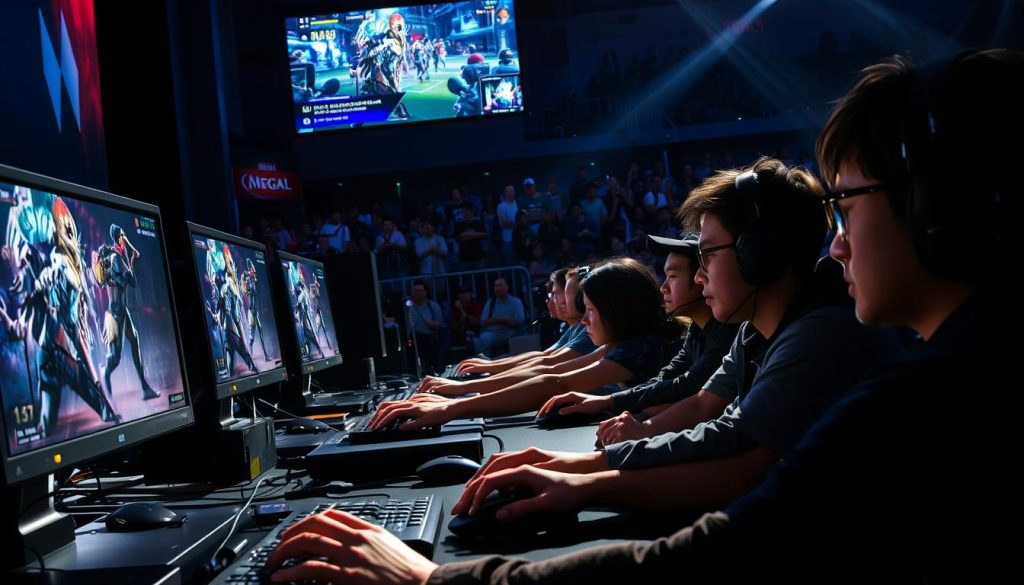
Imagine a world where Super Smash Bros tournaments get the same attention as UN summits. Welcome to China’s gaming world in 2024. Here, controllers are used for protests and every headshot might trigger a state investigation. While Western streamers talk about Twitch ad money, Beijing’s ban makes virtual fights ideological battles.
When Gameplay Becomes Ground Zero
China’s livestream ban was as harsh as a Tekken combo chain. Here are some mind-bending facts:
- Over 3.5 million streams vanished overnight in 2023’s “Clean Cyberspace” initiative
- eSports viewership dropped 40% post-ban despite growing global interest
- Animal Crossing islands featuring protest art lasted 17 minutes on average before deletion
The real kicker? Unlike Western gaming activism, Chinese players face harsher consequences. When your Mario Kart race gets flagged for “subversive banana peel placement,” you know the rules have changed.
eSports and the Great Firewall
China’s eSports dilemma is like a high-stakes strategy game:
| Factor | Opportunity | Threat |
|---|---|---|
| Revenue | $445M annual industry growth | Sponsors fleeing censorship clashes |
| Visibility | Global tournaments showcase tech prowess | Stream bans erase cultural influence |
| Control | State-approved gaming narratives | Player-driven stories undermining CCP messaging |
The Communist Party wants eSports glory without the messy democracy of online communities. It’s like trying to win Street Fighter using only approved combo moves – technically possible, but stripped of creative flair.
Community, Platform, and Policy Pushback
China’s gaming underground is like a digital black market. It trades in things like turnip futures and DIY furniture. Under the radar, forbidden games spread fast, like village gossip.
This isn’t just about playing games. It’s about challenging the rules between gamers and those who control them.
Grey Markets and Grassroots Networks
The Chinese name for Animal Crossing, “猛男捡树枝” (Buff Dudes Picking Up Branches), is clever. It’s like a secret code. Players use language to hide their games from censors.
Gaming researcher Yang Xuefei calls this “social circle consumption”. It’s like a community that buys and sells games and information.
Here are some black market tricks:
- Taobao shops sell “digital landscape design software” (pirated games)
- Livestreamers use vegetable names for game codes (turnips = banned content)
- Discord servers pretend to be gardening clubs
The 2017 Policy Reckoning
Beijing’s gaming crackdown was sudden. The 2017 rules targeted content and how it’s shared. But, as analysis shows, every block led to new ways around it.
| Policy Focus | Market Impact | Consumer Response |
|---|---|---|
| Game Approval Freeze | 35% drop in licensed titles | 200% surge in VPN usage |
| Playtime Restrictions | Official servers decline | Private server subscriptions triple |
| Content Moderation | Increased dev costs | Memetic protest art flourishes |
When a banned game sells 2 million copies, does it make a sound? Yes, it echoes through WeChat and modded Switches in China. Players buy more than games; they buy tiny acts of rebellion, one virtual fishing rod at a time.
The Risks & Realities
Virtual dissent is more than just creative expression. It’s a high-stakes game where every action can have real-world effects. In Hong Kong, players used Animal Crossing to create protest art. But mainland gamers countered with their own actions.
This led to a surreal clash. Gaming communities became battlegrounds for different visions of digital citizenship.
Mainland Players Counter-Strike
Imagine Grand Theft Auto players acting as neighborhood watch. That’s what happened when Chinese gamers policed Hong Kong’s virtual protest islands. They reported “illegal constructions” to moderators.
One Shenzhen player called it “keeping the peace.” This echoes America’s “stick to sports” debates but with higher stakes.
| Game | Protest Method | Player Response |
|---|---|---|
| Animal Crossing | Protest art terraforming | Mass reporting campaigns |
| GTA Online | Virtual sit-ins | Player-led “law enforcement” |
| Minecraft | Protest monument builds | Server-wide demolition squads |
Catharsis vs. Consequences
Riot police skins as downloadable content raised a question: Are we role-playing or normalizing authoritarianism? The irony is deep. Players who mock Overwatch’s dystopia now act like its enforcers.
A Beijing streamer bluntly said, “Protesting in games is like shouting into a locked chest—you feel better, but the treasure stays hidden.”
This digital tug-of-war shows gaming’s dual nature. Virtual worlds offer escape and echo chambers, therapy and training. As platforms become social protest gaming arenas, players must choose: Are we building sandcastles or storming beaches?
Conclusion
The battle between control and creativity is always changing. Authorities try to remove protest art from games, but it keeps coming back. Ideas banned today can pop up again in new ways, like in Minecraft memes or Discord messages.
Mainland gamers find ways to get around rules, using VPNs and special mods. They turn Steam into a tool for protest. Grassroots groups grow strong where official censorship fails, showing Zhuangzi’s old wisdom.
Future protests might use Meta avatars or sell as NFT art. Imagine police trying to stop virtual sit-ins while CryptoPunk artists create dissent online. The real challenge isn’t banning platforms but controlling the game’s rules.
As censorship gets stricter, creative minds find new ways to resist. Can anyone believe in stopping a movement that’s survived tear gas and TikTok bans? The game’s warning is clear: stopping players is only possible when they stop playing.