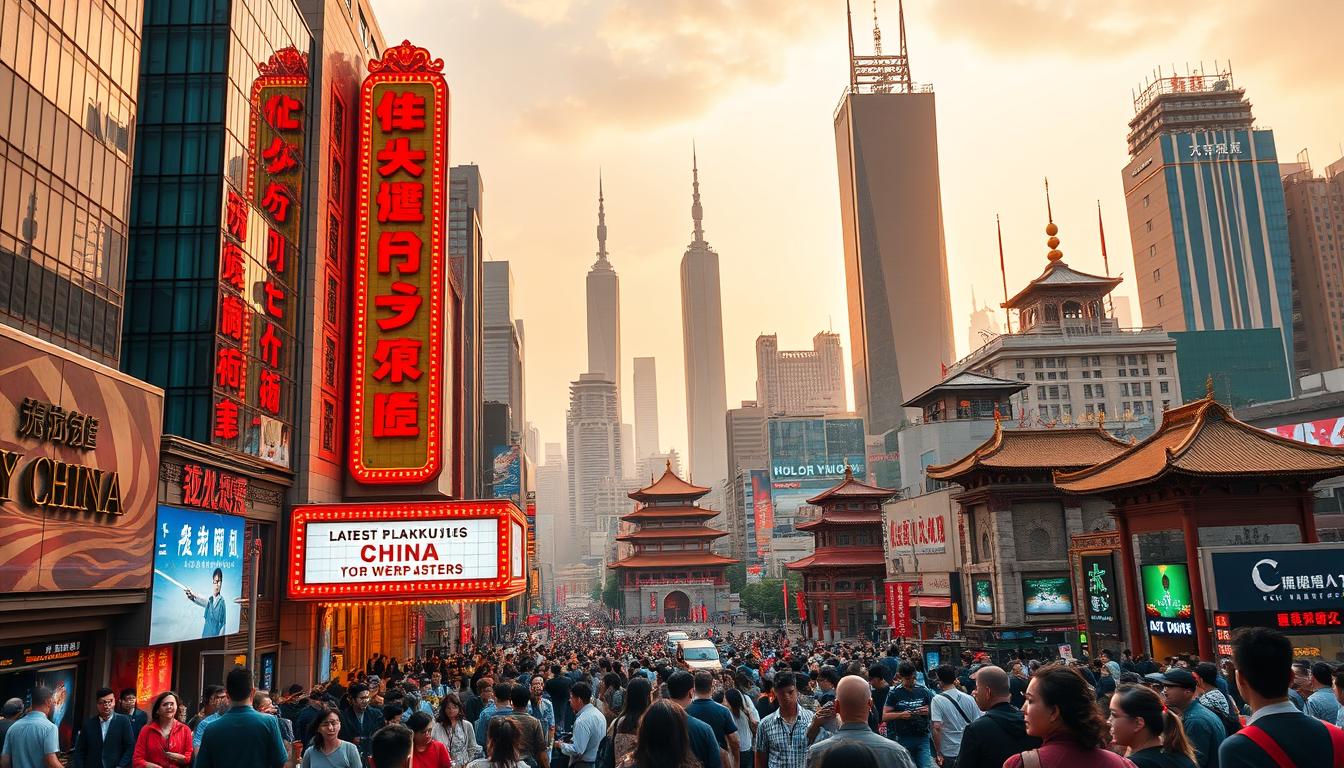
Imagine a twist even Marvel’s writers couldn’t dream up. Deadpool & Wolverine breaks records globally, but in Shanghai, a local comedy steals the show. This film, Successor, is a hit, raking in $439 million. It tells stories of parenting fails and math homework meltdowns.
This isn’t about censorship or keeping things local. It’s about a new generation wanting stories they can relate to. Picture Avengers: Endgame being beaten by a TikTok creator’s film about your family’s awkward dinners. That’s the new reality in entertainment.
So, what makes these local hits so popular? They use cultural shorthand that Hollywood can’t grasp. While Western studios aim for universal appeal, Chinese filmmakers excel at telling stories that speak directly to their audience. These stories are as relevant as a 2019 dance challenge.
The real story isn’t about crossing borders. It’s about people wanting to see themselves in movies. When a comedy about parenting beats out mutant mayhem, it’s more than just a trend. It’s a complete rewrite of entire narrative rulebooks happening right before our eyes.
China-Only Movie Hits
Hollywood’s red carpets are looking a little green these days—and not with envy. While Marvel’s heroes fight aliens in New York, China’s box office champions battle overbearing parents and school exams. The secret? Mix CCP-approved patriotism with family drama, and serve it to 1.4 billion viewers.
Wolf Warrior 2 is the Rambo reboot China didn’t know it needed. This action flick broke box office records and changed the game. It made waving the flag cool, like smoking in a no-smoking zone.
Now, compare this to Hollywood’s attempts to win over Chinese audiences. Disney’s live-action Mulan was a flop. Chinese viewers saw it as “American takeout trying to pass as homemade dumplings” – all style, no substance.
The Secret Sauce of Local Hits
- Mandatory CCP script consultations (because nothing says artistic freedom like government notes)
- Release dates strategically avoiding political anniversaries
- Stories where family values and national pride share the spotlight
| Film | Domestic Earnings | Cultural Themes | Government Support Level |
|---|---|---|---|
| Wolf Warrior 2 | $854 million | Nationalism/Patriotism | ★★★★★ |
| Successor | $720 million | Family Legacy | ★★★★☆ |
| Mulan (2020) | $40 million | Westernized Folklore | ★☆☆☆☆ |
This isn’t just about entertainment – it’s cultural exports with Chinese characteristics. Local films like Successor speak to China’s “little emperors” and their tiger parents. The message? Family loyalty is key, even when the state is watching.
So next time you see a Chinese blockbuster’s earnings, remember: These aren’t just movies. They’re cultural thermometers measuring everything from political sentiment to shifting family dynamics – with better special effects than your average soap opera.
Cultural Preferences & Trends

Hollywood heroes fight aliens. China’s heroes face off against math teachers. Marvel gives us radioactive spider bites. China’s box office hits use parental guilt and history exams.
This isn’t just storytelling. It’s cultural jiu-jitsu.
Why does a drama about China’s college exam beat Transformers 7? It’s like group therapy for 1.4 billion. These films reflect shared fears, not escape from them.
Let’s look at the difference:
| Chinese Hero Arc | American Hero Arc |
|---|---|
| Overcomes collective societal pressure | Defeats external supervillain |
| Proves worth through academic/career success | Gains power through radioactive accident |
| Navigates family obligations | Avenges dead parents |
Historical grievance meets modern propaganda in films like The Battle at Lake Changjin. They entertain and repackage national memory as emotional currency. It’s nation-building through sound, with ticket sales showing patriotism.
These films are huge at home (84% of 2023’s top 10). But their global influence is small. A movie about exam stress might not hit it off in Kansas. But it’s a hit in China, where viewers know that stress.
This creates a new model for cultural exports. Stories so specific they speak to many within their audience. The CCP built movie theaters and emotional infrastructure. Every sold-out show is a silent agreement, showing Rocky Balboa can’t beat the gaokao system’s final boss: your disappointed mom.
Sports and Family Viewing
When did popcorn become the new family meal? China’s cinemas have turned into three-generation bonding zones. Here, sports dramas and school rivalry films beat out superhero movies. It’s grandparents, parents, and kids watching underdog stories together.
A $3M comedy about unemployed architects beat Tom Cruise’s movie 3:1. Why? Chinese audiences love relatable stakes. They find job struggles and school pressures more relatable than CGI disasters.
Three factors drive this trend:
- Cultural nostalgia: Sports films connect with China’s Olympic history
- Multigenerational appeal: Grandparents enjoy historical context, kids love coming-of-age stories
- Post-pandemic priorities: Families now prefer shared experiences over solo screen time
| Film Type | Avg. Ticket Sales | Family Attendance Rate | Repeat Viewings |
|---|---|---|---|
| Chinese Sports Dramas | 1.2M | 67% | 22% |
| Hollywood Tentpoles | 890K | 31% | 9% |
The real game-changer? Weekday matinees. While Western studios fight for Friday nights, Chinese distributors win on Tuesdays. It’s a perfect mix of nostalgia and young viewers’ interest.
This shift shows more than just box office trends. It’s a cultural shift away from individualism. Even sports movies focus on teamwork over solo heroes. When a badminton coach’s story beats a superhero’s, Hollywood might need to rethink its strategy.
Economic and Marketing Impact
Do you remember when Hollywood added a Chinese ATM to Chicago to show cultural respect? Now, studios face a tough choice: China’s $9 billion box office versus 34 annual import slots as tight as Beijing’s subway. It’s not just about pleasing China; it’s a serious economic deal with better special effects.
The numbers are clear. Furious 7 made $390 million in China, more than in the US. This made studios treat China like a big investment. But, China’s censors now have more power than many Hollywood directors. Want your movie approved? Make sure to show a Chinese milk brand as much as the story.
| Strategy | Pre-China Era | Post-China Era | Box Office Impact |
|---|---|---|---|
| Product Placement | Coca-Cola in Times Square | Yili Milk in Shanghai Skies | +58% Revenue |
| Script Changes | Artistic Vision | Censorship Compliance | 92% Approval Rate |
| Release Strategy | Global Simultaneous | China-First Premieres | 3.2x ROI Increase |
This partnership has led to strange movies, like Transformers: Age of Extinction. It became a 165-minute protein powder commercial with lots of action. But, with China’s market power, even weird choices seem smart.
China’s films now top their own charts, with hits like The Battle at Lake Changjin breaking global box office records without showing abroad. It’s a huge win for China, making Hollywood do its bidding.
So, when you see a weird Chinese product in your favorite movie, it’s not just for fun. It’s geopolitical calculus in disguise.
The Changing Global Film Landscape
China is changing the world of movies in a big way. They’re not just making films; they’re building a new movie world. With Forbidden City backlots, AI, and strict censors, they’re making movies that are big hits at home first.
China’s movie world grew fast, from simple puppets to big CGI movies. During COVID, streaming sites grew, giving 900 million people a new way to watch movies. Now, state-backed studios spend a lot of money, all while dealing with strict rules.
| Hollywood (2023) | Chinawood (2025) | |
|---|---|---|
| Production Scale | $45B global box office | $58B domestic revenue |
| Censorship Speed | Weeks for studio notes | Real-time AI adjustments |
| Streaming Reach | 40% int’l subscribers | 92% domestic penetration |
| Cultural Themes | Superhero fatigue | Historical patriotism |
This change is not just about money. It’s about who tells the stories. China’s movies are full of hidden messages, like war stories that also praise leaders. Even their simple movies have a message.
This isn’t a competition where one side loses. As we’ve seen, Hollywood and Chinese cinema are heading towards a meeting point. China wants to make movies with other countries, creating new kinds of movies.
One big question is: Can a system with strict rules make better movies than Hollywood’s freedom? The answer could change how we watch movies, maybe with a dragon on the Great Wall.
Conclusion
Hollywood’s red-carpet dreams now hit China’s strict rules. The days when big movies had to get Beijing’s okay are over. Wolf Warrior 2’s huge success in 2017 showed a new trend.
It wasn’t just a hit movie; it was a sign of a new era. The Wandering Earth beating Avengers: Endgame at home was more than just a win. It showed that Western stories aren’t always the biggest hits.
This change isn’t just about subtitles. It’s about big shifts in who gets to tell stories. Chinese movies mix local pride with family values, making them huge hits. Why choose Captain America when Home Coming, backed by the CCP, gets big marketing?
China’s 2023 movies beat Hollywood’s in both number and earnings. Streaming sites now suggest family dramas over action movies. This change means we’re seeing a new kind of power at work.
So, the story ends with China’s influence growing, thanks to state support and social scores. The real question is, will you notice when “Made in China” becomes the main event? Keep watching for the next chapter.