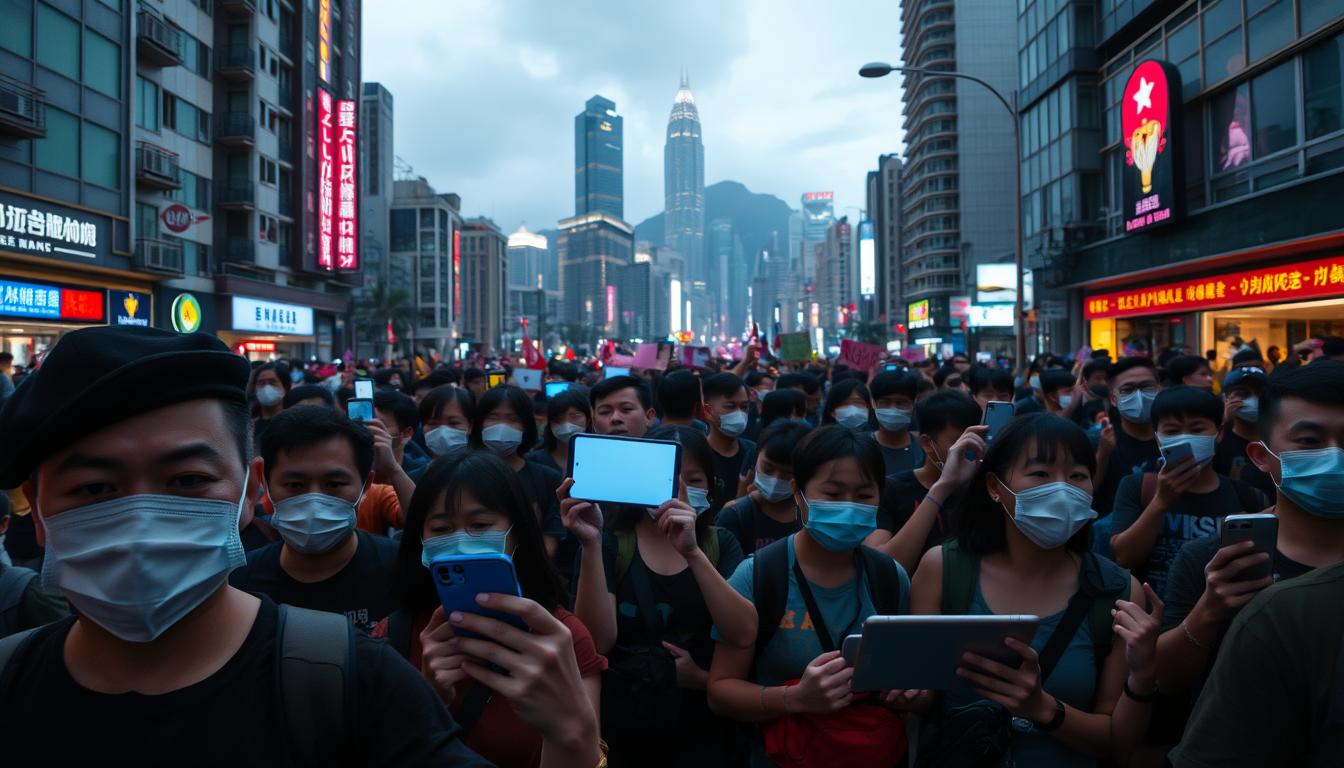
Imagine a sea of protesters in 2014, holding umbrellas and flip phones. Fast forward to 2019, and the streets are alive with encrypted apps. This change wasn’t just about new technology—it was a lesson in digital resistance.
Activists didn’t just march; they coded, crowdsourced, and meme’d their way into history. This was a new kind of protest.
Remember when stadium waves were the biggest show of unity? Today, dissent is like an Olympic relay, with each new innovation passed on. What began as simple chat groups grew into vast, decentralized networks. VPNs became the real heroes of activism.
Now, athletes worldwide are using these tactics. Colin Kaepernick’s kneel is now paired with encrypted Livestreams. WNBA stars coordinate through self-deleting messages. The game has changed, and the scoreboard shows in binary.
We’ll explore how smartphone apps became protest tools, why decentralized networks beat tear gas, and the fusion of slam dunks and encryption. Oppression’s playbook has just been updated.
Background: Technology and the 2019–2024 Hong Kong Protests
Remember when protest tech was just spray-painted banners and zines? Hong Kong’s activists turned dissent into an app-driven art form. By 2019, their tools looked more like Silicon Valley startups than punk rock basements.
Main Tools: Messaging Apps, VPNs, Encrypted Platforms
The protest playbook evolved fast, like a TikTok trend. Let’s look at the three main digital resistance tools:
- Telegram channels were like digital Molotov cocktails. Messages disappeared fast, while groups spread info quickly. Auto-delete timers made chats self-destructing.
- VPNs helped activists dodge China’s Great Firewall like sneaky sneakers. These weren’t just for Netflix – they were complex, like Jason Bourne’s tech.
- Signal groups were super secure, like a Super Bowl stadium. End-to-end encryption made messages secret, and disappearing texts were like whispers in a rugby scrum.
This tech trio created “guerrilla bandwidth” – a network that outsmarted censors. The 2014 Umbrella Movement’s zones became 2019’s decentralized flash mobs, led by encrypted apps.
Activists didn’t create new tools – they repurposed everyday apps. Your grandma’s messaging app became a protest hub. That free VPN? It was the data packet Underground Railroad. It was like using a Fitbit for a bank heist – unexpected, undetectable, and clever.
When Athletes Join: Sports Movements and Digital Protest
Imagine every stadium chant also being a protest hashtag. Today, athletes are not just improving their skills. They’re also learning to use digital tools for change. It’s like watching LeBron James combine sportsmanship with civil disobedience.
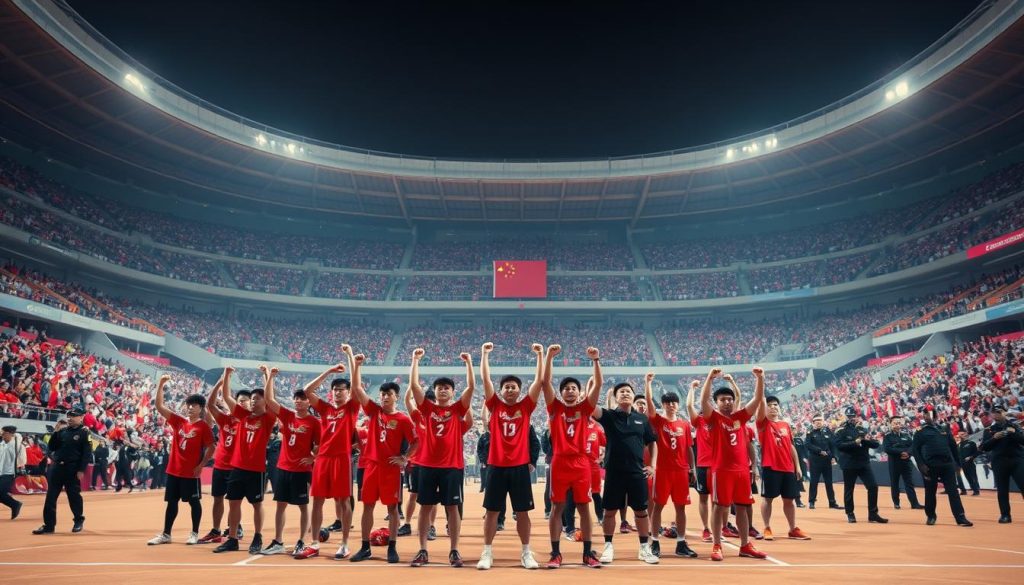
Sports Venues as Activist Hubs: Athlete and Fan Involvement
Colin Kaepernick didn’t just kneel. He changed the media game. By using Twitter and corporate activism playbooks, he turned NFL games into protests. Chinese swimmers took it further, sharing political messages through TikTok videos.
Here are three ways athletes are changing the game:
- Encrypted fan engagement: QR codes on jerseys link to protest resources
- Social media audibles: Using memes to get past content filters
- Corporate shield tactics: Working with brands for legal protection
Stadium Wi-Fi now does more than stream games. It also sends out protest plans. At last year’s Asian Games, fans used their phones to protest during badminton matches. The real action was online.
Chinese basketball star Zhao Rui showed off the new sports protest tools. His “accidental” jersey reveal of a VPN promo during a game got more attention than the game itself. Who needs to win the game when you can win online?
This isn’t just activism. It’s extreme sports for the digital world. Athletes now plan their political moves with the same care as their sports moves. The real win? Using endorsement deals to support social justice.
Government Response: Censorship, Bans, and Innovation Arms Race
The Great Firewall faced a challenge when Hong Kong protesters used stadium Wi-Fi as a digital Hail Mary. Beijing tried to block apps like Telegram and Signal, but it only fueled a tech revolution. This revolution would make Tony Stark impressed.
- First quarter: Authorities blocked mainstream protest apps, thinking they’d won
- Halftime adjustment: Activists built mesh networks using sports venue infrastructure
- Fourth quarter comeback: QR codes on athlete jerseys became encrypted rallying points
Global Lessons: Sports Advocacy’s New Playbook
This digital game isn’t just in Hong Kong. Athletes around the world now use sports protest tools that would’ve amazed Muhammad Ali’s PR team. Here are some key points:
| Government Tactic | Protest Innovation | Sports Adaptation |
|---|---|---|
| App Blocking | Stadium Mesh Networks | Fan-to-Fan Data Sharing |
| VPN Restrictions | Decentralized Platforms | Athlete-Only Chat Channels |
| Surveillance | Ephemeral Content | 24hr Vanishing Protest Videos |
American athletes used locker room routers to create temporary protest hubs. It’s like the Tor network meets the NFL playbook. When authorities blocked one channel, activists quickly moved to new platforms, faster than Tom Brady reading defenses.
The real win? Turning censorship attempts into innovation boosters. Every blocked app became a chance for R&D. This shows dissent doesn’t disappear – it pivots. Now, sports venues are also tech incubators where free speech gets creative under pressure.
The Encryption Relay Race: From Hong Kong Streets to Locker Rooms
Sticky-note murals and basketball sneakers might seem unrelated. Yet, they played key roles in a global tech battle. Activists in Hong Kong used these items to share secret codes with athletes, much like a relay race.
The Lennon Walls, filled with colorful demands, were more than just art. They were crowdsourced blueprints for digital resistance. This idea spread to athletes, who used hashtags to flood social media quickly.
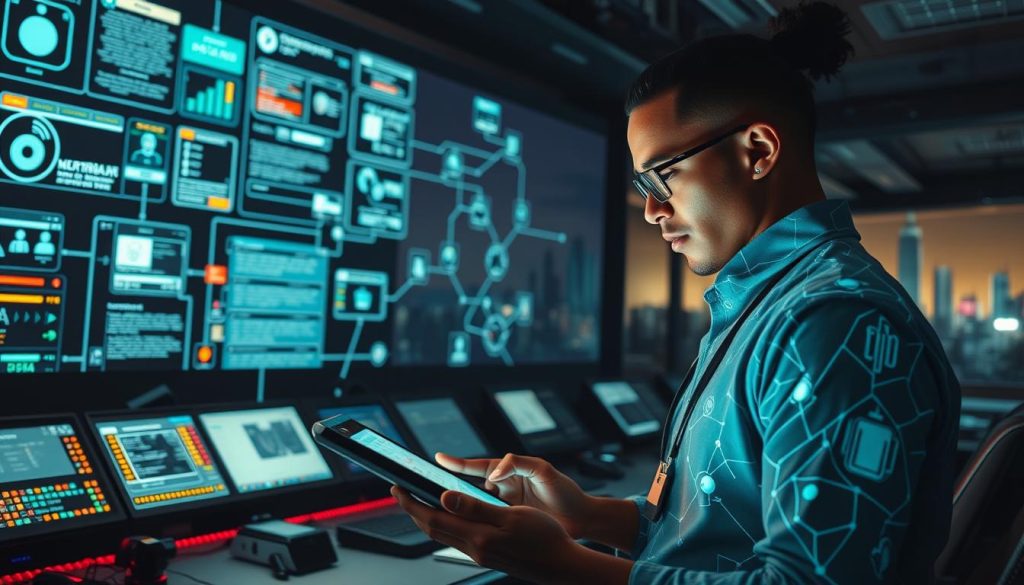
Activists in Hong Kong created a self-deleting chat feature by Tuesday. By Friday, a WNBA star used it for voter registration. This shows a shadow economy of innovation, where tech from protests is used in sports.
Sports brands now fund privacy apps, just like they do athletes. Under Armour’s encrypted forums were inspired by Telegram channels from the 2019 umbrella marches.
Athletes learned from Hong Kong’s tech tactics. When China blocked VPNs, activists used mesh networks. Now, NBA players livestream protests without cellular data, thanks to this tech.
But, there are also mistakes. Like that European soccer team that doxxed protesters through unencrypted chats. The lesson? Digital dissent needs training, just like sports.
Hong Kong’s tech experts now teach sports leagues about secure communication. Imagine Tom Brady learning about firewalls instead of plays.
This mix of tech and sports creates odd alliances. Protest app developers meet at sneaker events. Athletes quote Snowden in interviews. And halftime speeches are now about cybersecurity.
One Olympic gymnast said their warm-up includes VPN setup drills. The big question is: Will this mix lead to lasting change or just hidden dissent? The encryption race has no end. Every blocked app is replaced by three new ones. Every censored hashtag sparks ten more. Welcome to resistance 2.0, where the most valuable player is in the code.
From Hashtags to Headbands: The New Protest Equipment
What’s in today’s athlete’s toolkit? It’s not just Gatorade towels and sweatbands anymore. Now, locker rooms have encrypted chat apps and QR-coded jerseys. Colin Kaepernick’s Nike campaign in 2018 was seen as marketing by some. But it was more than that – it was social media activism in sneakers.
Hong Kong’s protesters showed us how to be creative. They sold burner phones and signal jammers at “protest tech garage sales.” Athletes now hide dissent in their gear. Last season, a WNBA star wore a headband with protest slogans. An NBA rookie’s shoes had scannable QR codes for voting guides. It’s protest as performance art, with cool merchandise.
Nike’s strategy is clear. Their Kaepernick campaign did more than sell shoes. It turned each “Believe in Something” tee into:
- A fashion statement
- A political billboard
- A conversation trigger
- A funding stream for activist orgs
This isn’t just capitalism using dissent. It’s dissent using capitalism. When athletes’ deals fund encrypted apps, sports protest tools become powerful. That $200 jersey? It helps fund digital security for activists.
The real change? Encrypted apps are now part of the game. Players plan walkouts on Signal. Coaches share plans on Bridgefy. Team owners can’t stop what they can’t see – the game plan is hidden in encrypted clouds.
So, when you see an athlete adjust their headband, think twice. That simple move might hide a lot. Today’s sports activism is not just about the game. It’s about the merchandise, encryption, and TikTok.
The Offensive Line: Protecting Digital Dissent in Sports Activism
Sports activism has evolved, much like Hong Kong’s tech strategies in 2019. Athletes now use protest apps to plan their actions, turning fantasy leagues into secret meetings. When China banned 10,570 YouTube channels last year, it showed the power of decentralized networks.
Xiaomi phones outside China send data to Singaporean servers, showing 1,376 banned terms by September 2021. Athletes in China use VPNs, turning jersey sales into funds for digital protection. Protesters use sports influencers to bypass censors quickly.
The key innovation is Hong Kong’s network model. When 26,879 Twitter accounts promoting Chinese state media were shut down, activists moved to fantasy sports apps and livestreams. These platforms hide protest apps, making it hard for censors to catch up.
This isn’t just about avoiding blocks. It’s about creating a digital defense with many parts. Sports stores sell VPNs, and athletes help fund legal battles through jersey NFTs. The playbook changes fast, keeping up with Beijing’s keyword lists.
The game is far from over. Every TikTok video or athlete podcast could become a tool for protest. But as Beijing’s content control grows, the question is: Can digital dissent stay ahead of censors?