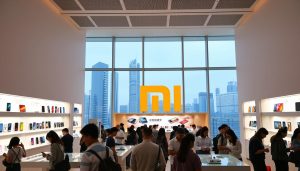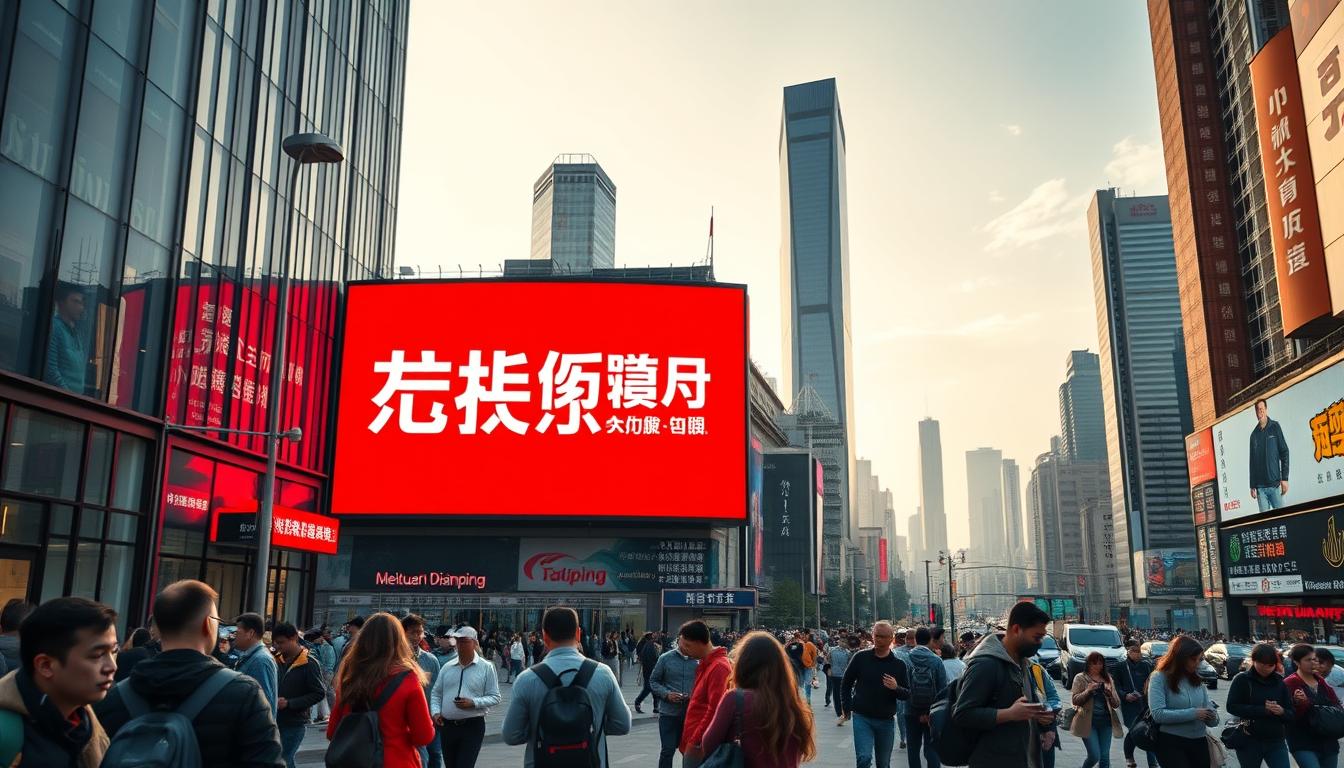
Imagine Amazon Prime Day teaming up with DoorDash and TripAdvisor. Then, add in your pharmacy runs. That’s what you get with Meituan Dianping, China’s ultimate local convenience. It started in 2010 as a Groupon clone during the “Thousand Groupon Wars.” Now, it handles more daily transactions than some small countries.
Founder Wang Xing is known as China’s “Clone King” for his work on Xiaonei, Facebook’s Chinese twin. He mastered O2O marketing. The 2015 merger with Dianping, a top restaurant review site, turned Meituan into a digital hydra. It now offers over 200 services, from hotpot to divorce lawyers.
Today, with 400 million users and a $100B value, Meituan is more than an app. It’s a guide for daily life. Why use seven apps when one can book your movie tickets, dog grooming, and COVID tests? The secret? AI-driven logistics and millions of riders in yellow jacket gear.
Silicon Valley is always chasing the “everything app” dream. But Meituan has already made it a reality, with a side of Peking duck.
One-Stop-Shop Approach
Meituan Dianping didn’t just enter the market; it took over and asked for more. This lifestyle app is like a digital octopus. It covers everything from food delivery to finding a divorce lawyer. Why use many apps when you can have one that does it all?
| Service Category | Pre-Meituan Options | Post-Meituan Reality |
|---|---|---|
| Food & Entertainment | 4 separate apps | 1 tap dinner + movie package |
| Travel & Logistics | 3 different platforms | Seamless hotel-bike-flight combos |
| Life Events | Specialist vendors | Wedding planners who also deliver cake |
The secret is collision marketing. It’s when ordering hotpot ingredients suggests renting a carpet cleaner. Those yellow-jacketed delivery riders? They’re not just bringing food. They’re bringing the whole service world to your doorstep.
Think about a typical Tuesday for a user:
- 11 AM: Office lunch order via group-buy discount
- 3 PM: Hotel booked for weekend getaway
- 7 PM: Borrowed power bank delivered mid-dinner
By sunset, you’ve used six different services without closing the app. It’s a lesson in digital ecosystem lock-in. The real product is the addiction to convenience it creates.
Sports and Activity Booking Features
In America, people wait in line at Ticketmaster for $18 service fees. But in China, Meituan users book badminton courts and hotpot tables together. They even get their Uber while they’re at it. It’s not just about sports tickets. It’s about making life easier with group buying discounts.
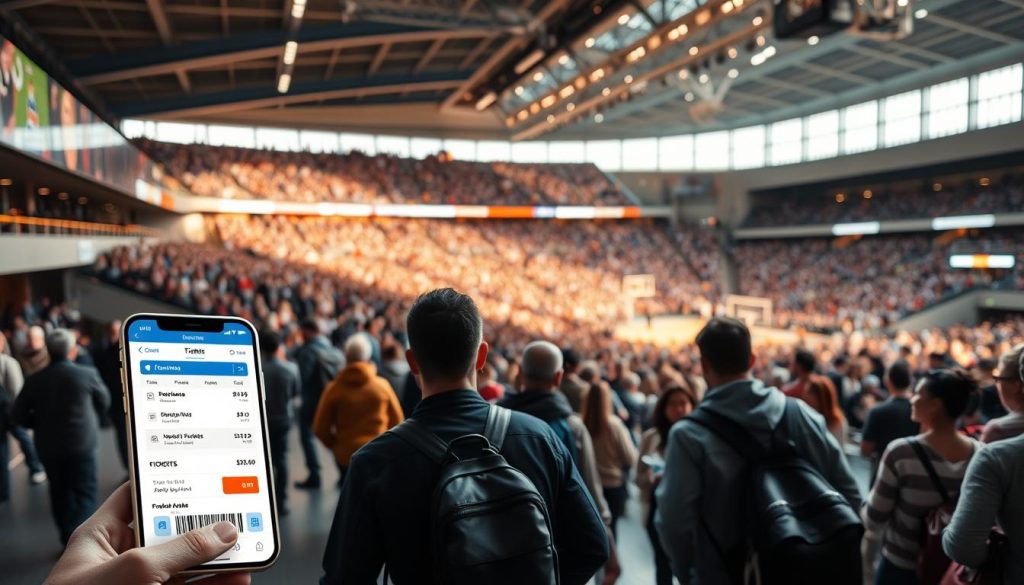
Meituan’s strategy is to make leisure activities easy. They bought Maoyan, China’s Fandango, and Mobike, a bike-sharing service. Now, they handle 30 million orders daily. Their goal? To make every purchase a chance for group buying:
| Feature | Meituan Approach | Traditional Model |
|---|---|---|
| Movie Tickets | Bundle deals with popcorn & parking | Single-ticket sales |
| Bike Rentals | GPS-enabled hourly discounts | Flat daily rates |
| Fitness Classes | Social sharing rewards | Solo bookings |
Buying a movie ticket in the evening? You’ll get offers for desserts with group buying deals. Renting a bike in the morning? You might get discounts for massages. It’s like Amazon’s “Frequently Bought Together” feature, but for tai chi.
Maoyan’s success in movie ticket sales helps fund Meituan’s services. But Mobike’s bike-sharing service is the real game-changer. It turns bike rentals into a doorway to more savings through group buying.
The Urban Consumer Experience
In Shanghai, when it rains, people don’t grab umbrellas. Instead, they open Meituan. The app’s 1.3 million riders use AI-powered routing to deliver food quickly. It’s more than just food delivery—it’s a city-wide operation.
What makes Meituan special? It’s all about obsessive data granularity. Users rate dishes like food critics. Your review of kung pao chicken can change the chef’s recipe and the app’s suggestions.
The numbers show Meituan’s success:
| Feature | Meituan | Competitor Average |
|---|---|---|
| Delivery Time Accuracy | 98.6% | 89.2% |
| Real-Time Queue Updates | Yes (3-min refresh) | 15-min intervals |
| Dish-Level Ratings | 4.7 million daily | Restaurant-level only |
Meituan leads China’s $150B food delivery market with 60%+ market dominance. It uses your data to improve delivery times and menu trends.
Behind the scenes, Meituan makes your life easier. It shows your order’s location in real-time. It even predicts when to order during busy times.
Meituan has grown from a food app to China’s ultimate lifestyle app. It handles everything from movie tickets to bike repairs. It’s not just about convenience—it’s about making city life better.
Platform Growth and Ecosystem
Meituan’s rise is like a Silicon Valley Game of Thrones story. It’s filled with billion-dollar battles and Tencent as a powerful ally. Their $60B IPO was a big statement in China’s O2O marketing world.
Alibaba spent $9.5B on Ele.me to challenge Meituan. But Meituan quickly took over 50%+ of food delivery before Alibaba even had their morning tea.
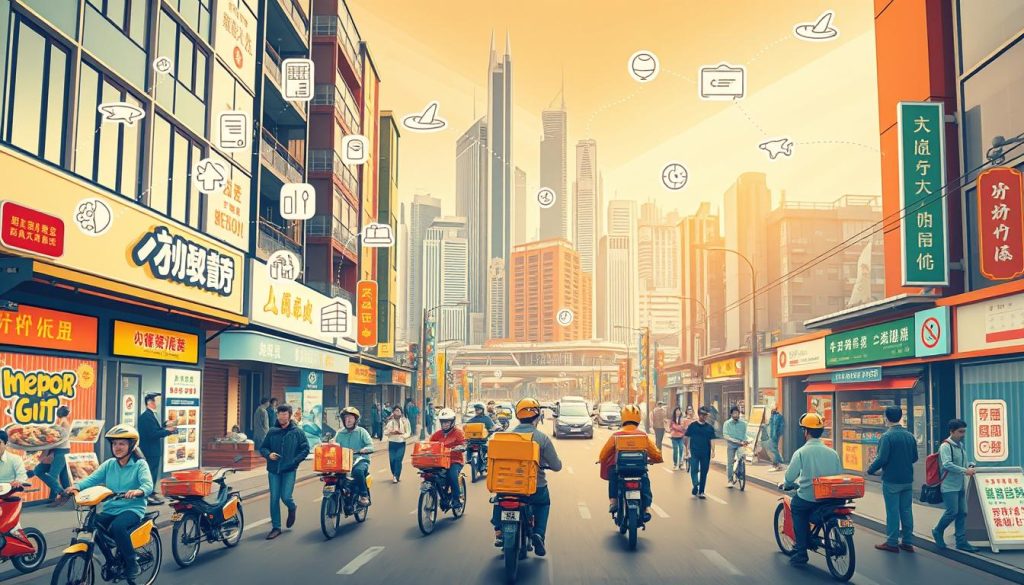
- Group buying that makes lunch orders go viral
- WeChat integration gives 1.3B users instant access (Tencent’s move against Alibaba)
- Data-driven O2O marketing that guesses what you want before you do
The numbers show a harsh reality for competitors:
| Factor | Meituan | Ele.me (Alibaba) |
|---|---|---|
| Food Delivery Market Share | 54% | 30% |
| Core Strategy | O2O Ecosystem Play | Payment Dominance |
| Key Partners | Tencent’s WeChat | Alipay Ecosystem |
| 2023 Revenue Growth | +28% YoY | +9% YoY |
Alibaba didn’t see Meituan’s market strategy of using everyday needs. While others focused on one service, Meituan created a behavioral flywheel. Order dinner, book yoga, schedule car wash, and repeat.
Group buying deals became so addictive they changed how people spend money in cities.
The real smart move? Making 6 million merchants part of its ecosystem. Restaurants and delivery drivers are all connected to Meituan’s system. It’s not just an app; it’s a whole economy that keeps growing.
Global Comparisons
In America, people argue over whether to use DoorDash for tacos or Instacart for toilet paper. In China, Meituan users order hotpot ingredients and book archery lessons. This isn’t just app fragmentation. It’s the power of the superapp.
China’s all-in-one model is a feast for the digital world. It makes Western apps seem like expensive food trucks at a fancy banquet.
| Platform | Specialty | Hidden Costs | Cultural Fit |
|---|---|---|---|
| Meituan | 500+ services (food to funerals) | Your free time | Collectivist efficiency |
| DoorDash | Burrito delivery | $12 “small order fees” | Individualist indulgence |
| Gojek | Rides & beauty services | Monsoon surcharges | Emerging market hustle |
Western superapp attempts often fail. Here’s why:
- Trust issues: Would you trust Uber with your retirement savings? Exactly.
- Regulatory landmines: China’s digital world grew fast, before GDPR could catch up.
- Analysis paralysis: Americans prefer 17 apps for 17 needs. It’s like the Marie Kondo vs. digital hoarder debate.
Rappi’s success in Latin America shows a global trend. Their couriers deliver everything from arepas to antidepressants. It’s like Meituan’s food delivery success in China.
The question is: Can any app become a digital Swiss Army knife? Or will it get as big and bloated as Facebook’s Portal?
These platforms mirror their users’ cultural values. Meituan thrives in a society that values convenience and collectivism. Western apps, on the other hand, suit cultures that debate pineapple on pizza while paying $8 for a $6 slice.
The Road Ahead
Meituan isn’t just about delivering lunch. They’re planning a future where drones might beat your Uber Eats guy to your door. With a $1 billion war chest for ride-hailing and drone trials, a culinary Skynet is on the horizon. But, with antitrust fines and a 46% market share, can they keep leading China’s O2O market?
Meituan’s secret is to think beyond food. Their grocery service moves more bok choy than Apple sells iPhones in China. And with “cloud kitchens” using AI, your favorite dishes might be made without human help. It’s like Amazon Prime for experiences—book activities while your drone-delivered food is on its way.
| Current Moves | Future Bets | Regulatory Hurdles |
|---|---|---|
| Drone delivery trials | AI-powered cloud kitchens | $533M antitrust fine (2021) |
| $1B ride-hailing expansion | Sports ticketing partnerships | Market share caps looming |
| Meituan Grocery growth | O2O marketing ecosystems | Data privacy investigations |
Sports ticketing is Meituan’s secret weapon. They’re not just feeding people; they’re fueling their passions too. This move turns every meal order into a chance to book activities—12% of users now book fitness classes through food delivery promos.
The real challenge is the regulatory landscape. China’s crackdown has already hit Meituan with a $533 million fine. Can they balance drone growth with Beijing’s rules? One thing’s for sure: In China’s app wars, even veggie sales are key.
Conclusion
Meituan Dianping’s 320 million users don’t just use a lifestyle app. They enter a world where food arrives before they even decide. This superapp knows your late-night cravings and your sudden urge for archery lessons.
While Western apps ask simple questions, Meituan’s 4 million merchants offer solutions you didn’t know you needed. They make choices easier for you.
The magic of Meituan lies in its seamless connections. You can order hot pot and then book karaoke, all while earning points for movie tickets or yoga. This shows how innovation can help us recover from tough times.
Western tech giants focus on building bigger silos. But Meituan creates a network where everything connects. Ride-sharing leads to restaurant deals, which then offer travel packages.
Meituan’s app doesn’t just sell more; it creates a sticky experience. This turns first-time users into daily users. It’s a different approach to app design.
When your phone buzzes with food delivery notifications, think: does this app want my business, or my lifestyle? Meituan Dianping has made this line blur until it’s gone. It has changed how we live in cities.
The future of convenience isn’t about single apps doing more. It’s about one app becoming the system for city life. Just remember, you can book that escape room through a food app.