Beijing-based JA Solar is building a new plant in the US in another win for the Biden administration as its incentive-laden climate law continues to attract big foreign investments.
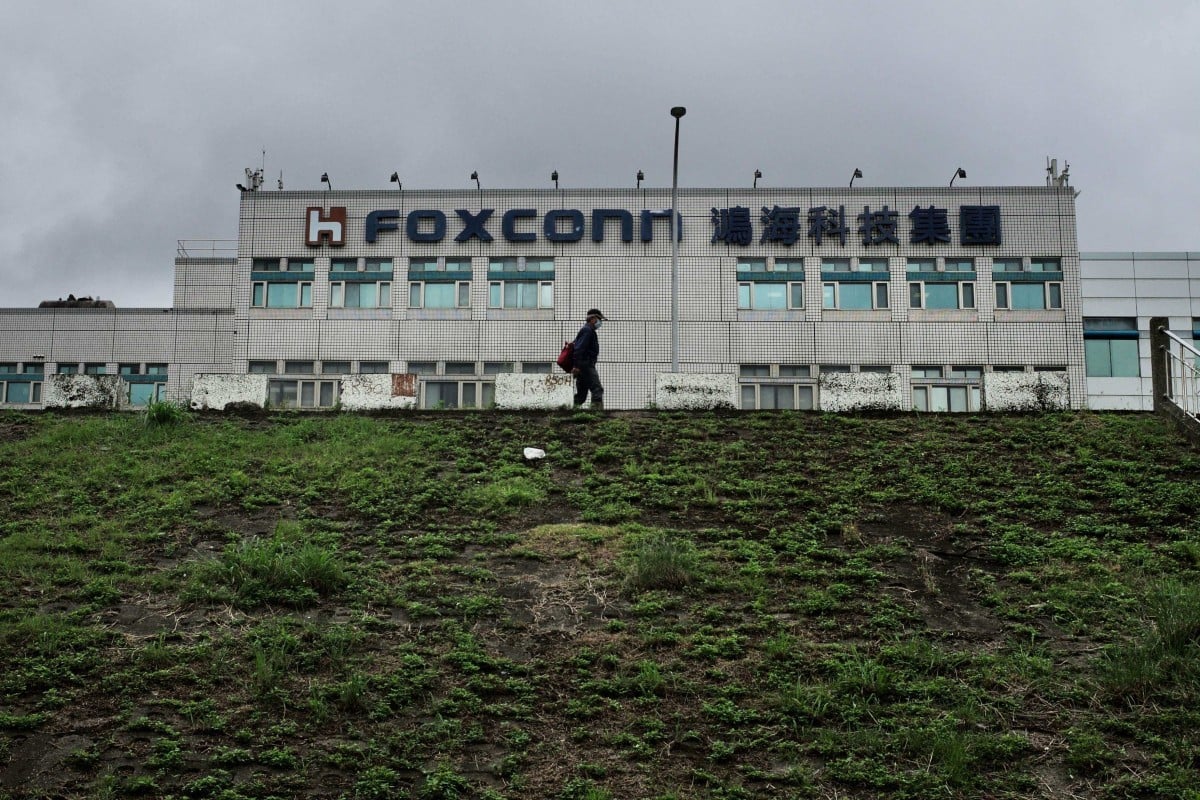
Foxconn is offering workers who fled its Zhengzhou compound a subsidy of US$70 to return to work as the world’s largest iPhone factory tries to limit fallout from a Covid-19 lockdown.
Apple has broken its silence on the Covid-19 chaos at the Foxconn plant in Zhengzhou, saying production and holiday shipments of the iPhone 14 Pro and Pro Max lines will be affected.
Carrat is a piece of wearable tech in the form of a stylish bracelet with a connected mobile app, which alerts emergency contacts once activated.
Temu has become the most-downloaded shopping app in the US this month as it aims to compete in cheap fast-fashion, but higher costs in the competitive consumer market could prove challenging.
While Chinese state media reports have painted a rosy picture inside Foxconn’s Zhengzhou factory, workers say the situation remains subpar.
The recent exodus of workers from the world’s largest iPhone factory in China signals the increased demand for Apple’s suppliers to shift more manufacturing to markets like Vietnam and India.
Foxconn’s move to increase cash incentives comes after thousands of panicked workers fled from its Covid-19-hit iPhone factory in the central Chinese city.
The absence of new approvals comes after the government issued more than 300 licences between April and September.
An unknown number of workers have fled the iPhone production plant run by Foxconn Technology Group in Zhengzhou as Covid-19 cases flare.
Move comes after city authorities sent task force over viral social media clips showing workers walking back to their hometowns.
Analysts say that Chinese chip companies still lag far behind Nvidia, which has a near monopoly on GPUs used to train AI models.
The expanded leave offerings will bring ByteDance’s policy more in line with those of global peers, which often provide more generous employee benefits.
Beijing-based 360 Security Technology is cutting staff and selling overseas investments as part of a consolidation plan, which includes a new focus on digital security amid increasing threats from cyberattacks.
Tencent finally elaborates on the meaning of ‘immersive convergence’, two years after founder Pony Ma Huateng called it the future of the internet.
This is the first time that Facebook has taken down Chinese-based accounts for foreign interference and engagement in US politics.
Sexism in gaming is common worldwide but more openly tolerated in China, where feminism is silenced and stigmatised.
Realme is the budget-conscious sibling of Oppo and OnePlus that’s winning over millions of fans across India and Southeast Asia.
Deregulation in 2014 brought sports to streaming services, permanently changing the industry.